

Nepal’s Annapurna Base Camp (ABC) trek is one of the most popular Himalayan treks in the world, offering breathtaking views, rich cultural experiences, and immersive encounters with nature. Located in the Annapurna region, this trek takes you through traditional villages, lush forests, alpine meadows, and the heart of the Annapurna Sanctuary, surrounded by towering Himalayan peaks like Annapurna South, Machhapuchhre, and Hiunchuli. Whether you are a first-time trekker or an experienced hiker, the ABC trek offers an unforgettable combination of adventure, culture, and natural beauty.
Trek Overview
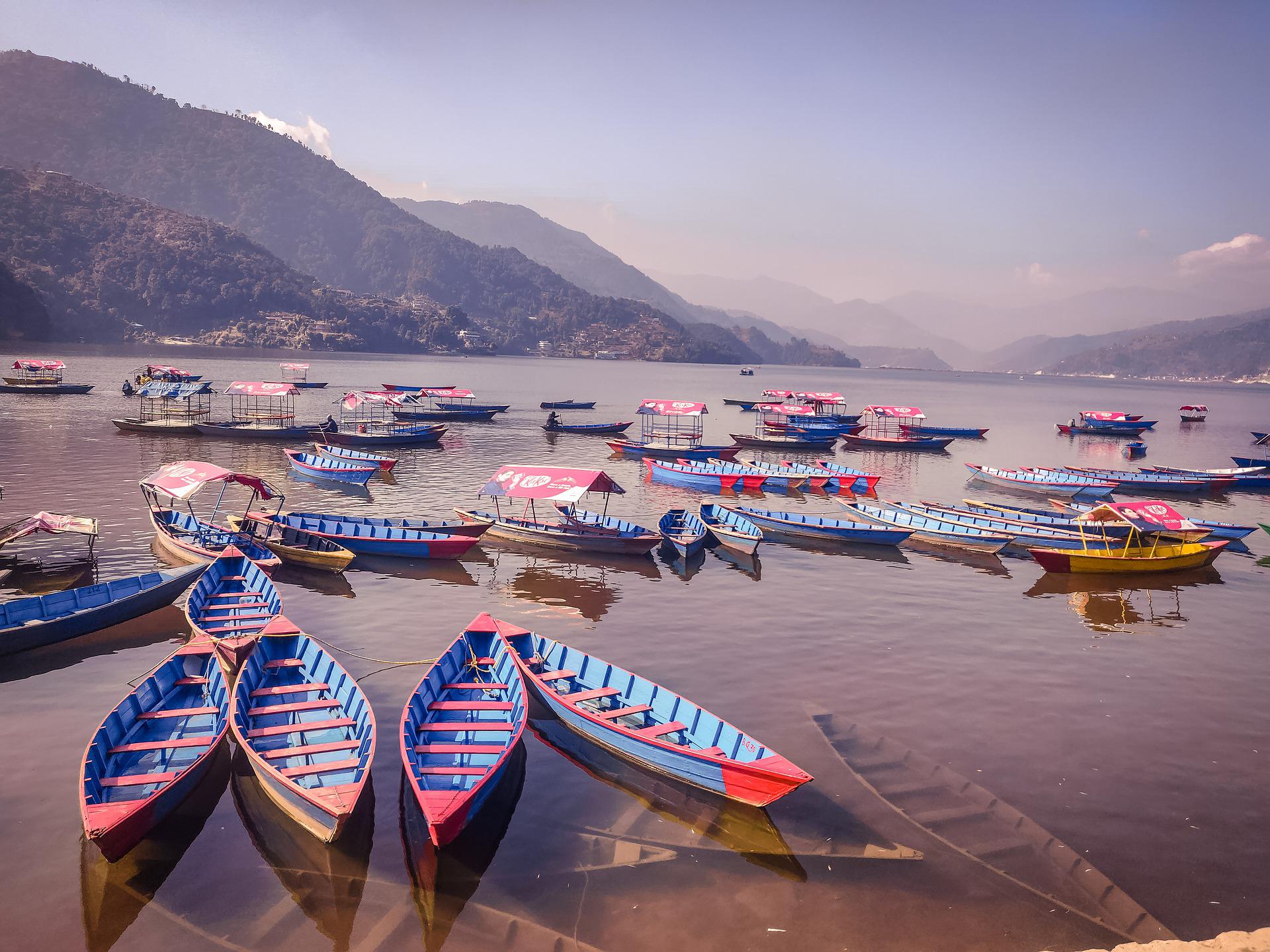
Nepal – Where adventure never ends. Begin an extraordinary 12-day Annapurna Base Camp trek with your arrival in Kathmandu, the cultural and spiritual heart of Nepal. This vibrant city, with its centuries-old temples, intricate architecture, and bustling squares, provides a captivating introduction to Nepal’s rich heritage. As you prepare for your Himalayan adventure, experience the seamless blend of tradition and modernity, from historic courtyards to lively markets, setting the perfect stage for a journey that combines adventure, culture, and natural beauty. From here, the journey continues with a scenic drive toward Pokhara, the serene lakeside city, enhanced by an exhilarating Trisuli River rafting experience, offering both thrill and a glimpse of Nepal’s lush river valleys and forested landscapes.
The trek begins with a scenic drive to Ghandruk, followed by trekking through terraced villages, lush forests, and bamboo groves to Chhomrong. As you progress through Dovan and Machhapuchhre Base Camp, alpine meadows, rhododendron forests, and rocky trails lead you deeper into the Annapurna Sanctuary, gradually revealing the iconic Himalayan peaks, including Annapurna South, Hiunchuli, and Machhapuchhre. Wildlife sightings, tranquil forest trails, and mountain vistas make each day an immersive experience in Nepal’s natural beauty.
The pinnacle of the adventure is reaching Annapurna Base Camp (4,130 m / 13,549 ft), renowned worldwide for its 360-degree panoramic views of towering Himalayan peaks and glacial landscapes. The Base Camp offers an unforgettable experience of serenity, achievement, and spectacular sunrise and sunset vistas, making it one of the most famous trekking destinations globally.
On the return journey, trekkers descend through Bamboo and enjoy a Hot spring experience in Jhinu Danda, a perfect way to relax tired muscles while surrounded by the natural beauty of rivers and forest. The trail continues through traditional villages and forested paths to Pothana and Kande, concluding with a scenic flight from Pokhara to Kathmandu by Yeti Airlines, offering breathtaking aerial views of the Himalayas. Comfortable lodges along the route provide all meals, ensuring a safe, restful, and fully immersive Himalayan experience that blends adventure, culture, and nature.
Best Season to Trek
The ideal times to undertake the ABC trek are spring (March to May) and autumn (September to November). These months offer clear skies, moderate temperatures, and vibrant landscapes, especially the rhododendron blooms in spring. Winter (December to February) can be extremely cold, with snow on higher trails, while monsoon season (June to August) brings heavy rain and slippery paths, which can be challenging and risky.
Difficulty Level
The ABC trek is considered moderate difficulty. While no technical climbing skills are required, trekkers should have a good level of fitness due to uphill climbs, long walking hours, and high-altitude conditions. Altitude sickness is possible above 3,000 m, so proper acclimatization and pacing are important.
Permits and Fees
- To trek in the Annapurna region, you need the following permits:
- Annapurna Conservation Area Permit (ACAP): Around USD 30 for foreigners.
- Trekkers’ Information Management System (TIMS) card: Around USD 10–20.
- These permits help preserve the region and ensure trekkers’ safety.
Accommodation and Meals
Along the ABC trail, accommodations are mostly teahouses and lodges, offering basic but comfortable rooms with attached or shared bathrooms. Meals typically include local Nepali dishes, such as dal bhat (lentil soup with rice), noodles, soups, and occasional western options like pasta or omelets. Hot drinks and snacks are widely available, though prices increase at higher altitudes.
Packing and Gear Recommendations
- Essential items for the ABC trek include:
- Warm clothing and layers (jackets, fleeces, thermal wear)
- Trekking boots and socks
- Sleeping bag (preferably rated for -10°C to -15°C)
- Trekking poles for stability
- Rain jacket and waterproof gear
- Sunglasses, sunscreen, and hat
- Water bottles and purification tablets
Health and Safety Tips
Stay hydrated and follow proper acclimatization schedules.
Listen to your body for symptoms of altitude sickness.
Trek with a reliable guide or organized tour operator, especially if it’s your first Himalayan trek.
Carry a basic first aid kit and any personal medications.
Respect local culture and traditions; dress modestly when visiting villages.
Wildlife and Nature
The Annapurna region is rich in biodiversity. Trekkers may spot Himalayan monals, langurs, pheasants, and various bird species, while forests of bamboo, rhododendron, and pine provide a peaceful trekking environment. Alpine meadows near Machhapuchhre Base Camp are home to wildflowers and small Himalayan animals, creating an immersive experience of Nepal’s natural beauty.
Unique Experiences
- Sunrise at Annapurna Base Camp: The panoramic view of surrounding peaks bathed in golden sunlight is truly unforgettable.
- Jhinu Danda Hot Springs: A relaxing stop on the return trek where trekkers can soothe tired muscles in natural thermal pools.
- Cultural Encounters: Villages like Ghandruk and Chhomrong allow trekkers to experience Gurung culture, traditional houses, and warm hospitality.
Travel Tips
- Start your trek from Pokhara for convenient access and pre-trek preparation.
- Carry cash in small denominations, as ATMs are limited along the trail.
- Keep your travel insurance updated and ensure it covers high-altitude trekking.
- Mobile coverage is limited; some teahouses provide Wi-Fi for a fee.
Why Annapurna Base Camp Trek is Worth It
The ABC trek combines adventure, culture, and nature in one unforgettable journey. From terraced villages and forest trails to alpine landscapes and the awe-inspiring Annapurna Sanctuary, each day brings new experiences. Whether it’s soaking in hot springs, enjoying local meals, or capturing the perfect Himalayan sunrise, this trek leaves a lasting impression on the mind and soul.
FAQs
1. How fit do I need to be for the ABC trek?
Moderate fitness is sufficient. Regular walking, cardio exercises, and stair climbing before the trek are recommended.
2. Is altitude sickness a concern?
Yes, but proper acclimatization and a gradual ascent reduce risks. Stay hydrated and monitor symptoms.
3. Do I need a guide?
While experienced trekkers may go independently, a guide ensures safety, local knowledge, and cultural insights.
4. Can I trek independently?
Yes, but organized tours are safer, provide permits, accommodation bookings, and emergency support.
5. What is the cost range for the trek?
Costs vary depending on whether you trek independently or with a package. Guided tours typically range from USD 800 to 1,500 per person, including accommodation, meals, guide, porter, and permits.
6. What is the weather like?
Spring and autumn offer clear skies and pleasant temperatures. Summers bring rain, and winters are cold with snow at higher elevations.
7. How should I prepare for the trek?
Train for endurance and strength, carry appropriate gear, and mentally prepare for high-altitude trekking.
8. Are there medical facilities along the trail?
Basic medical help is available at some lodges, but serious emergencies require evacuation to Pokhara or Kathmandu.
9. How can I transfer to Pokhara?
You can reach Pokhara from Kathmandu by 6–7 hour road drive via tourist bus or private vehicle, or take a 25–30 minute domestic flight offering stunning Himalayan views. Private vehicles allow flexible stops, while flights save time but may face weather delays.