
Introduction to Gokyo Peak Trekking
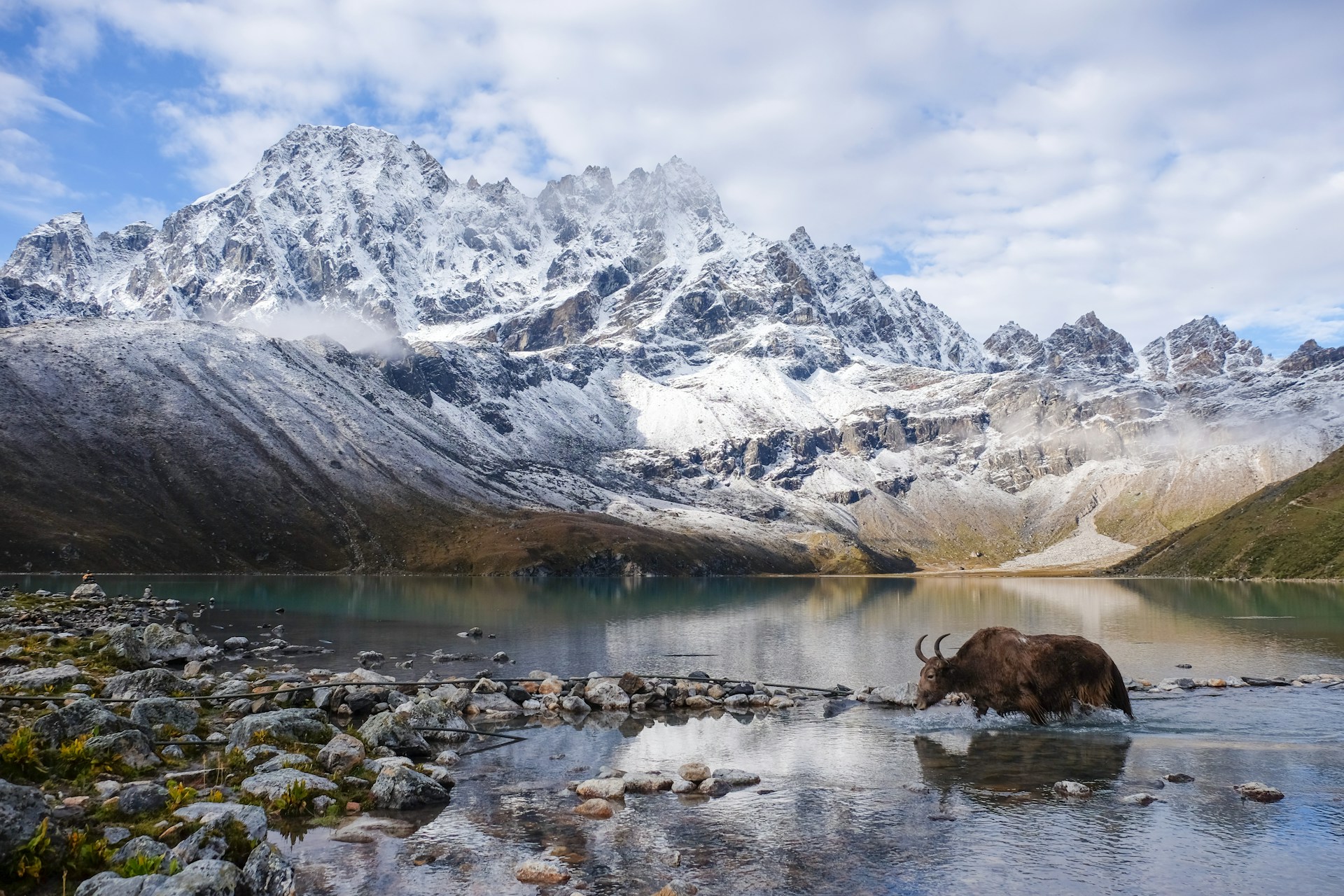
The Gokyo Peak Trekking is one of the most beautiful mountain adventures in Nepal. It lies in the well-known Khumbu area, which is near Mount Everest, the tallest mountain in the world. People love this journey because of its beautiful blue lakes, high mountain views, and quiet paths.
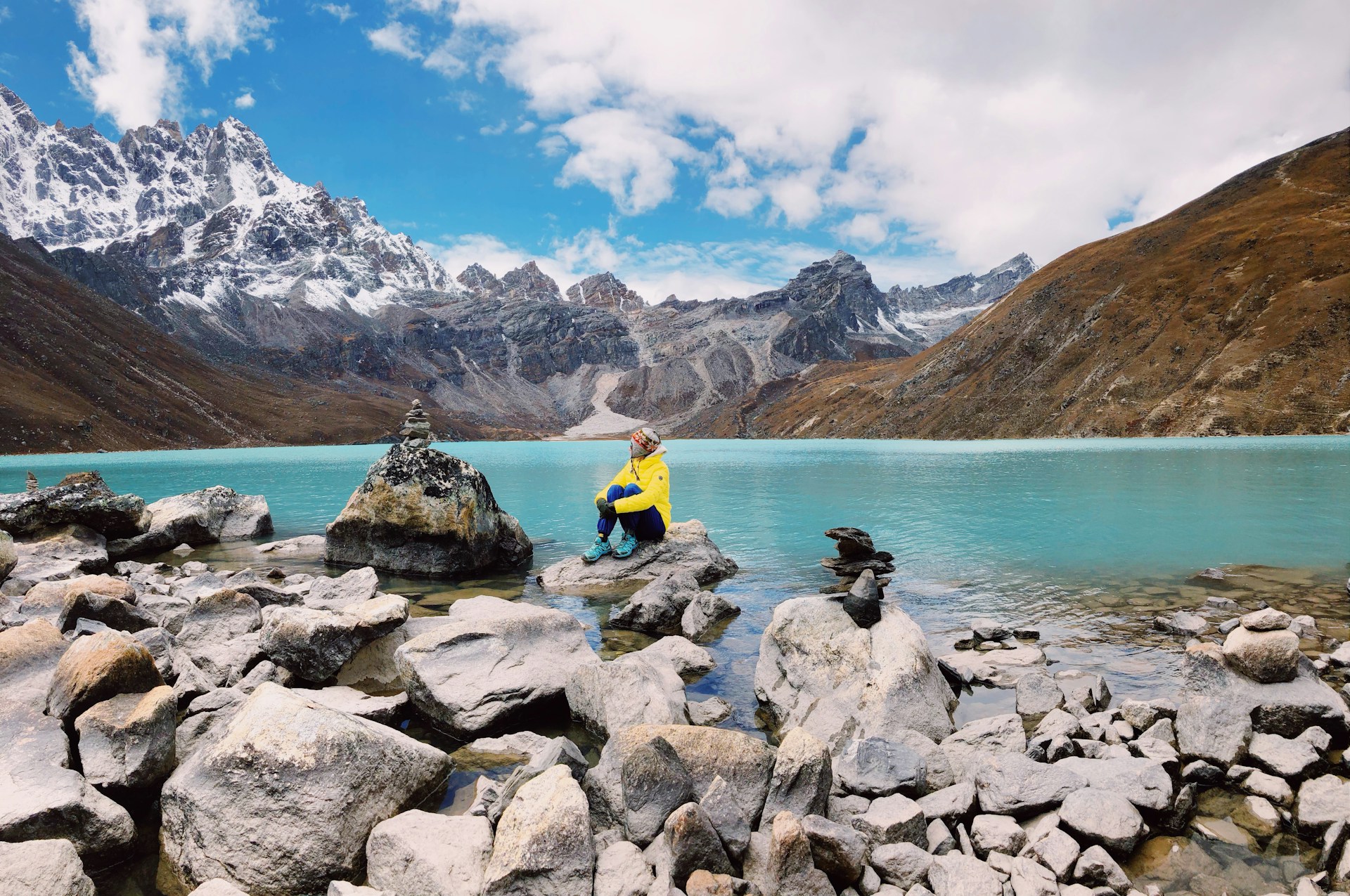
During the trek, travelers walk through valleys, glaciers, and small Sherpa villages. One of the main highlights is reaching the Gokyo lakes area, where you can see amazing views of snowy peaks and large lakes. Many people also enjoy the gokyo ri trek, which offers one of the best viewpoints in the Everest region trekking routes.
This trek is part of popular Everest region trekking journeys and is loved by people who enjoy nature and adventure. It is also a great example of high altitude trekking Nepal, where you can experience both beauty and challenge at the same time.
The journey is not only about walking but also about enjoying fresh mountain air and quiet surroundings.
Where Is Gokyo Peak Located?
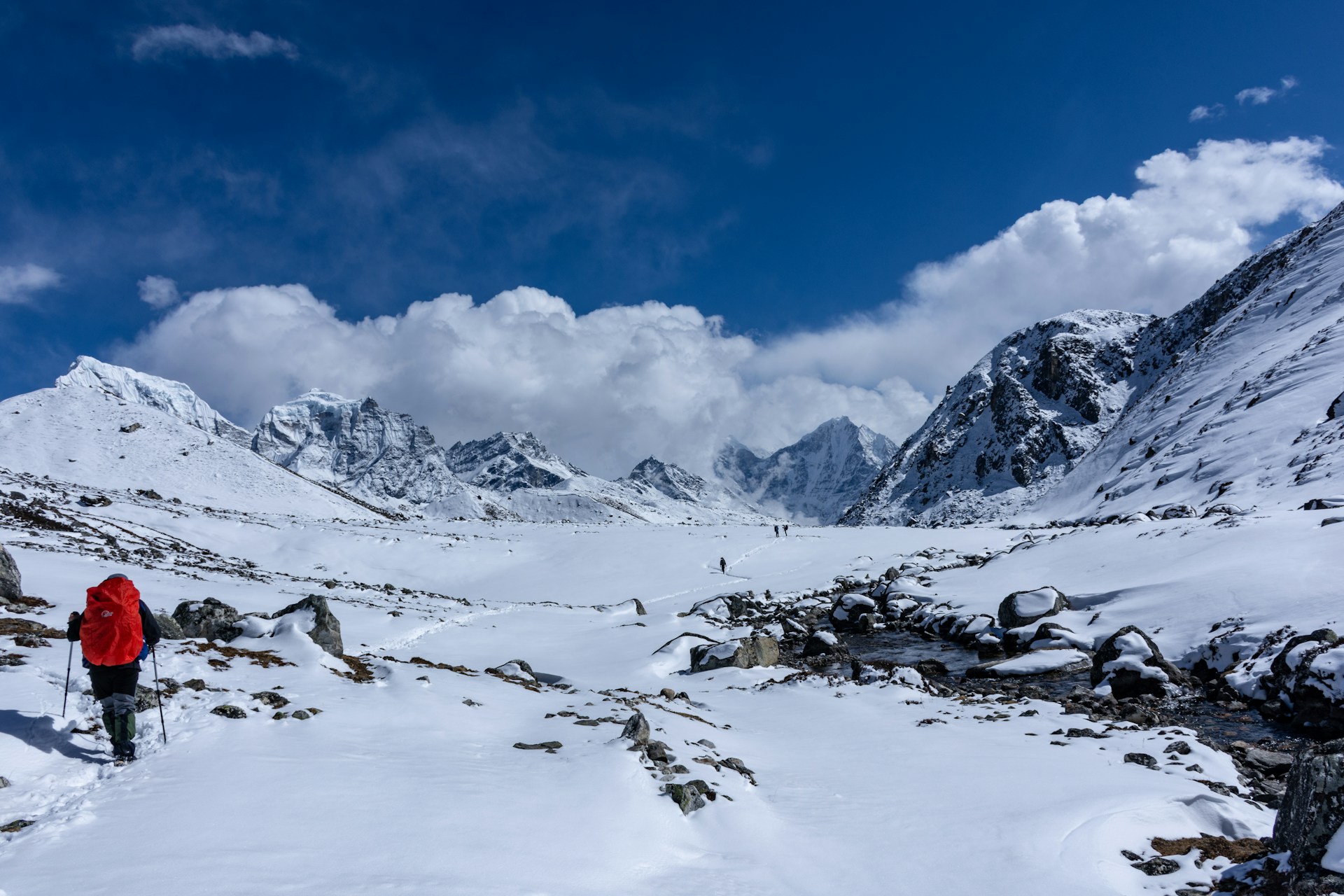
Gokyo Peak Trekking is located in the northeastern part of Nepal, inside the famous Everest region. Sagarmatha National Park is a protected area that is famous for its magnificent scenery, steep mountains, and glaciers.
The trek takes place in the Khumbu region, which is home to some of the highest peaks in the world, including Mount Everest. The Gokyo area, which has a set of high-altitude lakes and a viewpoint called Gokyo Ri, is the best part of this trip.
Location Details:
- Country: Nepal
- Region: Khumbu (Everest region trekking area)
- Protected Area: Sagarmatha National Park
- Nearest starting point: Lukla (after a flight from Kathmandu)
- Main destination: Gokyo Lakes and Gokyo Ri viewpoint
The area is part of the well-known Everest view trek Nepal routes, offering wide mountain views, glaciers, and deep valleys. The Gokyo Peak Trekking trail is less busy than the major Everest Base Camp route, which makes it a good choice for anyone who wants to trek peacefully.
From the top of Gokyo Ri, visitors can see several major peaks, including Everest, Lhotse, Makalu, and Cho Oyu on clear days. This makes the location one of the most scenic viewpoints in the Himalayas.
Why Choose Gokyo Peak Trekking
The Gokyo Peak Trekking is one of the most rewarding journeys in the Everest region. It has the perfect balance of adventure, nature, and quiet mountain life. This route is less busy than other Everest trails, yet it still has amazing vistas, which is why many trekkers pick it.
1. Stunning Mountain Views
- From Gokyo Ri, you can see Mount Everest, Lhotse, Makalu, and Cho Oyu
- One of the best viewpoints in the Everest region trekking routes
2. Beautiful Gokyo Lakes
- A series of six turquoise lakes in a high valley
- Located in Sagarmatha National Park
- A calm and pleasant place for hikers
3. Less Crowded Trails
- Quieter than the Everest Base Camp route
- More space to enjoy nature and photography
4. Unique High-Altitude Experience
- An excellent example of trekking in Nepal at a high altitude
- Includes treks on glaciers and large open spaces
5. Cultural Encounters
- Go through traditional Sherpa villages
- Find out about the way people live in the area and the culture of the mountains.
6. Alternative to Everest Base Camp
- Perfect for those who want Everest views without heavy crowds
- Offers similar scenery with a different experience
The Gokyo Peak Trekking is ideal for trekkers who want adventure, beauty, and peace in one journey.
Best Time to Visit Gokyo Peak
The Gokyo Peak Trekking route is best enjoyed during seasons when the weather is clear and the mountain views are sharp. Choosing the right seasons helps make your journey safer, easier, and more beautiful.
Spring (March to May)
- One of the greatest times to go trekking
- Stable weather and mild temperatures
- Flowers in bloom along the paths
- Clear views of the Everest region trekking landscapes
Autumn (September to November)
- The most popular time for trekking
- Clear sky and dry weather
- Gokyo Ri has great views.
- Comfortable walking conditions
Winter (December to February)
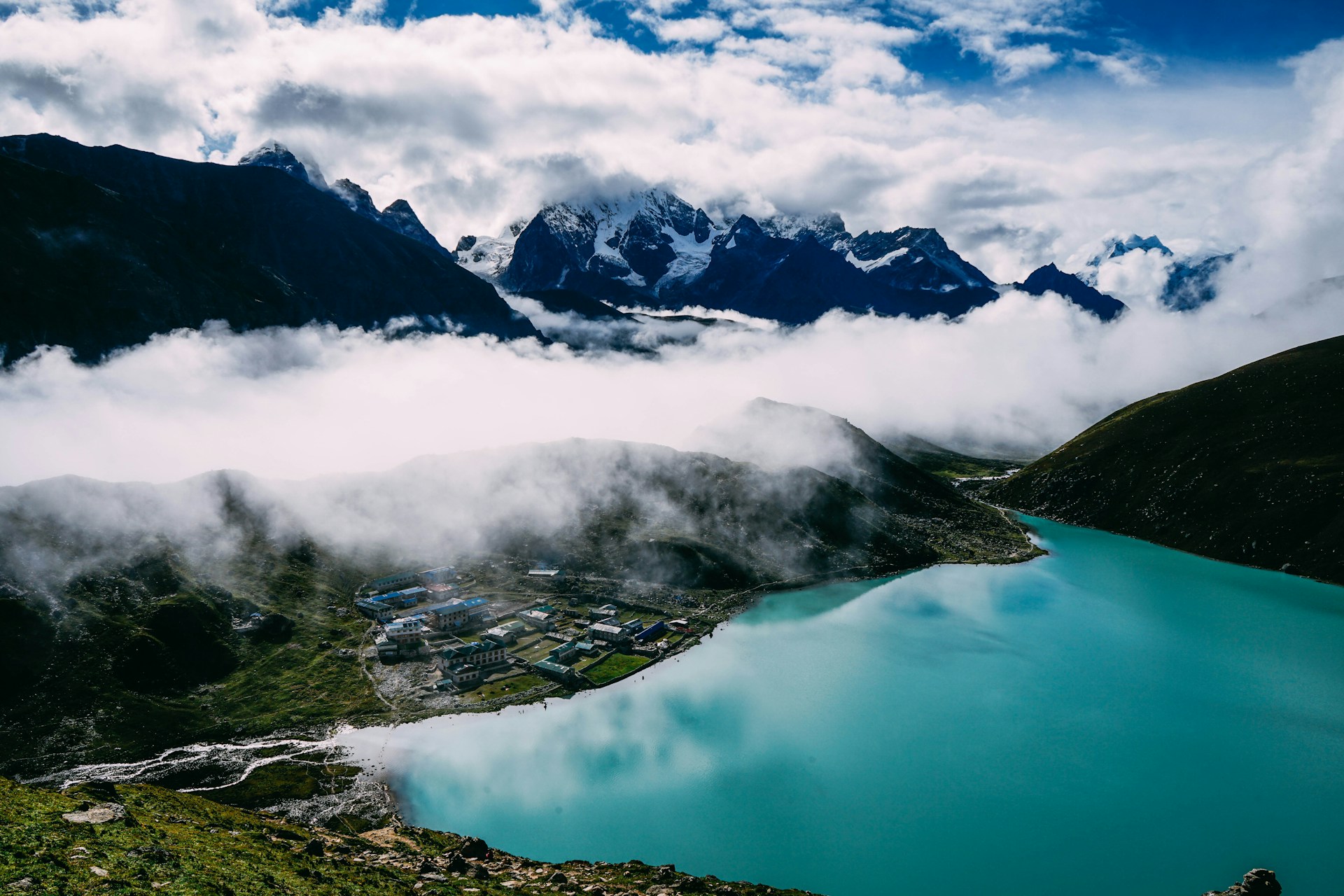
- Very cold with a lot of snow at high altitudes
- Trails could be icy and hard to walk on.
- Less people trekking, which makes for a peaceful experience
- Requires strong preparation and warm gear
Monsoon (June to August)
- A lot of rain and overcast clouds
- Trails that are slippery and views of the mountains that are hard to see
- Not the best choice for most hikers
Best Choice
- Spring and autumn are the safest and most rewarding
- Perfect mix of clear weather, good visibility, and comfort
Overall, the Gokyo Peak Nepal experience is at its best when skies are clear and trails are dry, making spring and autumn the ideal seasons to visit.
Off-Season Trekking Insights
The Gokyo Peak Trekking route in the Everest region is usually visited in spring and autumn, but some trekkers also explore it in the off-season. Off-season trekking means going in the winter (December to February) or the monsoon (June to August) when there aren't as many people around.
Winter Season (December to February)
- Very cold temperatures, especially near Gokyo Ri
- Trails and lakes may be covered with a lot of snow.
- On some days, the skies are clear, which makes for beautiful vistas of the mountains.
- Needs warm clothes and good planning
Monsoon Season (June to August)
- Frequent rain makes trails wet and slippery
- Clouds often block views of the Everest region trekking landscape
- Green hills and waterfalls are at their most beautiful
- Leeches can be found in the lower parts of forests.
Advantages of Off-Season Trekking
- Very few trekkers on the trail
- Peaceful and quiet environment
- Better chances to enjoy solitude in nature
Challenges to Consider
- Weather can be unpredictable
- Some lodges might not be open in the winter.
- Heavy rain or snow may cause delays on flights and trails.
Off-season Gokyo Peak Trekking is best for experienced trekkers who are prepared for tough conditions and want a quiet Himalayan adventure.
Trek Difficulty and Altitude Challenges
The Gokyo Peak Trekking is considered a moderate to challenging trek because of its high altitude, long walking days, and changing weather. It doesn't involve a lot of technical skill, but you do need to be in good shape and ready.
Altitude Overview
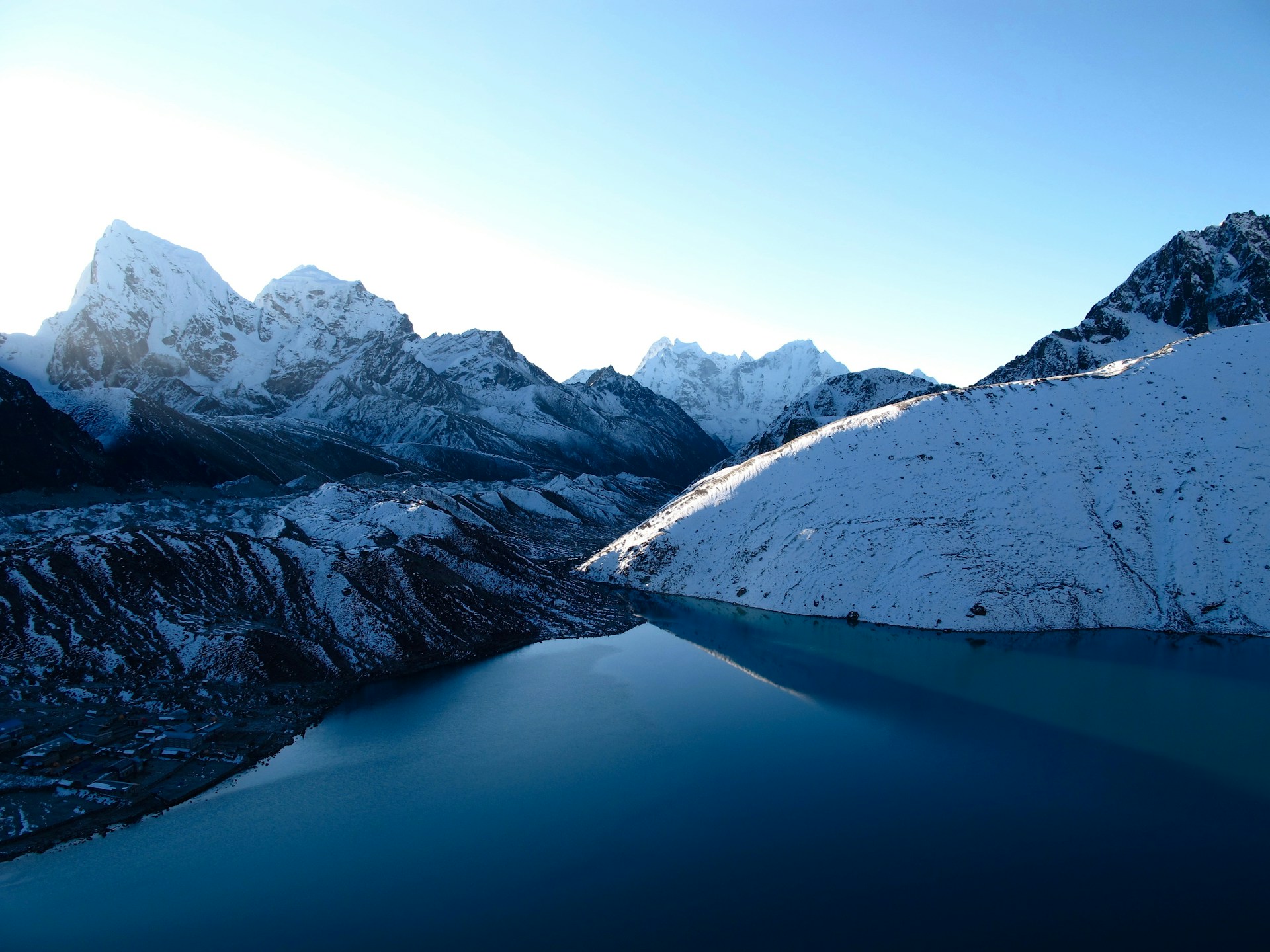
- The highest point is Gokyo Ri at about 5,357 meters (17,575 feet)
- The surrounding Gokyo Lakes sit at around 4,700–5,000 meters
- The trek begins at Lukla, which is about 2,800 meters above sea level.
Main Difficulty Factors
- Long walking hours (5–7 hours daily)
- Steep uphill climbs, especially before Gokyo Ri
- Trails that are rocky and sometimes icy
- Thin air at high altitudes makes you less able to keep going.
Altitude Challenges
- Some trekkers may feel headache, dizziness, or tiredness
- It's really vital to become used to the new environment.
- Walking slowly helps the body get used to low oxygen levels.
How to Manage Difficulty
- Take rest days in key locations like Namche and Gokyo Valley
- Drink plenty of water and avoid rushing
- Instead of climbing quickly, keep a steady pace.
- Eat well and sleep properly
Overall Experience
- Physically demanding but very rewarding
- Suitable for trekkers with basic hiking experience
- Offers one of the best Everest region trekking viewpoints
The Gokyo Peak Trekking challenges your body but rewards you with unforgettable Himalayan scenery and a true sense of achievement.
Tips for Trekking in Different Seasons
The Gokyo Peak Trekking route changes a lot with the seasons. Weather, trail conditions, and safety can be very different in spring, autumn, winter, and monsoon. Knowing how to prepare helps you enjoy the trek safely and comfortably.
Spring Season (March to May)
- One of the best times for Gokyo Peak Trekking
- Rhododendrons are in flower along the trails.
- Days are warm, but mornings and evenings are still chilly.
- Bring light layers for walking and warm garments for the evening.
- Start early each day for clear mountain views
Autumn Season (September to November)
- The most popular and stable time to go trekking
- When the sky is clear, you can see the spectacular trekking scenery in the Everest region.
- The weather is dry, however it can get cold at night at high altitudes.
- Book tea houses early as trails are busy
- Perfect time for photography from Gokyo Ri
Winter Season (December to February)
- Very cold with heavy snow in high areas
- The trails near Gokyo Lakes could be frozen or blocked.
- There are fewer hikers, so it's fairly quiet.
- Needs warm winter clothes such an insulated jacket, gloves, and boots
- Shorter trekking days due to cold and snow
Monsoon Season (June to August)
- Heavy rain in lower regions
- Trails can be muddy and slippery.
- Clouds typically block your view of the mountains.
- Bring clothes that dry quickly, coats, and covers that keep you dry.
- Extra caution needed for landslide-prone areas
General Seasonal Tips
- Always check Gokyo Peak weather before starting
- Pack layers, as temperatures change quickly with altitude
- Drink plenty of water in all seasons
- Walk slowly to adjust to high altitude trekking Nepal conditions
- Keep buffer days for weather delays
Final Advice
Each season offers a different experience. Spring and autumn are best for clear views and comfort, while winter and monsoon are for experienced trekkers seeking solitude and challenge. Proper planning ensures a safe and unforgettable Gokyo Peak Trekking adventure.
Conclusion – When Should You Trek Gokyo Peak?
The best time for Gokyo Peak Trekking depends on what kind of experience you want, but most trekkers agree that spring (March to May) and autumn (September to November) are the ideal seasons. These months offer the clearest skies, safest trails, and the most beautiful mountain views in the Everest region trekking area.
In spring, the trails are colorful with blooming flowers, and the weather is mild for long walking days. After the monsoon, the air is fresh and dry in the autumn. This is the best time to enjoy the expansive vistas from Gokyo Ri and the valleys around it.
Winter and monsoon seasons are still possible for experienced trekkers, but they come with challenges like snow, cold temperatures, rain, and limited visibility. These conditions require more preparation and flexibility.
Overall, the Gokyo Peak Trekking journey is most enjoyable when the weather is stable and the skies are clear. This allows you to fully experience the beauty of the lakes, mountains, and peaceful trails.