


 Overviews
 Trip Overview
The Guru Rinpoche Tibet Pilgrimage Tour is a spiritual and cultural journey through important Buddhist places in central Tibet. Following the route Kathmandu – Lhasa – Tsedang – Samye – Lhasa – Ganden – Tidrum – Lhasa – Kathmandu, it combines sacred monasteries, historic landscapes and Tibetan traditions. It is designed for travellers wishing to explore places associated with Guru Rinpoche, also known as Padmasambhava, and discover Tibet’s religious heritage.
Your journey begins with a flight from Kathmandu to Lhasa, crossing the Himalayas and arriving on the Tibetan plateau. Lhasa stands at approximately 3,650 metres, so the first days follow a gentle pace to support acclimatisation. You have time to rest and become accustomed to the altitude before sightseeing. Prayer flags, incense, pilgrims and monasteries introduce you to the spiritual heart of Tibet. Your guide will explain local customs and the religious meaning of the places you visit.
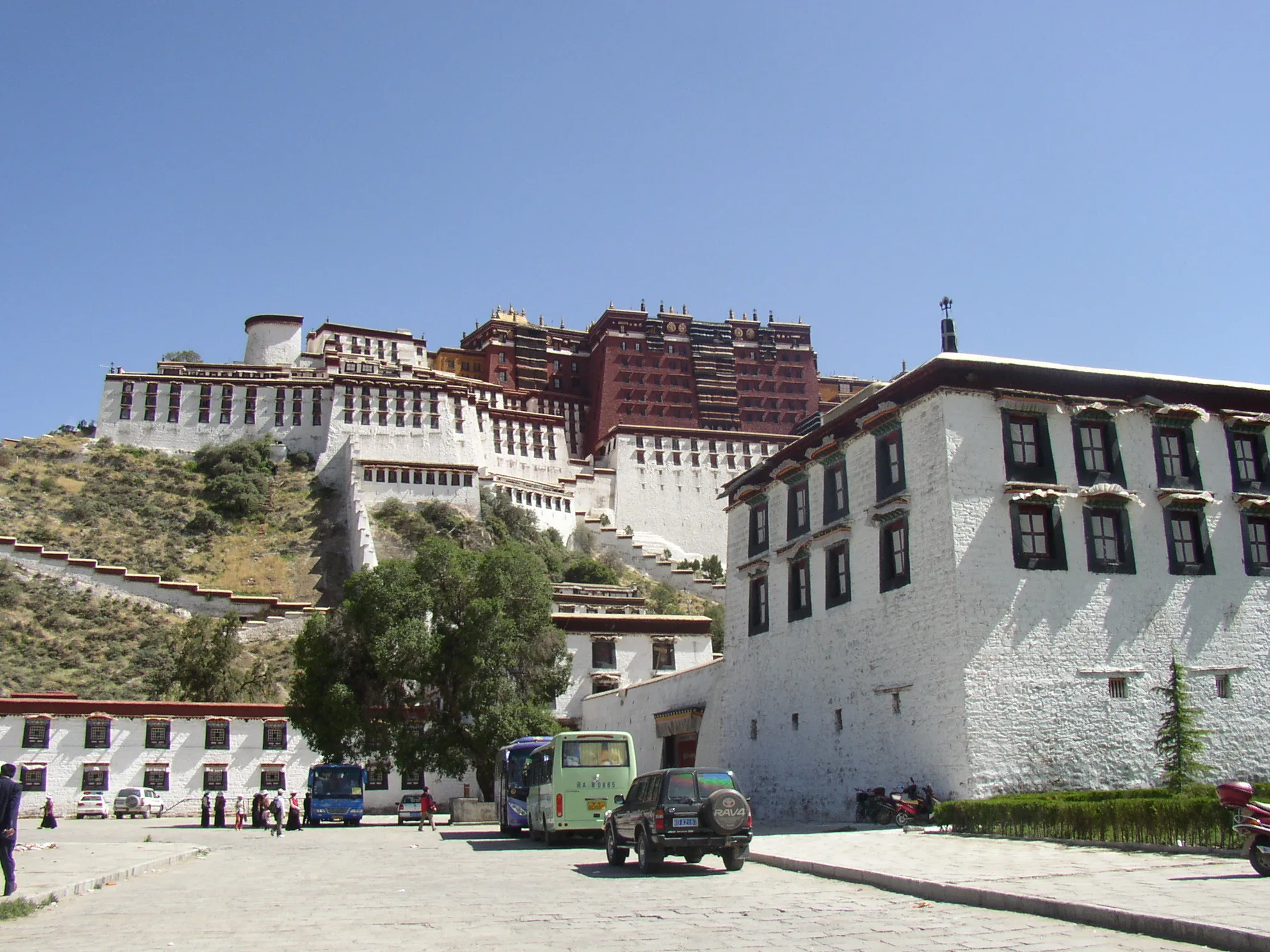
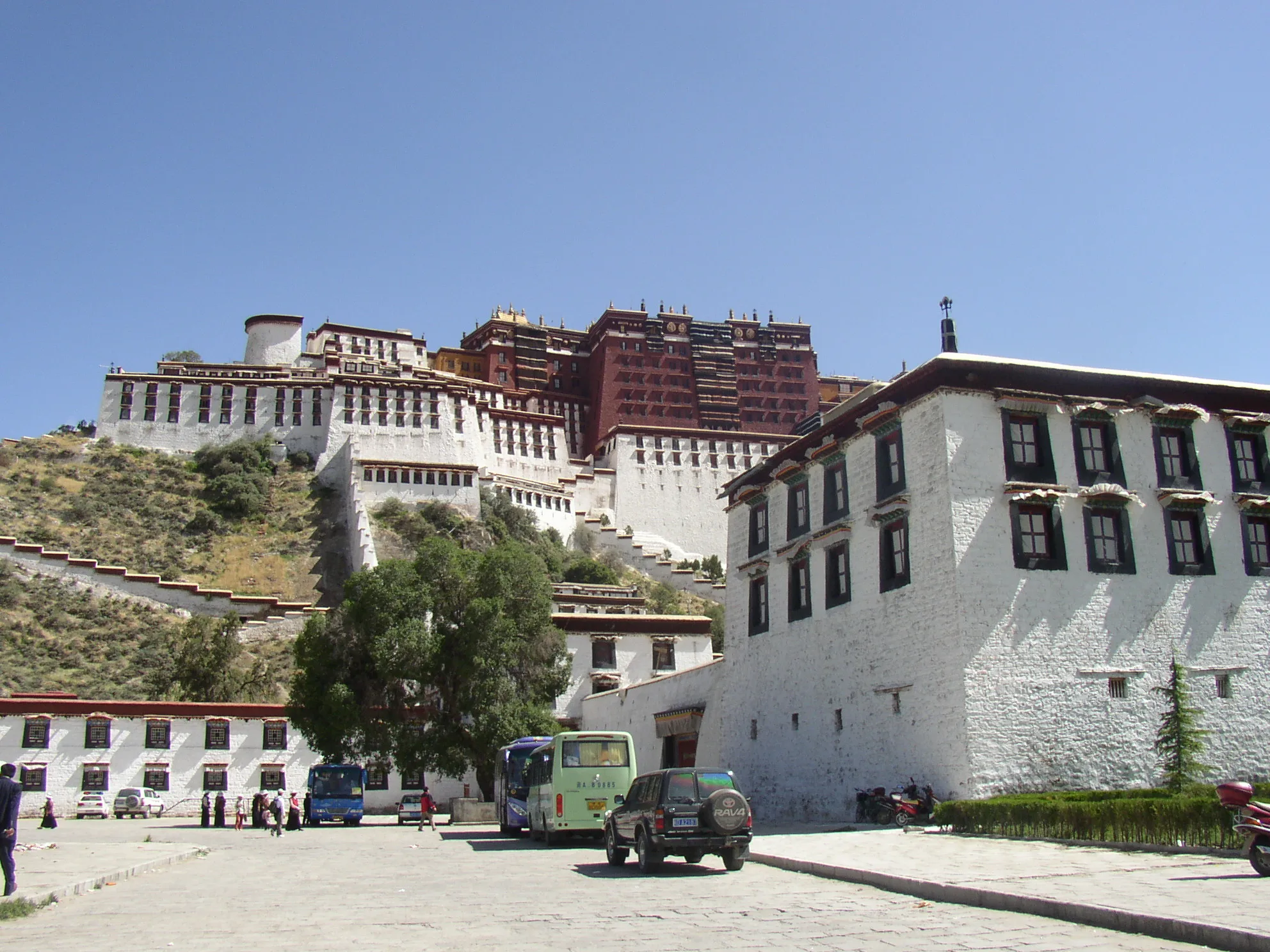
Lhasa sightseeing includes the Potala Palace, former residence of the Dalai Lamas and one of Tibet’s most recognisable landmarks. Its white and red buildings rise above the city and contain chapels, ceremonial halls, murals and important Buddhist images. You will also visit Jokhang Temple, one of the most revered temples in Tibetan Buddhism. Nearby Barkhor Street is a traditional pilgrimage circuit, where local people walk clockwise while turning prayer wheels and reciting mantras. This is an opportunity to observe religious practice respectfully and understand how faith remains connected with daily life in Lhasa.
The route then leads to Tsedang in the Yarlung Valley, often regarded as one of the earliest centres of Tibetan civilisation. The valley is associated with the origins of Tibetan history and offers a different atmosphere from the capital. Its open fields, traditional settlements and surrounding mountains provide a setting for exploring the roots of Tibetan culture and Buddhism. From Tsedang, you travel to Samye Monastery, traditionally recognised as the first Buddhist monastery established in Tibet. Founded in the eighth century under the patronage of King Trisong Detsen, Samye is closely linked with the introduction of Buddhism in Tibet. Guru Rinpoche played a central role in this formative period, making the monastery an important destination for pilgrims interested in his legacy.
Samye’s distinctive layout is rich in symbolism. The central temple and surrounding structures represent the Buddhist universe, while the architecture reflects Indian, Chinese and Tibetan influences. Walking through its courtyards and prayer halls offers time to appreciate Tibetan Buddhist history. Your guide can explain stories associated with Guru Rinpoche and the establishment of the monastery. The visit connects the itinerary with the spiritual history that gives this pilgrimage its purpose.
After exploring the Tsedang and Samye area, you return to Lhasa. Depending on the programme and local conditions, there may be time for additional visits, personal exploration or rest. Flexibility is useful in Tibet, where altitude, road conditions, weather and monastery visiting arrangements can influence daily activities.
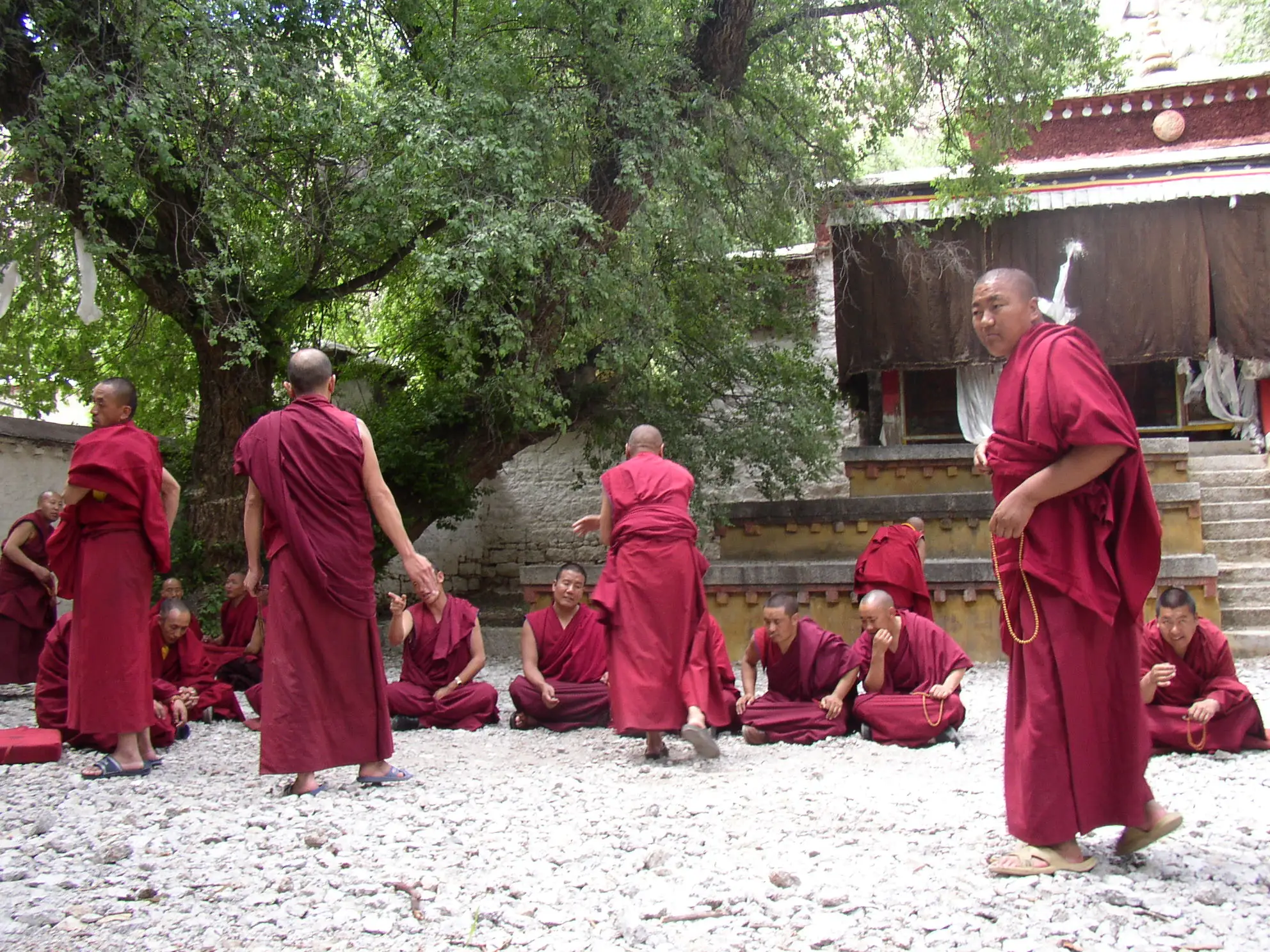
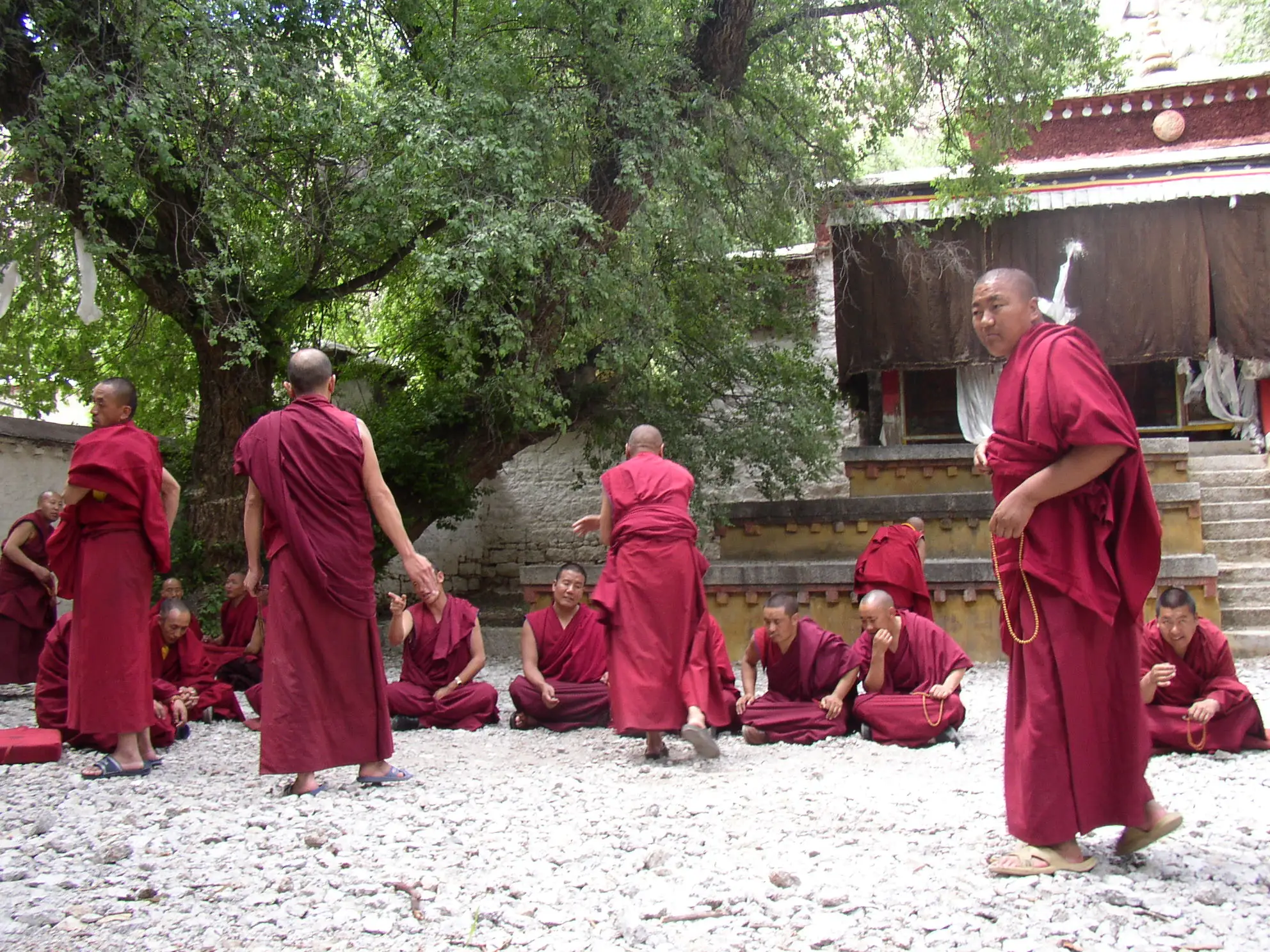
The pilgrimage continues to Ganden Monastery, dramatically situated on a mountain ridge northeast of Lhasa. Ganden Monastery was established in the early 15th century by Je Tsongkhapa and holds an important place in Tibetan Buddhism as one of the leading centres of the Gelug tradition. Its elevated setting offers expansive valley and mountain views. Explore the monastery complex and learn about its religious traditions and architecture. The area also offers opportunities for walking. The well-known kora, or circumambulation route, follows the hillside around the monastery. It involves uneven paths and high-altitude conditions, so walk at a comfortable pace according to your fitness and acclimatisation.
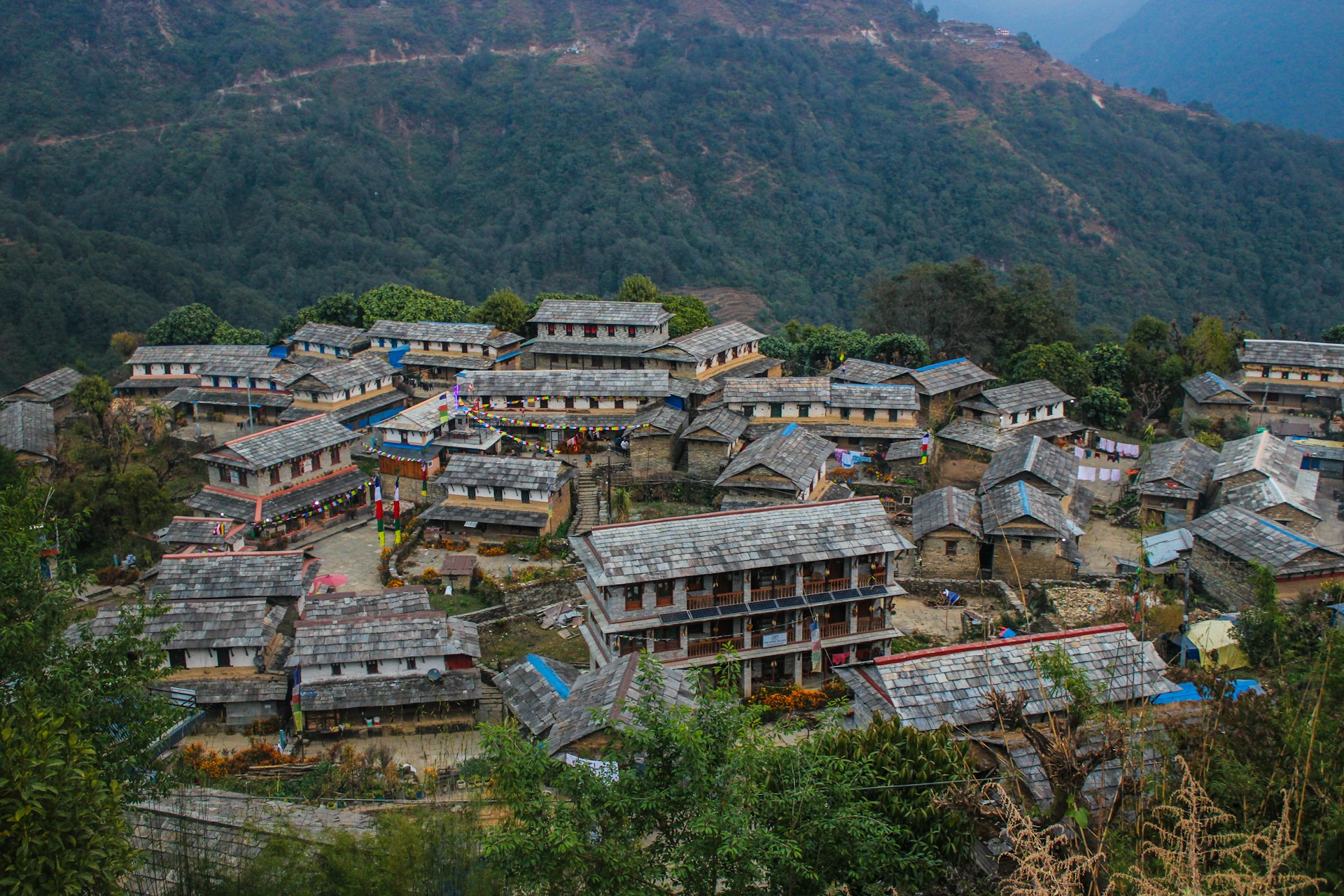
From Ganden, the journey proceeds to Tidrum, a remote valley known for its nunnery, spiritual atmosphere and natural hot springs. Tidrum offers a quieter contrast to Lhasa and the larger monasteries. The nunnery is associated with Buddhist practice and meditation, while the surrounding landscape creates a peaceful setting for reflection. The hot springs may provide an opportunity to relax, subject to local facilities and opening arrangements. Walks around Tidrum depend on the route, weather and time available.
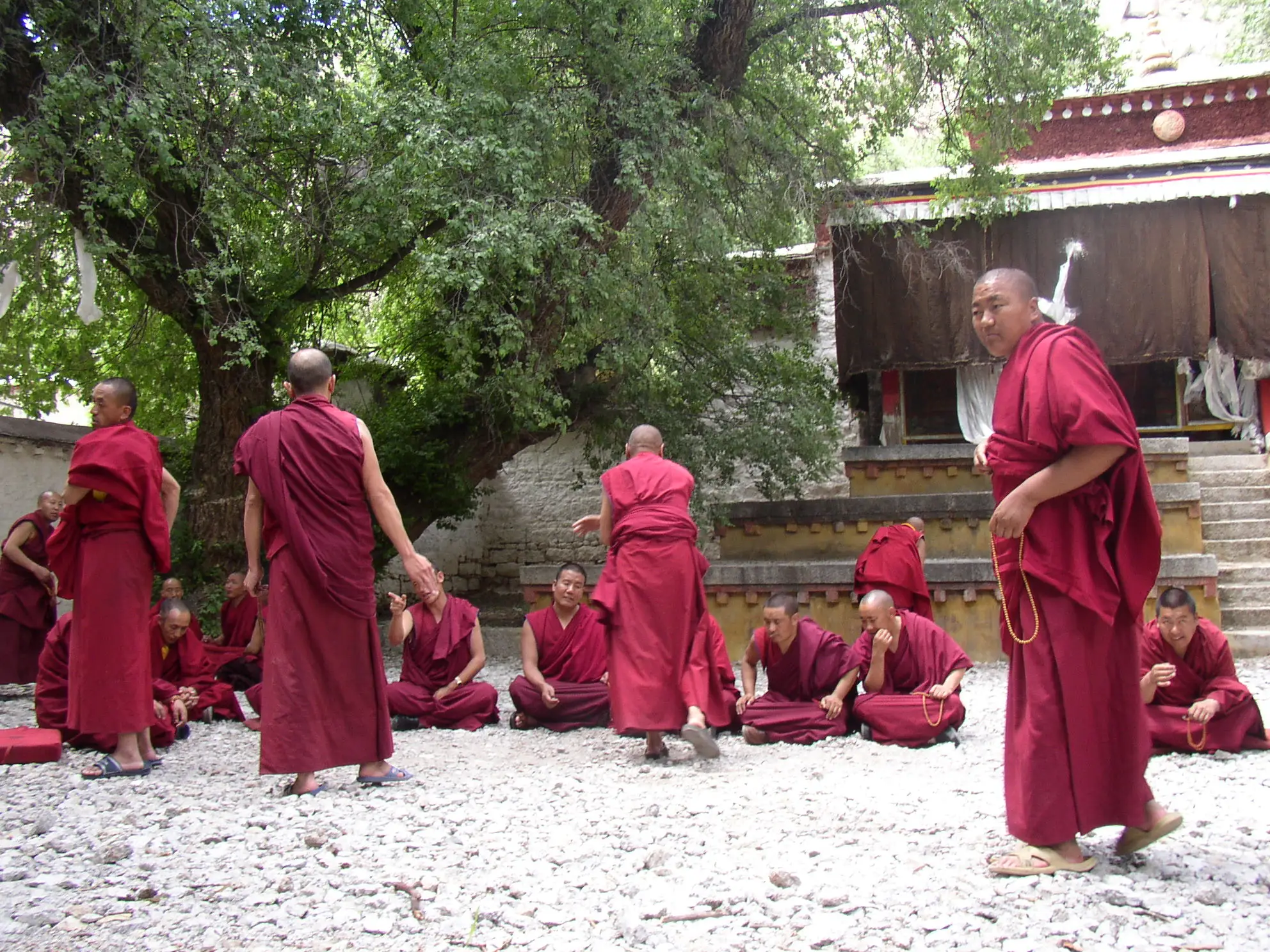
The places visited are connected by more than geography. Lhasa presents Tibet’s living religious centre; Tsedang and the Yarlung Valley introduce its early history; Samye recalls the establishment of Buddhism; Ganden represents Tibetan Buddhist scholarship and practice; and Tidrum offers a quieter environment for contemplation. Together, they explore Tibet’s spiritual heritage through places linked with Guru Rinpoche and the wider Buddhist tradition. The pilgrimage suits travellers interested in history, culture and religion, rather than those seeking strenuous trekking. Throughout the journey, respectful behaviour at religious sites is encouraged. Modest clothing, quiet observation and following photography guidance help protect the sanctity of monasteries and show consideration for monks, nuns and local worshippers you may meet along the way.
Some short hikes and walks are included, especially around Ganden and Tidrum, but the tour is primarily a cultural and spiritual journey by vehicle. Walking distances and difficulty depend on the final programme and local conditions. High altitude is an important consideration. Allow time to acclimatise, walk slowly, avoid overexertion and follow the guide’s advice. Anyone concerned about travelling at altitude should seek medical guidance before departure. Weather, road conditions or monastery access may require schedule adjustments.
At the end of the journey, you return to Lhasa for your flight to Kathmandu. You leave Tibet with memories of sacred architecture, mountain landscapes, prayer traditions and stories associated with Guru Rinpoche. This pilgrimage offers a thoughtful way to discover central Tibet through meaningful spiritual places, guided visits and gentle walks.
Travel Information
Destination and Route
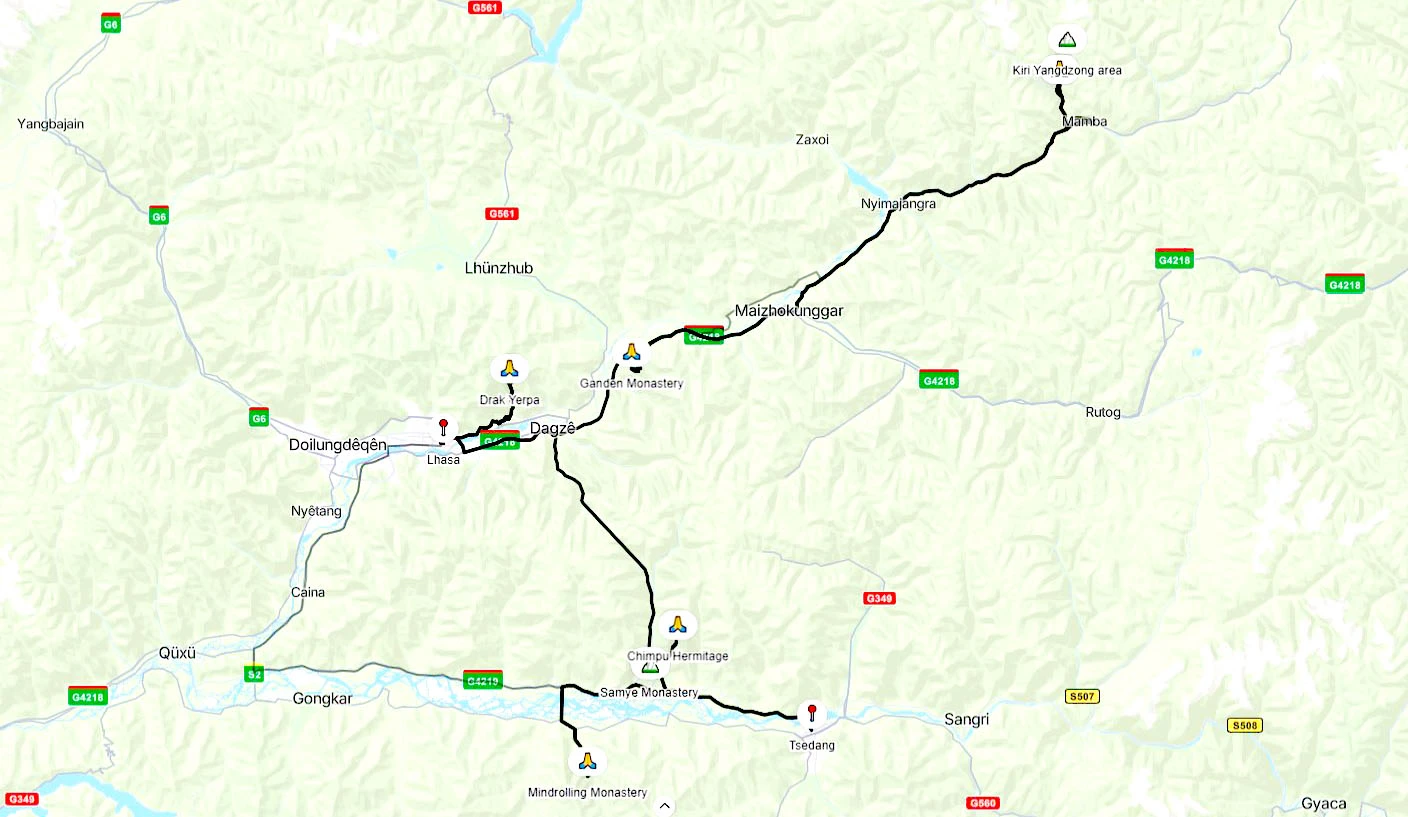
This pilgrimage takes place in central Tibet, following the route Kathmandu – Lhasa – Tsedang – Samye – Lhasa – Ganden – Tidrum – Lhasa – Kathmandu. Travel between destinations is arranged by private vehicle with an experienced local Tibetan guide.
Altitude and Acclimatisation
Tibet is a high-altitude destination. Lhasa is approximately 3,650 metres, Tsedang around 3,550 metres, Samye around 3,550 metres, Ganden approximately 4,300 metres and Tidrum around 4,200 metres. Allow sufficient time for acclimatisation and walk slowly, particularly during monastery visits and hillside walks.
Flights and Transportation
International travel begins with a flight from Kathmandu to Lhasa and ends with a return flight from Lhasa to Kathmandu. Flights are subject to airline schedules and availability. All ground transportation in Tibet is arranged by private vehicle according to the itinerary.
Tibet Travel Permits and Visa
Foreign travellers require the appropriate Chinese visa and Tibet Travel Permit, along with any additional permits applicable to the planned route. The necessary Tibet travel documentation is arranged in advance through the authorised local travel operator. Requirements depend on nationality and current regulations, so passport and visa details should be provided well before departure.
Accommodation
Accommodation is arranged in selected hotels and local guesthouses according to the itinerary. In Lhasa and Tsedang, comfortable tourist-standard hotels are generally used. Around Samye and Tidrum, accommodation may be simpler, reflecting the more remote locations. Rooms are normally provided on a twin-sharing basis.
Meals and Drinking Water
Meals are provided according to the agreed itinerary and accommodation arrangements. Tibetan, Chinese and some international dishes are available in larger towns, while food choices can be more limited in remote areas. Carry bottled or properly treated drinking water during sightseeing and road journeys.
Best Time to Travel
The most suitable months for this pilgrimage are generally April to October, when weather conditions are more favourable for sightseeing and road travel. May, June, September and October are particularly attractive months for exploring monasteries and mountain landscapes. Weather conditions can still change quickly at high altitude.
Climate and Weather
Tibet has a high-altitude climate with strong sunshine, relatively dry air and considerable temperature differences between day and night. Even during warmer months, mornings and evenings can be cold. Warm layers and sun protection are recommended throughout the journey.
Currency and Payments
The official currency in Tibet is the Chinese Yuan (CNY or RMB). Carry some cash for small purchases, personal expenses and places where electronic payments may not be available. International bank cards are not accepted everywhere.
Internet and Mobile Connectivity
Mobile coverage and internet access are generally available in Lhasa and larger towns, but connectivity may be limited in remote areas. International roaming depends on your mobile provider. Internet services and access to some international websites and applications may be restricted in China.
Electricity and Charging
Electricity in China operates at 220 volts, and the commonly used power outlets accommodate Type A, Type C and Type I plugs. Travellers should bring a suitable universal travel adapter and consider carrying a power bank for long road journeys and sightseeing days.
Luggage and Personal Belongings
Bring lightweight, practical luggage that is easy to handle during road journeys, hotel transfers and sightseeing. Keep essential medication, travel documents, valuables and personal items in your hand luggage. Warm clothing, comfortable walking shoes, sunglasses and sunscreen are important.
Travel Insurance
Comprehensive travel insurance covering medical expenses, emergency evacuation and high-altitude travel is strongly recommended. Check that your policy specifically covers the activities and maximum elevations included in this itinerary.
Language and Local Guide
Tibetan and Mandarin Chinese are the primary languages spoken across Tibet, although other local dialects are also used in different areas. An experienced English-speaking Tibetan guide accompanies the tour, helping you understand local culture, Buddhist traditions, monastery history and religious customs.
Responsible and Respectful Travel
Tibetan monasteries and religious sites are important places of worship. Dress modestly, follow local customs, respect photography restrictions and avoid disturbing religious ceremonies. Your guide will provide advice on appropriate behaviour at each sacred site.
Travel Tips
Allow Time for Acclimatisation
Lhasa is approximately 3,650 metres above sea level. Take the first days slowly, rest properly and allow your body to adjust to the altitude before undertaking longer walks or sightseeing.
Prepare for High Altitude
Drink sufficient water, avoid excessive physical exertion and follow your guide's advice. Consult your doctor before travelling if you have concerns about high-altitude travel.
Pack Suitable Clothing
Temperatures can vary considerably between daytime and nighttime. Bring warm layers, a windproof jacket, comfortable trousers and suitable walking shoes. A hat, sunglasses and sunscreen are also recommended.
Bring Comfortable Walking Shoes
Although this is primarily a cultural and spiritual pilgrimage, some walking and hiking are involved, particularly around Ganden Monastery and Tidrum. Comfortable shoes with good grip are essential.
Respect Buddhist Customs
Dress modestly when visiting monasteries and temples. Walk clockwise around religious monuments and prayer wheels where customary, avoid disturbing worshippers and follow your guide's instructions.
Check Photography Rules
Photography may be restricted inside monastery chapels, temples and prayer halls. Please seek permission before photographing monks, nuns or local residents, and always respect their privacy and cultural traditions.
Carry Personal Essentials
Bring personal medication, basic toiletries, hand sanitiser, lip balm, moisturiser and any other essential items. Keep important travel documents easily accessible.
Prepare for Weather Changes
Tibetan weather can change quickly, particularly in mountain areas. A light rain jacket, warm clothing and sun protection are useful throughout the journey.
Keep Cash Available
Carry some Chinese Yuan (CNY) for small personal purchases, snacks, local services and places where card payments may not be accepted.
Follow Your Guide's Advice
Your Tibetan guide will help you understand local customs, monastery etiquette and daily travel arrangements. Follow their guidance regarding walking routes, altitude precautions and sightseeing schedules.
Keep Travel Documents Ready
Keep your passport with you at all times, along with your valid Chinese visa and all necessary Tibet travel permits. Follow the latest documentation instructions provided by your tour operator before departure.
Travel with an Open Mind
Tibet has distinctive religious traditions, cultural practices and local customs. Be respectful, patient and flexible, as weather, road conditions and monastery schedules may occasionally affect the itinerary.
Accommodation Information
Accommodation during the Guru Rinpoche Tibet Pilgrimage Tour is arranged according to the facilities available in each destination.
Lhasa and Tsedang – 4-Star Hotel Accommodation
Both Lhasa and Tsedang offer a range of accommodation options, from tourist-standard hotels to 5-star properties. Travellers can choose hotels according to their comfort preferences and budget. Jagadamba Holidays includes comfortable 4-star hotel accommodation with breakfast in both cities as part of the standard tour arrangement.
Samye and Tidrum – Local Guesthouse Accommodation
In Samye and Tidrum, accommodation options are limited to locally operated guesthouses. These villages do not have standard tourist hotels, so facilities are very basic compared with those in Lhasa and Tsedang. Jagadamba Holidays carefully selects the best available local guesthouses, offering twin-sharing accommodation with all meals included.
Important Accommodation Note
Hotel and guesthouse facilities vary depending on the destination. Travellers should expect comfortable hotel standards in Lhasa and Tsedang, but simple, basic facilities in Samye and Tidrum. Accommodation is subject to availability at the time of booking. A single-room supplement applies to single occupancy where available.
Booking and Cancellation Policy
Booking Requirements
We recommend booking your Guru Rinpoche Tibet Pilgrimage Tour at least 45 days before departure. A clear, colour-scanned copy of your valid passport is required to arrange the necessary Tibet travel permits and other travel arrangements.
Cancellation Policy
Once your trip is confirmed, cancellation charges will apply according to our cancellation terms. Please read our Booking Terms and Cancellation Policy before confirming your reservation.
Travel Insurance
We strongly recommend purchasing comprehensive travel insurance before confirming your trip booking. Your policy should cover trip cancellation, medical expenses, emergency evacuation and high-altitude travel.
 Travel Itinerary
 Cost Includes
 Cost Excludes
 Fixed Departure
 Route Map
 Frequently Asked Questions
 Reviews And Rating