LHASA, EVEREST BASE CAMP & MOUNT KAILASH TOUR
US$6,500.00
/pp
-
22 Days
-
Mount Kailash
-
Spring/Autumn
-
Tour & Trek
-
5,630 Meters
-
Hard
-
Plane/Bus
-
04-32 People
-
JH#461X
 Overviews
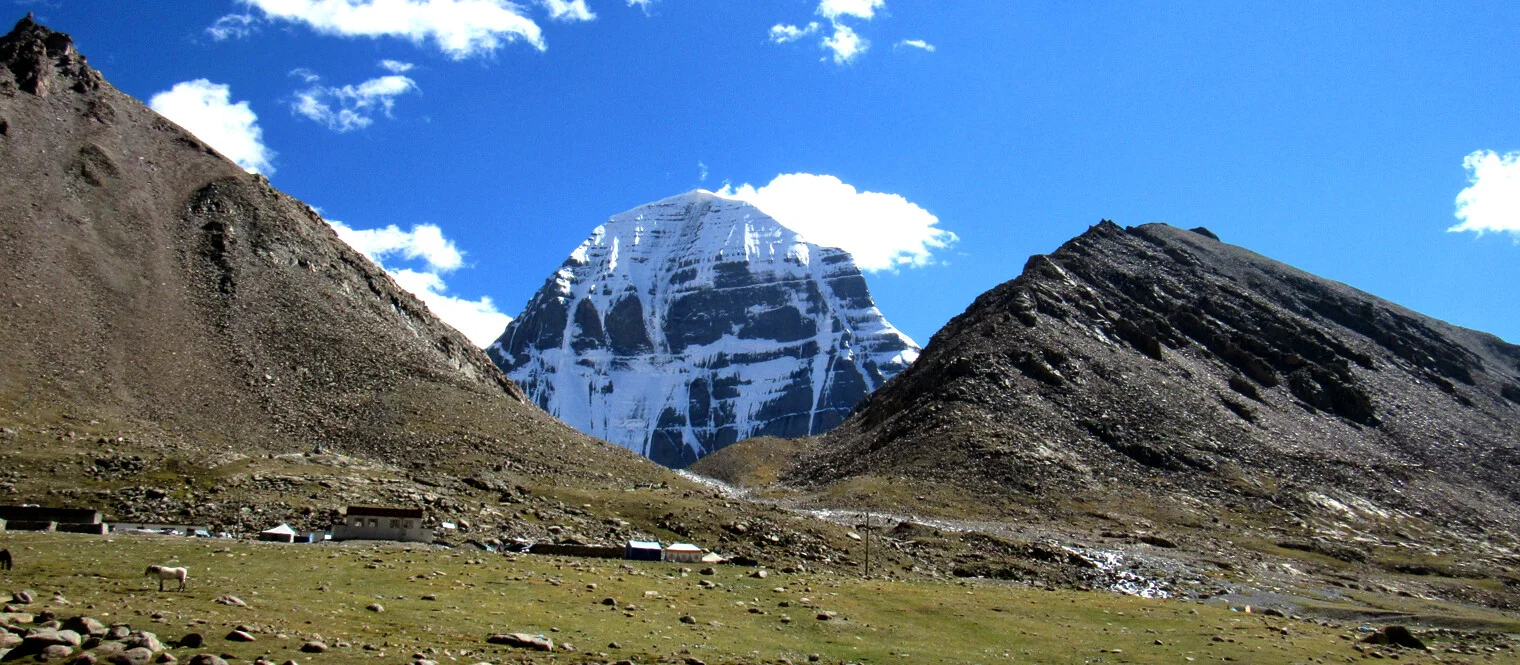
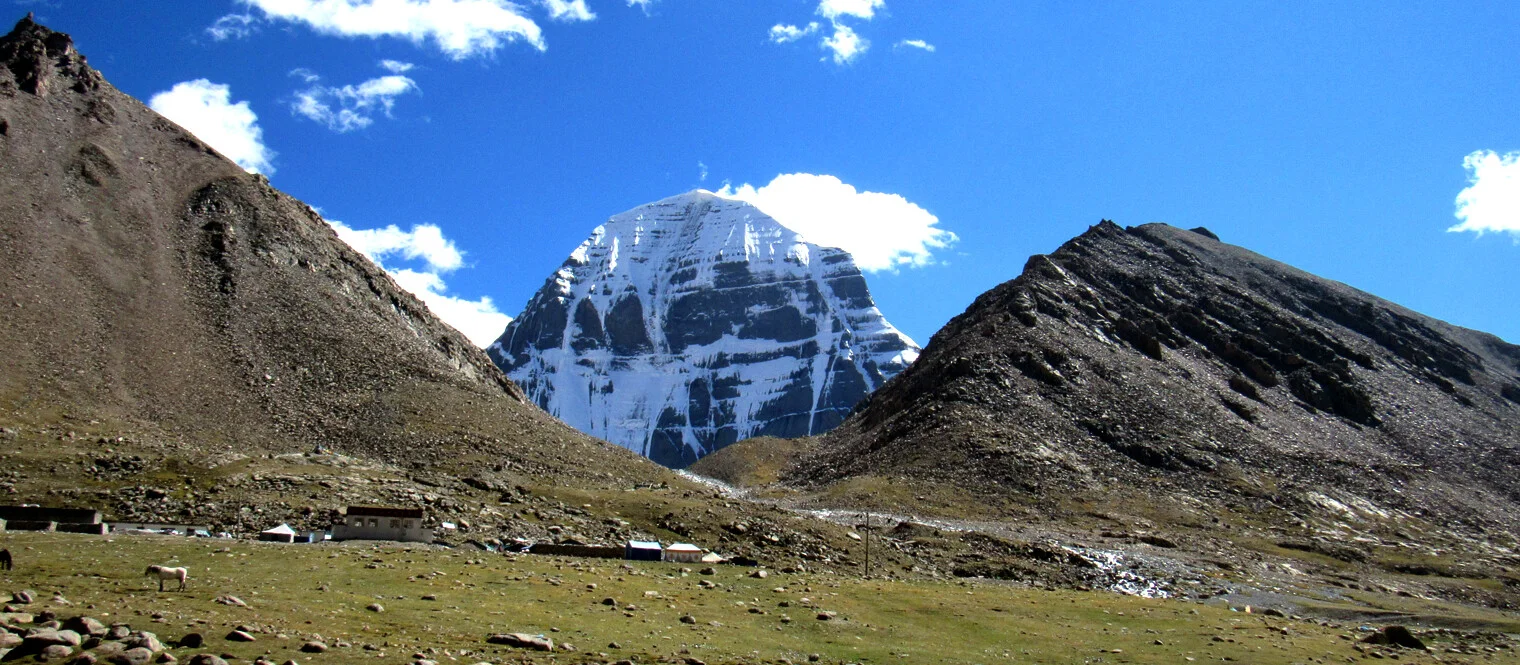
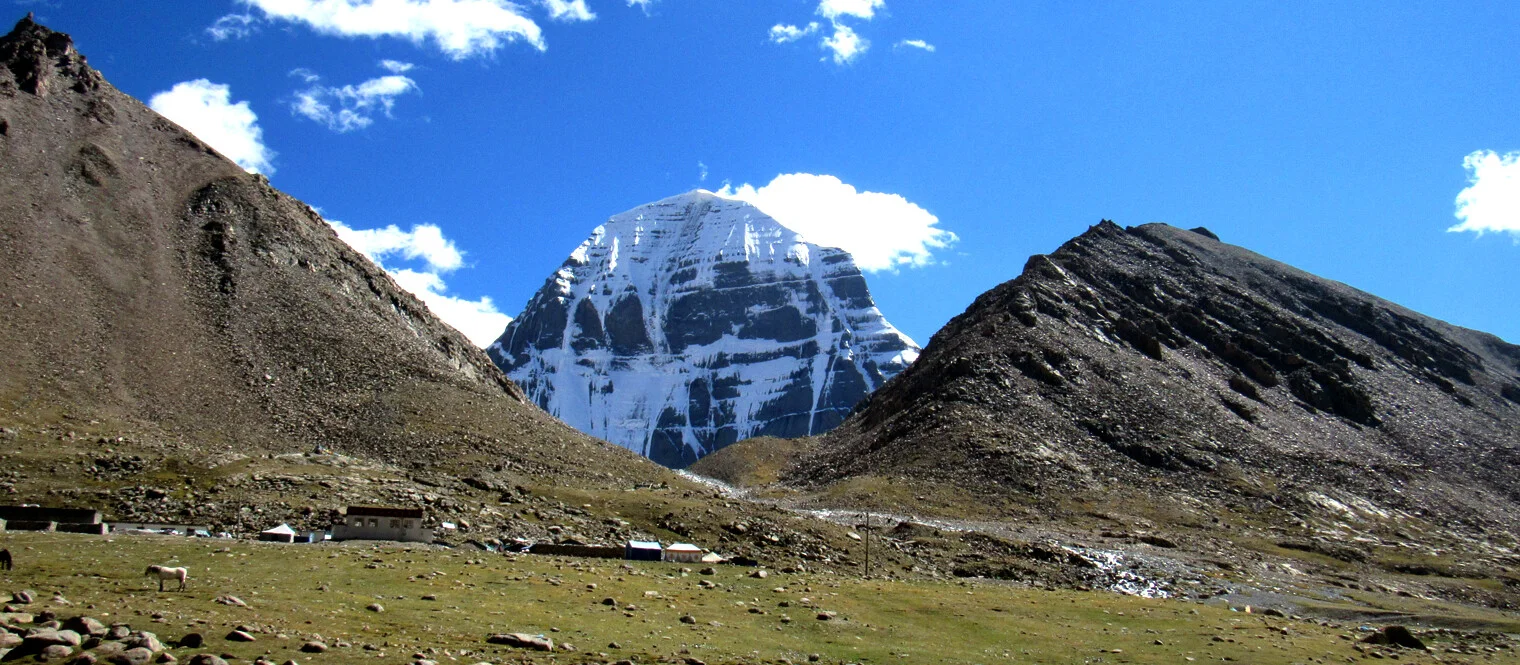
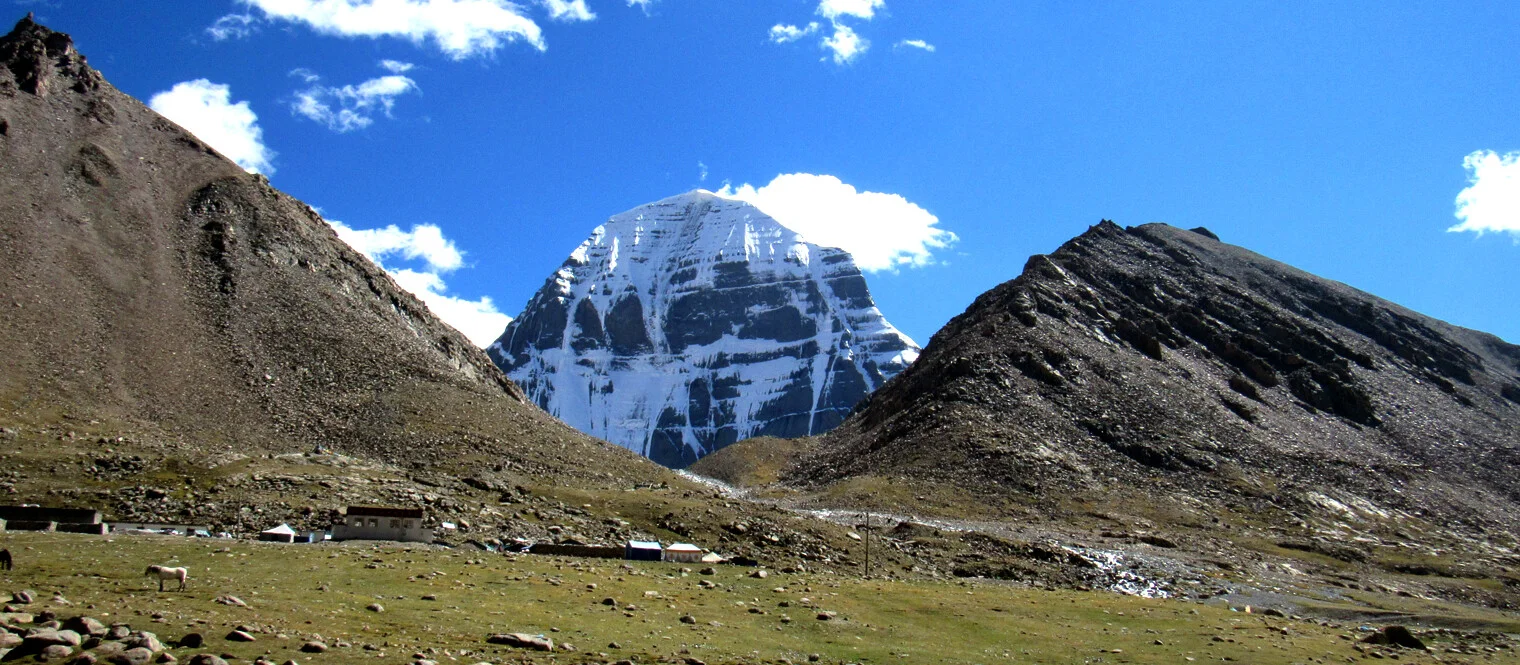
The Lhasa, Everest Base Camp and Mount Kailash Tour is a 22-day Tibet overland journey combining highland adventure with a sacred pilgrimage. Beginning in Lhasa, the route continues across the Tibetan Plateau towards Everest Base Camp and Mount Kailash, bringing together Tibetan culture, dramatic high-altitude landscapes and the traditional pilgrimage around Mount Kailash. This high-altitude overland journey connects Lhasa, northern Everest Base Camp, Mount Kailash, and Lake Manasarovar, combining Tibetan cultural heritage, dramatic Himalayan landscapes, historic Buddhist sites, and a traditional pilgrimage experience. The route gradually leads from the cultural heart of Tibet into the remote landscapes of western Tibet. Rather than focusing on a single destination, the journey unfolds across changing landscapes and elevations. From the historic surroundings of Lhasa, the route travels through broad valleys, high mountain passes, remote settlements, and expansive plateau landscapes before reaching the sacred region of Mount Kailash. The changing scenery is an important part of the experience, as established urban centres gradually give way to increasingly remote areas with limited infrastructure. Lhasa, Everest Base Camp and Mount KailashThe journey begins in Lhasa, the historic and cultural centre of Tibet. Situated at a high elevation on the Tibetan Plateau, Lhasa is known for its monasteries, temples, traditional Tibetan architecture, and long association with Tibetan Buddhism. Time in the city allows travellers to explore important cultural sites while also beginning the process of adapting to the altitude before continuing farther west. From Lhasa, the route continues across the Tibetan Plateau towards northern Everest Base Camp on the Tibetan side of Mount Everest. The journey through this region features broad valleys, high mountain passes, remote settlements, and expansive Himalayan views. Reaching northern Everest Base Camp offers an opportunity to experience the exceptional altitude and rugged environment surrounding the world's highest mountain, where the immense scale of Everest contrasts with the wide, open terrain of the plateau. After Everest, the journey continues towards western Tibet and the sacred region of Mount Kailash and Lake Manasarovar. Here, the natural landscape becomes closely connected with centuries-old religious traditions. Mount Kailash is revered in Hinduism, Buddhism, Jainism, and the Bon tradition, while Lake Manasarovar has long been regarded as a sacred lake associated with pilgrimage and spiritual practice. Across the Tibetan PlateauThe overland journey is an essential part of the Lhasa, Everest Base Camp & Mount Kailash Tour experience. Travelling by road allows visitors to observe the changing geography of the Tibetan Plateau rather than simply arriving at individual destinations by air. Vast open plains gradually give way to rugged mountain landscapes, high passes, and remote valleys, revealing the scale and diversity of the region. Much of the route lies above 4,000 metres, with several sections reaching considerably higher elevations. Travellers may experience strong sunlight, cold temperatures, wind, and rapidly changing weather. Road conditions can also vary according to weather, seasonal conditions, and local circumstances. Patience and flexibility are therefore important, particularly during the longer overland sections. The gradual progression through the itinerary provides valuable time for acclimatisation before reaching the highest and most demanding parts of the journey. Travellers should nevertheless take altitude seriously, maintain a steady pace, stay adequately hydrated, and communicate any significant symptoms to their guide. Everest Base Camp ExperienceThe northern Everest Base Camp provides a distinctive perspective of Mount Everest from the Tibetan side. The surrounding landscape is characterised by high-altitude terrain, glaciers, rocky valleys, and some of the world's most recognisable Himalayan peaks. This Tibet tour combines the experience of travelling through the remote Tibetan Himalayas with visits to Everest Base Camp, Mount Kailash, and Lake Manasarovar. The journey to Everest Base Camp demonstrates the scale and remoteness of the region, with long stretches of open landscape separating settlements and mountain areas. On clear days, the route and viewpoints may offer impressive views towards Everest and surrounding peaks, although visibility naturally depends on weather conditions. Time in the Everest region also forms part of the gradual acclimatisation process before continuing towards western Tibet and the Mount Kailash region. Mount Kailash and Lake ManasarovarArrival in the Mount Kailash region marks the spiritual focus of the journey. Mount Kailash, rising to approximately 6,638 m (21,778 ft), holds profound religious importance for several faith traditions. Unlike a conventional mountain expedition, the traditional pilgrimage does not involve climbing the summit. Instead, pilgrims undertake the sacred circumambulation known as the Kailash Kora or Kailash Parikrama. Nearby Lake Manasarovar, at approximately 4,590 m (15,059 ft), is another important destination on the pilgrimage route. Its high-altitude setting, blue-green waters, and surrounding mountain landscape create a striking contrast with the dry terrain of the Tibetan Plateau. Pilgrims traditionally visit the area for religious practices, contemplation, and reflection, subject to local regulations. Together, Mount Kailash and Lake Manasarovar provide the spiritual centrepiece of this overland journey through Tibet, bringing together the region's extraordinary landscapes, cultural heritage, and longstanding pilgrimage traditions. Mount Kailash KoraThe three-day Mount Kailash Kora is one of the principal experiences of the journey. The commonly described Outer Kora covers approximately 52 km (32 miles) from Darchen to Darchen. However, the actual walking distance can vary according to the route and vehicle arrangements. For this itinerary, the walking section begins at Yamdwar and covers approximately 47 km before returning to Darchen. The route passes through high-altitude valleys and challenging mountain terrain before reaching Dolma La Pass at 5,630 m (18,471 ft), the highest point of the Kora. The crossing is physically demanding because of the altitude, steep sections and changing weather conditions. The Inner Kora is a separate route closer to Mount Kailash and is not part of the standard three-day Outer Kora. Access may depend on religious practices, seasonal conditions, local route restrictions and applicable permits. For pilgrims, completing the Kailash Kora represents more than a physical walk. It is a traditional act of circumambulation with deep religious significance. For other travellers, the Kora also provides an opportunity to experience one of the remote high-altitude landscapes surrounding Mount Kailash. A Journey Requiring PreparationThe Lhasa, Everest Base Camp & Mount Kailash Tour involves considerable time at high altitude and in remote areas, making preparation an important part of the overall experience. Travellers should be comfortable with long overland journeys, basic accommodation in some locations and several hours of walking during the Mount Kailash Kora. Appropriate clothing, reliable trekking footwear, a suitable sleeping bag, personal medication, sun protection and adequate travel insurance are particularly important. Travellers should also allow sufficient time for physical preparation before departure. The journey combines organised transportation, accommodation, permits and local support with opportunities to experience Tibet's cultural and natural heritage at a gradual pace. Conditions can change because of weather, road conditions, border procedures and local regulations, so flexibility remains an essential part of travelling through this remote region. From the monasteries and cultural heritage of Lhasa to the northern side of Mount Everest and the sacred landscapes of Mount Kailash and Lake Manasarovar, the Lhasa, Everest Base Camp & Mount Kailash Tour brings together cultural, natural and pilgrimage experiences across the Tibetan Plateau. The detailed itinerary that follows provides the day-by-day route, overnight locations, transportation arrangements and activities, allowing travellers to understand how each stage connects to the next. Trip EssentialsPreparing for the Lhasa, Everest Base Camp & Mount Kailash Tour requires careful attention to documentation, health, fitness, equipment, insurance and travel arrangements. The following 10 essential sections cover the main practical information travellers should know before beginning this high-altitude journey. 1. Permits and DocumentationPermits and travel documents are essential for travelling to Tibet and the Mount Kailash region. Travellers should have a passport with at least six months of remaining validity. For the Nepal–Tibet route, a China Group Visa is required and is arranged through Kathmandu. The Tibet Travel Permit (TTP) is also mandatory for travel within Tibet. Additional permits may be required for specific areas of the itinerary, including an Alien's Travel Permit for Everest Base Camp and the Mount Kailash region. A Military Permit may also be required for certain border and restricted areas. These permits must be arranged through an authorised or licensed Tibetan travel agency, as individual applications are generally not accepted for these travel areas. Travellers should provide the required passport and visa information to the operator well in advance so that the necessary documentation can be processed before departure. 2. Health and FitnessThe Lhasa, Everest Base Camp and Mount Kailash route involves prolonged travel at high altitude, with large sections of the itinerary above 4,500 m. Travellers should therefore take altitude and general health seriously before departure. A medical check-up is strongly recommended before booking or undertaking the journey. The original preparation guidance recommends medical assessments that may include hemoglobin, TLC, DLC, ESR, blood sugar, ECG, treadmill testing and pulmonary function testing. Symptoms of Acute Mountain Sickness (AMS) can include headache, loss of appetite, nausea, vomiting, fatigue, dizziness and difficulty sleeping. Travellers should inform their guide immediately if symptoms develop. If altitude-related symptoms become serious or continue to worsen, continuing to ascend can be dangerous. Descent to a lower altitude is an important response to significant altitude sickness, and professional medical advice should be sought whenever necessary. Travellers with existing health concerns should consult their doctor before booking and discuss whether high-altitude travel and strenuous trekking are appropriate for them. 3. Physical PreparationPhysical preparation is important because the Mount Kailash Kora covers approximately 52 km over three days, including a demanding crossing of Dolma La Pass at 5,630 m. Structured preparation is recommended approximately one to three months before departure. Regular brisk walking, hiking or jogging can help develop cardiovascular endurance. A routine covering approximately 5–10 km of walking or jogging, combined with appropriate cardio and leg and core strength exercises, can help prepare for the physical demands of the itinerary. Training should focus not only on distance but also on walking for several consecutive hours. If possible, include uphill walking and longer hikes to become accustomed to sustained physical activity. Travellers who develop significant altitude-related symptoms should not attempt to continue the Kora simply because it is part of the itinerary. The original programme advises pilgrims with health concerns to remain at Darchen rather than undertake the Parikrama. 4. Packing EssentialsPacking appropriately is important because temperatures can change considerably across the Tibetan Plateau and Mount Kailash region. A suitable clothing system should include thermal base layers, fleece or down insulation, and a windproof and waterproof outer layer. Travellers should also carry a warm hat, gloves and a sun hat for protection from cold, wind and intense high-altitude sunlight. For the Kora, high-ankle trekking boots and comfortable, breathable trekking socks are recommended. Footwear should be broken in before the journey to reduce the risk of blisters. Personal health items should include regular medication, with an additional supply for unexpected delays, as well as a basic first-aid kit. High-SPF sunscreen and lip balm are useful because ultraviolet exposure is strong at high altitude. If using Diamox (acetazolamide) or any other altitude medication, travellers should consult a qualified doctor before the trip rather than self-medicate. Important documents should include: - Passport
- Visa documentation
- Tibet and other applicable permits
- Travel insurance documents
- Emergency contact information
- Copies of important travel documents
Useful electronic equipment includes a power bank, suitable plug adapter and headlamp. A sub-zero-rated sleeping bag is recommended for the Mount Kailash region and Everest Base Camp because overnight temperatures can be very low and accommodation facilities are basic in remote areas. 5. Money and CommunicationTravellers should carry sufficient Chinese Yuan (CNY/RMB) for personal expenses, snacks, tips, emergencies and purchases in remote areas. ATMs and card payment facilities are limited outside the major towns. The Mount Kailash and western Tibet region has limited infrastructure, and travellers should not depend entirely on electronic payments or access to ATMs. Mobile network coverage can also be limited or unavailable in remote sections of the route. Travellers should inform family members or friends about their itinerary before departure and advise them that communication may occasionally be interrupted. Weather, road conditions and other local circumstances can also cause delays. Travellers should therefore carry sufficient personal essentials and remain flexible during the overland journey. Medical facilities are limited in remote high-altitude areas, making preparation and appropriate travel insurance particularly important. 6. Travel InsuranceComprehensive travel insurance is an essential requirement for this journey. The policy should specifically cover high-altitude travel and trekking at elevations above 5,000 m. Travellers should check that their policy provides appropriate cover for: - Acute Mountain Sickness and altitude-related illness
- Emergency medical treatment
- Emergency evacuation
- Helicopter evacuation where applicable
- Repatriation where required
- Trip interruption or extended stays caused by unforeseen circumstances
Helicopter evacuation in remote Himalayan areas can be extremely expensive and is also dependent on weather and operational conditions. Travellers should read the policy terms carefully before departure and confirm that the altitude limits and activities covered by the policy correspond to the actual itinerary. 7. Restricted SubstancesAlcohol, sedatives and narcotic analgesics should be avoided during high-altitude travel unless specifically prescribed and medically advised. Such substances can affect breathing, alertness and the body's response to high altitude. Travellers should also avoid combining medication without professional medical advice. Maintaining adequate hydration, eating regularly and getting sufficient rest are important throughout the journey. Travellers should follow the instructions of their guide and report significant symptoms rather than attempting to continue through serious altitude-related problems. 8. Accommodation and InfrastructureAccommodation standards vary considerably along the route because the journey crosses remote areas of the Tibetan Plateau. In Lhasa and Shigatse, travellers can expect standard hotel accommodation. In Saga and around Everest Base Camp, accommodation may be provided in more basic guesthouses with fewer facilities. During the Mount Kailash Kora, accommodation is generally simple dormitory-style lodging with shared toilets. One bed is normally provided per traveller, but facilities are basic compared with standard city hotels. Travellers should therefore prepare for limited hot water, basic sanitary facilities and fewer services during the remote sections of the itinerary. The simple accommodation reflects the remote environment rather than the standard available in major Tibetan cities. Warm clothing, appropriate personal equipment and a suitable sleeping bag are particularly important. 9. Best Travel WindowThe main travel season for the Kailash Mansarovar Yatra and Mount Kailash Tour generally runs from May to September. May, June and September can offer relatively stable conditions and good visibility, although actual weather varies from year to year. June can be particularly busy because of the full-moon pilgrimage period, when demand for accommodation and travel services may increase. July and August coincide with the wider South Asian monsoon season, although much of Tibet lies in a rain-shadow region and conditions can remain suitable for travel. Weather conditions can still change rapidly at high altitude. The period from October to April is generally less suitable for this itinerary because snow, freezing temperatures and winter conditions can affect high passes, including Dolma La Pass. Road and border conditions may also be affected by severe weather. Travellers should always check the current operating season and border conditions when planning their departure. 10. Booking TimelineEarly booking is recommended because the journey involves permits, visa arrangements, transportation, accommodation and coordination with authorised Tibetan partners. For standard departures, booking approximately 5–10 months in advance is recommended. Travellers planning to travel during a full-moon pilgrimage period should consider booking approximately 8–10 months ahead. Permit processing requires a minimum of approximately 10–14 days, although additional time is strongly recommended during busy periods. For peak-season departures, booking two months or more in advance is advisable where possible. Earlier booking provides additional time for permit processing, document preparation, travel arrangements and physical preparation. Because the route is subject to border regulations, government permits, weather and operating conditions, travellers should confirm the latest requirements and departure status before making final arrangements.
Itinerary (Plan)
Upon arrival in Kathmandu at 1,400 metres (4,593 feet), you will be warmly welcomed at Tribhuvan International Airport by our representative and assisted with your transfer to the hotel. Kathmandu is the starting point of your journey through Tibet, including Lhasa, Everest Base Camp and Mount Kailash. After checking in, the remainder of the day is kept free for rest and recovery following your international journey. You can take time to relax at the hotel, stay hydrated and settle into your surroundings before the journey ahead. Avoiding unnecessary physical exertion on arrival allows you to conserve energy for the days to come. Our team will be available to assist with any immediate arrangements, document checks and practical information related to the upcoming journey. Depending on your arrival time, you may take a gentle walk around the nearby area or simply enjoy a quiet evening at the hotel. This relaxed first day provides time to recover from travel, organise your belongings and prepare comfortably for the journey from Kathmandu towards Lhasa, Everest Base Camp and Mount Kailash.
After breakfast, your day begins with the formalities for your upcoming journey to Tibet. Around 9:00–10:00 AM, you will visit the Tibet Visa Application Centre to submit your visa application and the required documents. Our representative will accompany you and assist with the necessary procedures, helping to make the process straightforward and well organised. Once the visa submission is completed, the Kathmandu sightseeing tour begins at approximately 10:30 AM. The day introduces you to several important religious and cultural landmarks located around the Kathmandu Valley, offering an insight into Nepal’s diverse Hindu and Buddhist traditions. Your first visit is to Swayambhunath, one of Kathmandu’s best-known hilltop landmarks. The ancient stupa sits above the valley and is surrounded by prayer wheels, shrines, monasteries and the familiar presence of the temple’s resident monkeys. From the hilltop, you can also enjoy broad views across Kathmandu, weather permitting. The tour then continues to Budhanilkantha, home to the remarkable stone image of Lord Vishnu reclining on a bed of serpents. The large statue lies in a sunken stone pool and is an important pilgrimage site for Hindu devotees. Its distinctive setting makes it one of the more unusual religious monuments in the Kathmandu Valley. From Budhanilkantha, continue to Boudhanath Stupa, one of the most significant centres of Tibetan Buddhism in Nepal. The enormous white dome and gilded pinnacle rise above the surrounding neighbourhood, where monasteries, prayer wheels, traditional shops and cafés reflect the strong Tibetan Buddhist character of the area. You will have time to walk around the stupa and observe the daily rituals of pilgrims and local devotees. The sightseeing continues towards the sacred Guhyeshwari Temple, an important Hindu pilgrimage site situated near the Bagmati River. The temple has deep religious significance, although access to the main temple area is restricted to Hindu visitors. Non-Hindu guests can view the exterior and surrounding area from the permitted sections. Your final major visit of the day is Pashupatinath, Nepal’s most important Hindu pilgrimage complex. Located along the banks of the Bagmati River, the area is known for its temples, shrines, traditional architecture and riverside ghats. Non-Hindu visitors cannot enter the main Pashupatinath temple itself, but can visit the surrounding areas and observe the religious atmosphere from the permitted viewpoints. After completing the sightseeing programme, return to your hotel and enjoy the rest of the evening at leisure. The remaining time provides an opportunity to relax, explore the neighbourhood around your hotel, or prepare for the next stage of your Tibet journey.
Enjoy a leisurely breakfast at your hotel. As your Tibet visa is being processed today, the itinerary is designed as a flexible sightseeing day in Kathmandu Valley. This allows you to make good use of the day while remaining available for any visa-related requirements. Today, we visit two historic Durbar Squares and one of Nepal’s oldest temples, offering an opportunity to experience the valley’s rich cultural heritage, traditional architecture, and artistic traditions. Changu Narayan Temple
Visit Changu Narayan Temple, one of Nepal’s oldest temples, located on a hilltop east of Kathmandu. Dedicated to Lord Vishnu, the temple is known for its ancient stone inscriptions, beautifully carved sculptures, traditional woodwork, and distinctive Newar craftsmanship. Take time to explore the temple complex and enjoy views of the surrounding countryside and Kathmandu Valley. Bhaktapur Durbar Square
Explore Bhaktapur Durbar Square, a UNESCO World Heritage Site and one of the best-preserved historic squares in the Kathmandu Valley. Walk through the former royal palace complex and discover traditional courtyards, temples, stone sculptures, and the impressive Nyatapola Temple. The square provides an excellent introduction to Bhaktapur’s centuries-old Newar architecture, craftsmanship, and cultural traditions. Patan Durbar Square
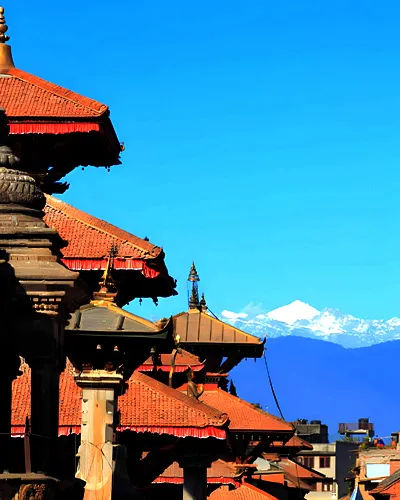
Continue to Patan (Lalitpur) and explore Patan Durbar Square, another UNESCO World Heritage Site celebrated for its remarkable Newar architecture and artistic heritage. Visit the historic palace courtyards and surrounding temples, admire intricate metal and stonework, and experience the traditional craftsmanship for which Patan has been renowned for generations.
Enjoy breakfast at your hotel (Kathmandu Guest House) and take the morning at your own pace. Today is a relaxed day to prepare for your upcoming journey to Tibet and Mount Kailash, while your Tibet visa is collected. You may spend your free time relaxing at the hotel or, if you wish, join an optional visit to Kathmandu Durbar Square and the Garden of Dreams. Alternatively, you may visit the Narayanhiti Palace Museum, the former royal palace of Nepal. Please note that the Narayanhiti Palace Museum is closed on Wednesdays. 4:00 PM — Kailash Journey Briefing
Return to the hotel by around 4:00 PM for an important pre-journey briefing. Our team will review the upcoming itinerary, transportation arrangements, accommodation, border-crossing procedures, essential equipment, altitude considerations, and other practical details to help you prepare for the journey ahead. After the briefing, enjoy the remainder of the evening at leisure and prepare for your departure toward Tibet and the Mount Kailash region.
After breakfast, transfer to Tribhuvan International Airport for your flight from Kathmandu to Lhasa. Flight time: approximately 1 hr 20 min–1 hr 35 min. Upon arrival at Lhasa Gonggar Airport, meet your Tibetan guide and begin the approximately 60 km airport transfer to Lhasa, taking around 1–1.5 hours, depending on road and traffic conditions. The flight from Kathmandu to Lhasa is a memorable experience, offering spectacular aerial views of the Himalayan range and the vast high-altitude landscapes of the Tibetan Plateau. Weather permitting, you may see some of the world’s highest mountain peaks from the aircraft, making the journey to Tibet an impressive introduction to your Kailash adventure. From Lhasa Gonggar Airport, drive towards Lhasa through the dramatic landscapes of the Tibetan Plateau. Along the way, enjoy views of the surrounding mountains, valleys, rivers, and traditional Tibetan settlements as you gradually make your way towards the historic city of Lhasa. Upon arrival in Lhasa (3,656 m / 11,990 ft.), check in to your hotel and take the remainder of the day for rest and acclimatisation. As Lhasa is situated at a high altitude, we recommend taking it easy, staying well hydrated, and avoiding strenuous activities. If you feel comfortable, you may take a short and easy walk around the hotel or nearby streets to gently experience the local surroundings without overexerting yourself. Throughout your stay in Tibet, you will be accommodated in standard 3-star hotels, based on twin-sharing rooms with private bathrooms. Breakfast, lunch, and dinner are included throughout the tour, providing regular meals during your journey across Tibet.
After breakfast at the hotel, begin your first full day of sightseeing in Lhasa. Today introduces you to some of the most important cultural and spiritual landmarks of the Tibetan capital. The pace remains comfortable, allowing you to continue acclimatising while exploring the city's remarkable heritage. Potala Palace
Begin with a visit to the magnificent Potala Palace, one of the most recognisable landmarks of Tibet and a UNESCO World Heritage Site. Built on Marpo Ri Hill above Lhasa, the palace was historically the winter residence of the Dalai Lamas and served as an important centre of Tibetan religious and political life. Explore its impressive courtyards, chapels, prayer halls, murals, sculptures, and traditional Tibetan architectural details while learning about the history and religious traditions associated with the palace. Jokhang Temple
Continue to the sacred Jokhang Temple, regarded as one of the most important pilgrimage sites in Tibetan Buddhism. Located in the heart of Lhasa, the temple attracts pilgrims from across Tibet who come to pray, make offerings, and perform traditional devotional practices. Inside, explore the richly decorated prayer halls, chapels, murals, statues, and distinctive Tibetan Buddhist artwork while learning about the temple's cultural and spiritual significance. Barkhor Square & Old Lhasa
After visiting Jokhang Temple, spend time exploring Barkhor Square and the surrounding old quarter of Lhasa. Walk along the traditional pilgrimage circuit around the Jokhang, where you can observe pilgrims performing kora, visit local shops selling Tibetan handicrafts and religious items, and experience the atmosphere of the historic city centre. This is also an opportunity to see traditional Tibetan buildings and everyday local life. After sightseeing, return to the hotel and enjoy the remainder of the afternoon or evening at leisure. Take the opportunity to rest, stay hydrated, and continue adjusting comfortably to the altitude. Throughout your stay in Tibet, you will be accommodated in standard 3-star hotels, based on twin-sharing rooms with private bathrooms. Breakfast, lunch, and dinner are included throughout the tour, providing regular meals during your journey across Tibet.
After breakfast at the hotel, continue exploring Lhasa's rich Buddhist heritage and historic landmarks. Today's sightseeing takes you to three important sites that offer a deeper insight into Tibetan Buddhism, monastic traditions, and the former life of Tibet's spiritual leaders. Drepung Monastery
Begin the day with a visit to Drepung Monastery, one of Tibet's largest and historically significant monasteries. Built on the slopes of a mountain overlooking Lhasa, Drepung was once home to thousands of monks and played an important role in Tibetan Buddhist education and religious life. Explore its traditional courtyards, prayer halls, chapels, murals, and religious artwork while learning about its history and connection with the Dalai Lamas. Sera Monastery
Continue to Sera Monastery, another major centre of Tibetan Buddhist learning. The monastery is particularly known for its traditional monastic debate sessions, during which monks engage in lively philosophical discussions using gestures and structured questioning. Subject to the monastery's daily schedule, you may have the opportunity to observe this distinctive tradition before exploring the monastery's prayer halls, courtyards, and religious artwork. Norbulingka
In the afternoon, visit Norbulingka, the former summer residence of the Dalai Lamas and a UNESCO World Heritage Site. The complex is surrounded by landscaped gardens and contains several palaces, chapels, and traditional Tibetan buildings. Stroll through the peaceful gardens and explore the historic residences while learning about the cultural and historical significance of this important site. After sightseeing, return to the hotel and enjoy the remainder of the evening at leisure. Continue to stay hydrated and take sufficient rest as you prepare for the next stage of your journey toward the Mount Kailash region. Throughout your stay in Tibet, you will be accommodated in standard 3-star hotels, based on twin-sharing rooms with private bathrooms. Breakfast, lunch, and dinner are included throughout the tour, providing regular meals during your journey across Tibet.
After breakfast, depart Lhasa and begin your scenic overland journey towards Shigatse. The approximately 360 km (224 miles) drive takes around 7–8 hours, including scenic stops along the route. The journey takes you across high mountain passes, alongside turquoise lakes, through dramatic valleys, and across the vast landscapes of the Tibetan Plateau. Lhasa stands at approximately 3,650 m (11,975 ft), while Shigatse is situated at approximately 3,840 m (12,598 ft). Yamdrok Lake Travel over Kamba La Pass at approximately 4,794 m (15,728 ft) and stop at a viewpoint overlooking Yamdrok Lake, one of Tibet’s three great sacred lakes. Situated at approximately 4,441 m (14,570 ft), the lake’s striking turquoise waters stretch between rugged mountains, creating one of the most memorable landscapes of the journey. Take time to enjoy the panoramic views and capture photographs of the lake and surrounding Himalayan scenery. Continue through the high-altitude Tibetan landscape, passing traditional villages, mountain valleys, and spectacular mountain scenery towards Gyantse. The route also passes the Karo La area at approximately 5,010 m (16,437 ft) before continuing towards Gyantse and Shigatse. Depending on the day’s schedule and road conditions, there may be opportunities for additional scenic stops along the route. Arrival in Shigatse Continue towards Shigatse, Tibet’s second-largest city and an important cultural and religious centre. Upon arrival in Shigatse, check in to your hotel and enjoy the remainder of the evening at leisure. At approximately 3,840 m (12,598 ft), Shigatse provides a suitable place to rest and continue acclimatising before the journey towards the Mount Kailash region. Throughout your stay in Tibet, accommodation will be provided in standard 3-star hotels, based on twin-sharing rooms with private bathrooms. Breakfast, lunch, and dinner are included throughout the Tibet tour.
After breakfast, depart Shigatse and begin your scenic journey towards Tingri. The approximately 240 km (149 miles) drive takes around 5–6 hours, depending on road conditions and stops along the way. The route takes you through the dramatic landscapes of southern Tibet, with vast valleys, rugged mountains, traditional settlements, and expansive views of the Tibetan Plateau. Shigatse is situated at approximately 3,840 m (12,598 ft), while Tingri lies at approximately 4,300 m (14,108 ft). Tashilhunpo Monastery
Before leaving Shigatse, visit Tashilhunpo Monastery, one of the most important monasteries in Tibet and the traditional seat of the Panchen Lamas. Founded in 1447, the monastery is known for its impressive courtyards, prayer halls, chapels, and richly decorated Buddhist statues. Take time to explore the monastery complex and experience its important religious and cultural heritage before continuing towards Tingri. Journey Towards Tingri
Continue westward through the high-altitude Tibetan landscape, following a scenic route surrounded by rugged mountains and broad open valleys. As the journey progresses, the landscape becomes increasingly remote and dramatic, with sweeping views across the Tibetan Plateau and the Himalayan ranges. Depending on road conditions and the day’s schedule, there may be opportunities for scenic stops and photographs along the route. Arrival in Tingri
Upon arrival in Tingri, check in to your hotel and enjoy the remainder of the day at leisure. Located at approximately 4,300 m (14,108 ft), Tingri is an important stopping point for travellers heading towards the Mount Everest region and Mount Kailash. A relaxed evening allows you to rest and continue acclimatising to the high altitude before the next stage of your journey. Throughout your stay in Tibet, accommodation will be provided in standard 3-star hotels, based on twin-sharing rooms with private bathrooms. Breakfast, lunch, and dinner are included throughout the Tibet tour.
After breakfast, leave Tingri and begin your scenic journey towards Everest Base Camp (EBC). The approximately 110 km (68 miles) drive takes around 3–4 hours, depending on road conditions and stops along the way. The route takes you deeper into the high-altitude Himalayan landscape, with spectacular views of snow-covered peaks, wide valleys, rugged mountain terrain, and the northern face of Mount Everest. Tingri is situated at approximately 4,300 m (14,108 ft), while Everest Base Camp on the Tibetan side is located at approximately 5,200 m (17,060 ft). Rongbuk Monastery
Continue towards Rongbuk Monastery, one of the highest monasteries in the world, situated at approximately 4,980 m (16,339 ft). Located beneath the impressive north face of Mount Everest, the monastery combines Tibetan Buddhist heritage with remarkable Himalayan scenery. Take some time to explore the monastery and enjoy the spectacular views of Everest and the surrounding mountains. Everest Base Camp
Continue from Rongbuk Monastery to the Tibetan-side Everest Base Camp, where you can enjoy spectacular views of Mount Everest. Located at approximately 5,200 m (17,060 ft), the base camp offers an exceptional perspective of the world’s highest mountain, rising to 8,849 m (29,032 ft). Take time to enjoy the panoramic Himalayan scenery and capture photographs of the majestic north face of Everest. Evening at Everest Base Camp
After exploring the Everest Base Camp area, return to Rongbuk Monastery Guest House and enjoy a peaceful evening surrounded by the Himalayan landscape. Due to the high altitude, take the evening slowly, stay hydrated, and allow your body to rest and adjust to the elevation. Weather permitting, the surrounding mountains offer beautiful views as the changing light creates a dramatic backdrop around Mount Everest. Overnight at Rongbuk Monastery Guest House in twin-sharing rooms with shared bathroom facilities. Breakfast, lunch, and dinner are included throughout the Tibet tour.
Day 11: Everest Base Camp to Saga – Tibetan Plateau & Himalayan Scenery After breakfast, enjoy your final views of Mount Everest before departing the Rongbuk area and beginning your journey towards Saga. The approximately 330 km (205 miles) drive takes around 6–7 hours, depending on road conditions and scenic stops along the route. The journey follows the route towards Peiku Tso and then along the G219 National Highway towards Saga, crossing the vast Tibetan Plateau and passing remote valleys, high mountain landscapes, grasslands, and spectacular Himalayan scenery. Everest Base Camp on the Tibetan side is situated at approximately 5,200 m (17,060 ft), while Saga is located at approximately 4,640 m (15,223 ft). Peiku Tso Lake
Continue westward through the remote landscapes of southern Tibet and make a scenic stop at Peiku Tso Lake, a beautiful high-altitude lake surrounded by rugged mountains and wide open valleys. The lake sits at approximately 4,590 m (15,059 ft) and offers spectacular views of the surrounding Himalayan landscape. Depending on weather and road conditions, take some time to enjoy the scenery and capture photographs of the lake and distant mountain ranges. Journey Along the G219 National Highway
Continue the journey along the G219 National Highway, one of the major roads crossing the high-altitude Tibetan Plateau. The route passes through remote settlements, expansive grasslands, mountain valleys, and rugged landscapes, offering a fascinating glimpse into the vast and sparsely populated interior of Tibet. Along the way, enjoy changing views of the Himalayan ranges and the dramatic scenery surrounding the road. Arrival in Saga
Continue towards Saga, an important stop on the overland route towards the Mount Kailash and Lake Manasarovar region. Upon arrival in Saga, check in to your hotel and enjoy the remainder of the evening at leisure. At approximately 4,600 m (15,092 ft), Saga remains at high altitude, so a relaxed evening provides time to rest and prepare for the next stage of the journey towards the sacred Mount Kailash region. Throughout your stay in Tibet, accommodation will be provided in standard 3-star hotels, based on twin-sharing rooms with private bathrooms. Breakfast, lunch, and dinner are included throughout the Tibet tour.
After breakfast, depart Saga and continue westward towards the sacred Lake Manasarovar. The approximately 495 km (307 miles) drive takes around 7–8 hours, depending on road conditions and scenic stops along the route. The journey follows the G219 National Highway, crossing the vast landscapes of western Tibet and passing remote settlements, high-altitude grasslands, mountain ranges, and the changing scenery of the Tibetan Plateau. Saga is situated at approximately 4,640 m (15,223 ft), while Lake Manasarovar lies at approximately 4,590 m (15,059 ft). Journey Through the Tibetan Plateau
Continue along the G219 through the remote landscapes of the Ngari region. The route passes through Zhongba and Paryang, with expansive grasslands, barren mountain valleys, desert-like landscapes, and distant snow-covered peaks along the way. The scenery gradually changes as you travel deeper into the Kailash and Manasarovar region, offering an authentic view of the vast and sparsely populated Tibetan Plateau. Paryang
Pass through Paryang, an important settlement along the route to Lake Manasarovar and Mount Kailash. Located at approximately 4,600 m (15,092 ft), the area is surrounded by wide-open valleys and high mountain landscapes. Depending on the day's schedule, take a short break here before continuing towards Lake Manasarovar. Lake Manasarovar
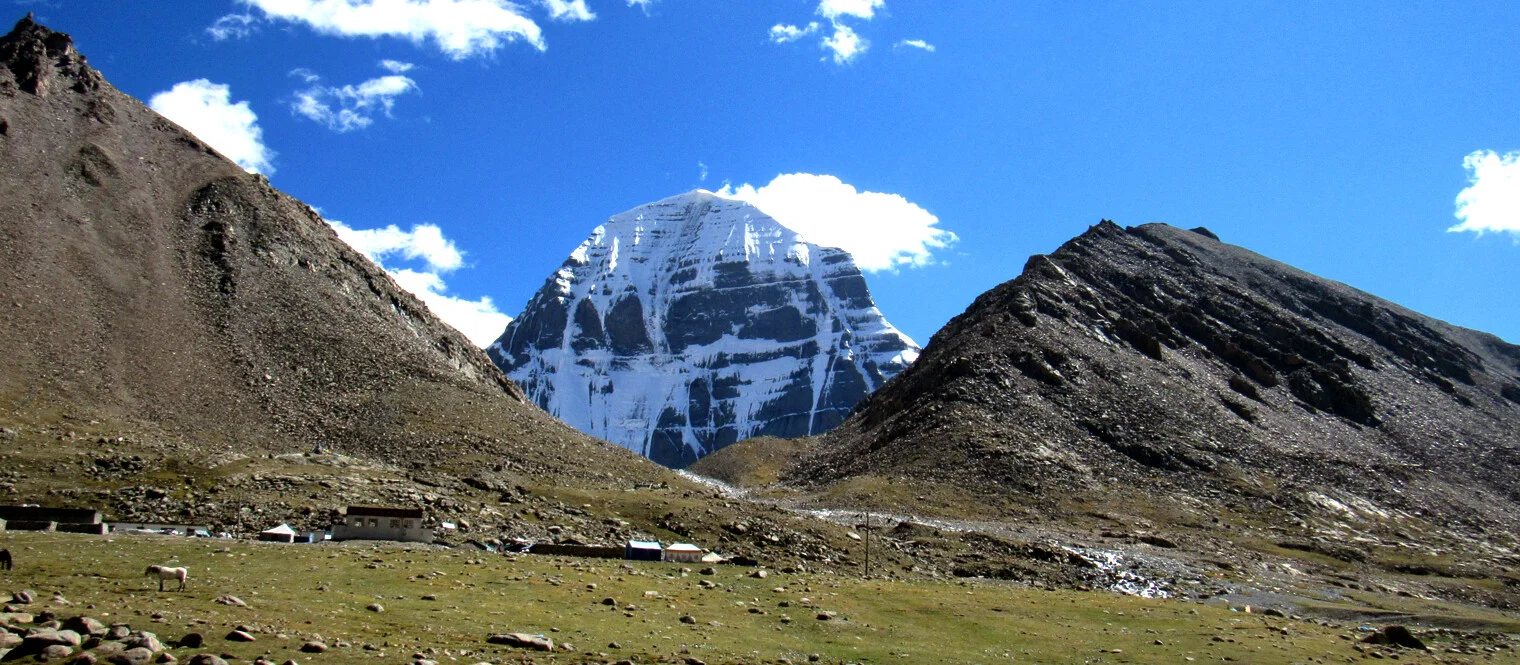
As you approach Lake Manasarovar, the landscape becomes increasingly spectacular, with the sacred lake appearing among the surrounding mountains. Located at approximately 4,590 m (15,059 ft), Lake Manasarovar is one of the highest freshwater lakes in the world and holds deep spiritual significance for Hindus, Buddhists, Jains, and followers of the Bon tradition. Take time to enjoy the peaceful surroundings, admire the turquoise waters, and capture views of the surrounding Himalayan and Gangdise ranges. Weather permitting, you may also get your first clear views of Mount Kailash, whose distinctive pyramid-shaped summit rises to approximately 6,638 m (21,778 ft) above sea level. The combination of the sacred lake, dramatic mountains, and vast open landscape creates one of the most memorable scenes of the journey. Arrival at Lake Manasarovar
Upon arrival, check in to your accommodation and enjoy the serene surroundings of Lake Manasarovar. Take some time to rest after the long drive and appreciate the spectacular high-altitude landscape. The evening provides an opportunity to experience the peaceful atmosphere of this sacred region before continuing towards the Mount Kailash area. Throughout your stay in Tibet, accommodation will be provided in basic standard guest houses, based on twin-sharing rooms with shared bathroom facilities. Breakfast, lunch, and dinner are included throughout the Tibet tour.
After breakfast, begin the day by exploring the sacred surroundings of Lake Manasarovar before continuing towards Darchen, the gateway to Mount Kailash. Lake Manasarovar is situated at approximately 4,590 m (15,059 ft) above sea level, while Darchen lies at approximately 4,670 m (15,322 ft). The approximately 40 km (25 miles) drive from Lake Manasarovar to Darchen takes around 1–1.5 hours, depending on road conditions and stops along the way. The day combines peaceful time beside one of Tibet’s most revered lakes with spectacular views of the high-altitude Himalayan landscape. Lake Manasarovar Exploration
Spend the morning enjoying the serene surroundings of Lake Manasarovar, one of the most important sacred lakes in the Himalayan region. Its clear turquoise waters contrast beautifully with the barren mountains, open valleys, and snow-covered peaks of the surrounding landscape. The lake holds deep spiritual significance for Hindus, Buddhists, Jains, and followers of the Bon tradition. Take time to walk along the lakeshore, enjoy the peaceful atmosphere, take photographs, or simply appreciate the vast Tibetan landscape. Weather permitting, you may also have impressive views of Mount Kailash, whose distinctive pyramid-shaped summit rises to approximately 6,638 m (21,778 ft). The combination of the sacred lake and surrounding mountains creates one of the most memorable landscapes of the journey. Drive to Darchen
After exploring Lake Manasarovar, continue by road towards Darchen, following the route through the rugged landscapes surrounding the Kailash region. The approximately 40 km (25 miles) journey takes around 1–1.5 hours. Along the way, enjoy changing views of barren mountain slopes, high-altitude valleys, open plains, and distant Himalayan peaks. As you approach Darchen, the landscape becomes increasingly dominated by the presence of Mount Kailash, adding to the anticipation of the upcoming pilgrimage trek. Darchen is the principal settlement and starting point for the Mount Kailash kora (circumambulation). Arrival in Darchen
Upon arrival in Darchen, check in to your accommodation and take time to rest and acclimatise before beginning the Mount Kailash kora. Your guide will provide a briefing about the following day's trek, including the route, expected walking conditions, altitude, and preparation for the journey. You can also use the afternoon to organise your daypack, walking equipment, drinking water, and other essentials for the trek. Darchen is situated at approximately 4,670 m (15,322 ft), so taking sufficient rest and staying hydrated is important before starting the high-altitude kora. The evening offers an opportunity to relax and prepare mentally and physically for the sacred journey around Mount Kailash. Throughout your stay in Darchen, accommodation will be provided in a standard 3-star hotel, based on twin-sharing rooms with private bathrooms. Breakfast, lunch, and dinner are included throughout the Tibet tour.
After breakfast, begin the first day of the Mount Kailash kora (circumambulation) from Darchen. The approximately 13 km (8 miles) trek takes around 5–6 hours, depending on walking pace, altitude, trail conditions, and rest stops. The trail gradually leaves Darchen behind and enters the spectacular high-altitude landscape surrounding Mount Kailash, with rugged valleys, rocky terrain, and dramatic views of the sacred mountain. Trek to Dirapuk Monastery
The trail follows the Lha Chu Valley towards Dirapuk Monastery, passing through a remote and increasingly dramatic Himalayan landscape. Along the way, you will encounter prayer flags, mani walls, small shrines, and pilgrims completing the kora on foot. As you continue deeper into the valley, the imposing northern face of Mount Kailash gradually comes into view, creating one of the most remarkable sections of the pilgrimage journey. Take regular breaks along the trail to rest, drink water, and adjust to the high altitude. North Face Views & Overnight at Dirapuk
After reaching Dirapuk Monastery, take time to appreciate the spectacular views of the North Face of Mount Kailash. The monastery is situated at approximately 4,900 m (16,076 ft) and provides a dramatic viewpoint towards the mountain's towering northern face. The afternoon and evening offer an opportunity to rest, photograph the surrounding peaks, and experience the peaceful atmosphere of this remote Himalayan setting. Prepare for the following day's challenging trek towards the Dolma La Pass, the highest point of the Kailash kora. Overnight at a basic standard guest house in Dirapuk, based on twin-sharing rooms with shared bathroom facilities. Breakfast, lunch, and dinner are included throughout the Tibet tour.
After an early breakfast, begin the second and most challenging day of the Mount Kailash kora (circumambulation). The approximately 22 km (14 miles) trek takes around 9–10 hours, making this a long and demanding day at high altitude. The trail climbs steadily from Dirapuk towards Dolma La Pass, the highest point of the kora, before descending through rugged mountain terrain towards Zuthulphuk. Start early to allow sufficient time for the steep ascent, pass crossing, and long descent. Trek to Dolma La Pass
Leave Dirapuk and follow the trail deeper into the valley, gradually gaining altitude as the landscape becomes more rugged and barren. The ascent towards Dolma La Pass is steep and physically demanding, with rocky sections and loose terrain requiring a slow and steady pace. Dolma La Pass stands at approximately 5,630 m (18,471 ft) and is the highest point of the Mount Kailash kora. The high altitude and thin air make this section particularly challenging, so regular rest breaks and adequate hydration are important. Dolma La Pass & Gauri Kund
After reaching the top of Dolma La Pass, take a short rest and appreciate the dramatic high-altitude surroundings. The pass is marked by colourful prayer flags and religious offerings, reflecting its deep spiritual significance. From the pass, the trail descends steeply towards Gauri Kund, a small sacred lake situated at approximately 5,600 m (18,373 ft). The descent can be demanding because of the steep and rocky trail, so careful footing is essential. Descent to Zuthulphuk
Continue descending from the Dolma La area through the rugged landscape of the Lham Chu Valley. As the trail gradually becomes less steep, the surroundings begin to change, with wider valleys, streams, rocky slopes, and more vegetation appearing along the route. The long descent eventually leads towards Zuthulphuk Monastery, the overnight destination for the second day of the kora. Upon reaching Zuthulphuk (4,790 m /15,715 ft), take time to rest and recover after the demanding trek. The monastery and surrounding valley provide a peaceful setting to reflect on the day's journey and prepare for the final section of the Mount Kailash kora the following day. Overnight at a basic standard guest house in Zuthulphuk, based on twin-sharing rooms with shared bathroom facilities. Breakfast, lunch, and dinner are included throughout the Tibet tour.
After breakfast, begin the final day of the Mount Kailash kora (circumambulation) from Zuthulphuk. The approximately 12 km (7.5 miles) trek takes around 3–4 hours, depending on walking pace, trail conditions, and rest stops. After completing the final section of the kora, continue by vehicle towards Lake Manasarovar, with the approximately 40 km (25 miles) drive taking around 45 minutes. Zuthulphuk is situated at approximately 4,790 m (15,715 ft), while Lake Manasarovar lies at approximately 4,590 m (15,059 ft). Complete the Kailash Kora
The final section of the kora follows the valley from Zuthulphuk towards the roadhead, with the trail gradually becoming easier as you leave the more rugged mountain terrain behind. After two demanding days of trekking through high-altitude landscapes, this final section provides an opportunity to walk at a more relaxed pace while reflecting on the spiritual and natural experiences of the journey. Along the route, enjoy views of surrounding mountains, rocky valleys, streams, and the changing landscapes of the Kailash region. Return to Lake Manasarovar
After completing the trek, meet your vehicle and begin the drive towards Lake Manasarovar. The approximately 40 km (25 miles) journey takes around 45 minutes, depending on road and weather conditions. As you approach the lake, the landscape opens into wide valleys and expansive views of the Tibetan Plateau, with distant mountain ranges forming a dramatic backdrop. Lake Manasarovar
Arrive at Lake Manasarovar, situated at approximately 4,590 m (15,059 ft), and take time to rest after completing the Mount Kailash kora. Enjoy the peaceful surroundings of the sacred lake and, weather permitting, admire views of the surrounding mountains and Mount Kailash, rising to approximately 6,638 m (21,778 ft). The return to Lake Manasarovar provides an opportunity to relax and reflect on the completed pilgrimage journey. Arrival & Rest
After arriving at the Lake Manasarovar area, check in to your accommodation and enjoy the remainder of the day at leisure. Take time to recover from the three-day kora, enjoy the tranquil surroundings, and prepare for the next stage of your journey through Tibet. Overnight at a basic standard guest house near Lake Manasarovar, based on twin-sharing rooms with shared bathroom facilities. Breakfast, lunch, and dinner are included throughout the Tibet tour.
After breakfast, depart from Lake Manasarovar and begin the return journey towards Saga. The approximately 495 km (307 miles) drive takes around 7–8 hours, depending on road conditions, weather, and stops along the route. The journey follows the same general route across the vast Tibetan Plateau, passing through remote settlements, high-altitude grasslands, mountain valleys, and the dramatic landscapes of western Tibet. Lake Manasarovar is situated at approximately 4,590 m (15,059 ft), while Saga lies at approximately 4,640 m (15,223 ft). Journey Across the Tibetan Plateau
As you leave the Manasarovar region, continue eastward along the G219 National Highway, passing through the remote landscapes around Paryang and Zhongba. The route offers expansive views of high-altitude grasslands, barren mountain ranges, open valleys, and distant snow-covered peaks. The changing scenery provides another opportunity to appreciate the vast and sparsely populated landscapes of the Tibetan Plateau. Paryang & Zhongba
Continue through Paryang, an important settlement along the route between Lake Manasarovar and Saga. The journey then proceeds towards Zhongba, with long stretches of open plateau, rugged mountains, and traditional nomadic landscapes along the way. Depending on road and weather conditions, short stops may be made for refreshments, photographs, and rest during this long drive. Arrival in Saga
Continue towards Saga, reaching the town in the afternoon or early evening. Saga is situated at approximately 4,640 m (15,223 ft) and serves as an important overnight stop on the trans-Tibetan route. Upon arrival, check in to your accommodation and take time to rest after the long drive. Overnight at a standard 3-star hotel in Saga, based on twin-sharing rooms with private bathrooms. Breakfast, lunch, and dinner are included throughout the Tibet tour.
After breakfast, depart from Saga and begin the scenic return journey towards Shigatse. The approximately 450 km (280 miles) drive takes around 7–8 hours, depending on road conditions, weather, traffic, and rest stops along the way. Saga is situated at approximately 4,640 m (15,223 ft), while Shigatse lies at approximately 3,840 m (12,598 ft). As the route gradually descends from the high-altitude western Tibetan Plateau, the landscape changes from vast open plains and rugged mountain terrain to more settled valleys and cultivated areas around Shigatse. Journey Across the Tibetan Plateau
The drive follows the major highways connecting western Tibet with Shigatse, passing through remote valleys, expansive grasslands, rugged mountain ranges, and high-altitude settlements. The journey offers an opportunity to experience the remarkable scale and diversity of the Tibetan Plateau, with long stretches of open landscapes and distant snow-covered peaks visible along the route. Scenic Landscapes & Tibetan Villages
As you continue eastward, the scenery gradually becomes greener and more varied. Traditional Tibetan villages, grazing areas, cultivated fields, and mountain valleys appear along the route, providing a glimpse into the traditional way of life in the region. Depending on weather and road conditions, short stops can be made along the way to rest, take photographs, and enjoy the surrounding landscapes. Arrival in Shigatse
Continue towards Shigatse, one of the most important cultural and historical centres in Tibet. At approximately 3,840 m (12,598 ft), Shigatse sits at a lower elevation than Saga, providing a gradual descent after several days at higher altitudes. Upon arrival in Shigatse, check in to your hotel and enjoy the remainder of the day at leisure. You can relax at the hotel or take a short walk around the surrounding area if time and energy permit. Overnight at a standard 3-star hotel in Shigatse, based on twin-sharing rooms with private bathrooms. Breakfast, lunch, and dinner are included throughout the Tibet tour.
After breakfast, depart from Shigatse and begin the return journey towards Lhasa along the shorter Friendship Highway. The approximately 270 km (168 miles) drive takes around 6–7 hours, depending on road conditions, weather, traffic, and stops along the way. Shigatse is situated at approximately 3,840 m (12,598 ft), while Lhasa lies at approximately 3,656 m (11,990 ft). Unlike the earlier journey via Yamdrok Lake and Gyantse, today's route follows a more direct road across the Tibetan Plateau. Journey Along the Friendship Highway
The road from Shigatse to Lhasa passes through broad valleys, open grasslands, rugged mountains, and traditional Tibetan settlements. As you travel eastward, the landscape gradually changes from the high, open terrain around Shigatse to more cultivated valleys and settled areas closer to Lhasa. The journey offers a final opportunity to appreciate the expansive scenery of central Tibet. Tibetan Villages & Scenic Landscapes
Along the route, you will pass through small Tibetan communities, agricultural fields, grazing areas, and mountain valleys. Depending on road and weather conditions, short stops can be made along the way to stretch your legs, take photographs, and enjoy the surrounding landscapes. The changing scenery provides a pleasant contrast to the more remote and rugged landscapes experienced earlier in the journey. Arrival in Lhasa
Continue towards Lhasa, gradually descending to approximately 3,656 m (11,990 ft). Upon arrival, check in to your hotel and enjoy the remainder of the day at leisure. After the long journey through western and central Tibet, you can relax at the hotel, take a gentle walk around the surrounding area, or simply enjoy a restful evening in the Tibetan capital. Overnight at a standard 3-star hotel in Lhasa, based on twin-sharing rooms with private bathrooms. Breakfast, lunch, and dinner are included throughout the Tibet tour.
After breakfast, check out from your hotel and prepare for your return journey from Lhasa to Kathmandu. Depending on your flight schedule, depart from Lhasa city and begin the approximately 60 km (37 miles) drive to Lhasa Gonggar Airport, which takes around 1–1.5 hours, depending on road and traffic conditions. Lhasa is situated at approximately 3,656 m (11,995 ft). Scenic Drive to Lhasa Gonggar Airport
Enjoy a final drive through the landscapes surrounding Lhasa as you travel towards the airport. The route passes through broad valleys, mountain scenery, rivers, and traditional Tibetan settlements, providing a final glimpse of the landscapes of central Tibet before your departure. Flight from Lhasa to Kathmandu
Upon arrival at Lhasa Gonggar Airport, complete check-in and departure formalities for your flight to Kathmandu. The flight from Lhasa to Kathmandu takes approximately 1 hr 20 min–1 hr 35 min, depending on the flight schedule and operating conditions. Weather and visibility permitting, enjoy spectacular aerial views of the Himalayan region, with rugged mountain ranges, deep valleys, and expansive high-altitude landscapes visible from the aircraft. Arrival in Kathmandu
Upon arrival at Tribhuvan International Airport in Kathmandu, meet your driver and transfer to Thamel. The approximately 7 km (4.3 miles) transfer takes around 45 minutes, depending on traffic conditions. Upon arrival in Thamel, check in at Kathmandu Guest House and take some time to rest and refresh after your journey. Overnight at Kathmandu Guest House, based on twin-sharing rooms with private bathrooms. Breakfast is included. Afternoon & Evening in Kathmandu
Spend the remainder of the day exploring Thamel at your own pace. Wander through its lively streets, browse local shops and handicraft stores, visit a nearby local market, or relax at one of the cafés and restaurants in the area. You can also take the opportunity to shop for souvenirs, experience the local atmosphere, or simply unwind at the hotel after your return from Tibet. Concluding Your Lhasa, Everest Base Camp & Mount Kailash Tour
As your Lhasa, Everest Base Camp & Mount Kailash Tour comes to an end, take time to reflect on the remarkable experiences of your journey through Tibet and the Himalayas. From the cultural heritage of Lhasa and the dramatic landscapes of the Tibetan Plateau to the spiritual journey around Mount Kailash, the sacred Lake Manasarovar, and the unforgettable views of Everest, this journey brings together some of the region's most remarkable natural and cultural experiences.
Enjoy a free day in Kathmandu at your own pace. You can explore the local markets, browse traditional shops, and experience the lively atmosphere of Kathmandu. Other optional self-guided places to visit include Kathmandu Durbar Square, with its historic temples, courtyards, and traditional architecture; the peaceful Garden of Dreams; and the Narayanhiti Palace Museum, the former royal palace showcasing Nepal’s modern royal history. You can visit these places independently on foot or by rickshaw, depending on your interests and available time. Stay overnight at KGH in a twin-sharing room with a private bathroom and breakfast included.
Your memorable journey through Nepal comes to an end today. Depending on your international flight schedule, enjoy your final moments in Kathmandu at your leisure and have your breakfast at the hotel. For your international departure, we will leave the hotel approximately 4 hours before your scheduled flight time, allowing you to reach Tribhuvan International Airport around 3.5 hours before your flight. Our representative will assist you with the airport transfer and ensure a smooth and comfortable journey to the airport. As you leave Nepal, we hope you take home wonderful memories of the Himalayas, Nepalese culture, warm hospitality, and the experiences shared during your journey. We sincerely thank you for travelling with Jagadamba Holidays and wish you a safe and pleasant journey home. We look forward to welcoming you back to Nepal for another memorable adventure in the future.
Group Size & Pricing
| Group Size (Pax) |
4 - 5 |
6 - 7 |
8 - 9 |
10 - 12 |
13 - 15 |
16 - 18 |
19 - 21 |
22 - 25 |
26 - 32 |
| Cost Per Person |
$6,275 |
$6,195 |
$6,115 |
$6,035 |
$5,955 |
$5,875 |
$5,795 |
$5,715 |
$5,635 |
Cost Include
- All transfers within Nepal and Tibet as per Kailash itinerary.
- Kathmandu–Lhasa–Kathmandu flight as per Kailash itinerary.
- Tibet Travel Permit, Alien's Travel Permit, and Military Permit for Kailash.
- China Group Visa arranged via Kathmandu for the Kailash route.
- Tibet Accommodation — 3 star hotels & basic guesthouses.
- Accommodation in Kathmandu at a three-star hotel with breakfast.
- All meals during the Tibet portion — breakfast, lunch, and dinner.
- Tea or coffee served with meals during the Kailash tour.
- Licensed English-speaking Tibetan guide throughout the Kailash journey.
- Authorized Tibetan ground operators for Kailash route and logistics.
- Travel insurance for Tibetan guides, drivers, and Kailash support crew.
- All expenses of the Tibetan guide and Kailash support crew during the tour.
- Monastery entrance fees and conservation or national park fees.
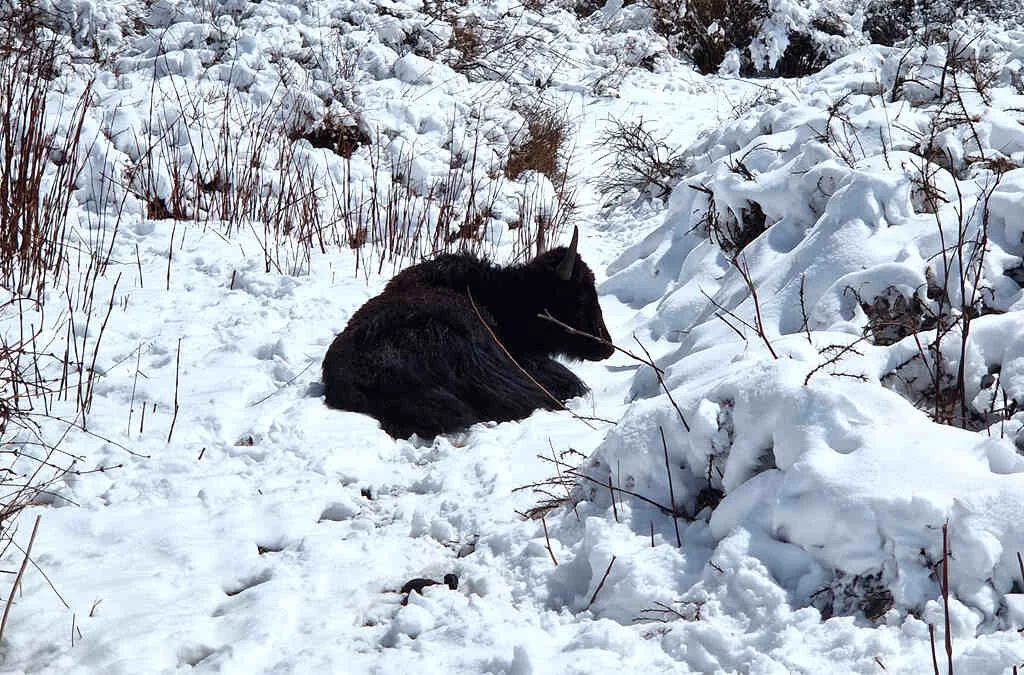
- Kailash Kora support crew including porters or yaks as required.
- Lhasa sightseeing — Potala Palace, Jokhang Temple, Barkhor Street.
- Ground transportation in Tibet by 4WD Land Cruiser or tourist bus.
- Emergency oxygen and basic first-aid support during the Kailash Kora.
- Farewell dinner in Kathmandu before returning home.
Cost Exclude
- Single room or single tent surcharge on request.
- Round-trip or one-way international flight tickets to Nepal.
- Tourist visa for Nepal (30–50 USD depending on length of stay).
- Extra US$ 200 China Group Visa for US and Canadian passport holders.
- Personal insurance covering trip cancellation, AMS, and helicopter rescue.
- Meals in Kathmandu only — all meals during the Tibet portion are included.
- Gratuity for guide, driver, and Kailash Kora crew (9€ / 10 USD per traveller per day).
- Travel insurance covering trip cancellation, AMS, and helicopter rescue.
- Personal travel & trekking equipment for the Mount Kailash Kora period.
- Hotel expenses in case of early return from Kailash for any reason.
- Costs due to flight cancellations, border closures, or extra porters on Kailash route.
- Additional services – personal use yak or porter for Kailash Kora trek.
- Additional costs incurred due to reasons beyond Jagadamba's control.
- Health and safety compliance updates if required in the future.
- Personal expenses during the Kailash tour — phone, WiFi, shower, charging.
- Other costs and things not mentioned in the service inclusion.
- Medical expenses or evacuation costs beyond insurance coverage.
- Extra nights in Kathmandu or Tibet due to delays, border issues, or permit changes.
|



 Trip Overview
 Travel Itinerary
 Cost Includes
 Cost Excludes
 Fixed Departure
 Route Map
 Frequently Asked Questions
 Reviews And Rating