

 Overviews
 Trip Overview
The Himalayan Trilogy Experience is an unforgettable 21-day Nepal, Tibet and Bhutan tour designed for travellers who want to discover the cultural richness, spiritual traditions and spectacular landscapes of three remarkable Himalayan destinations in one comprehensive journey. Combining UNESCO World Heritage Sites, sacred Buddhist monasteries, historic royal cities, traditional Himalayan communities and extraordinary mountain scenery, this adventure offers a fascinating introduction to the diverse cultures and natural beauty of the Himalayan region.
From the ancient temples and lively heritage squares of Kathmandu to the magnificent monasteries of Lhasa, the remote landscapes of the Tibetan Plateau and the peaceful valleys of Bhutan, every stage of this journey reveals a different side of Himalayan life. The itinerary combines guided cultural sightseeing, scenic overland travel, spiritual experiences and carefully arranged international flight connections to create a varied and rewarding travel experience.
Discover Nepal’s Cultural Heritage
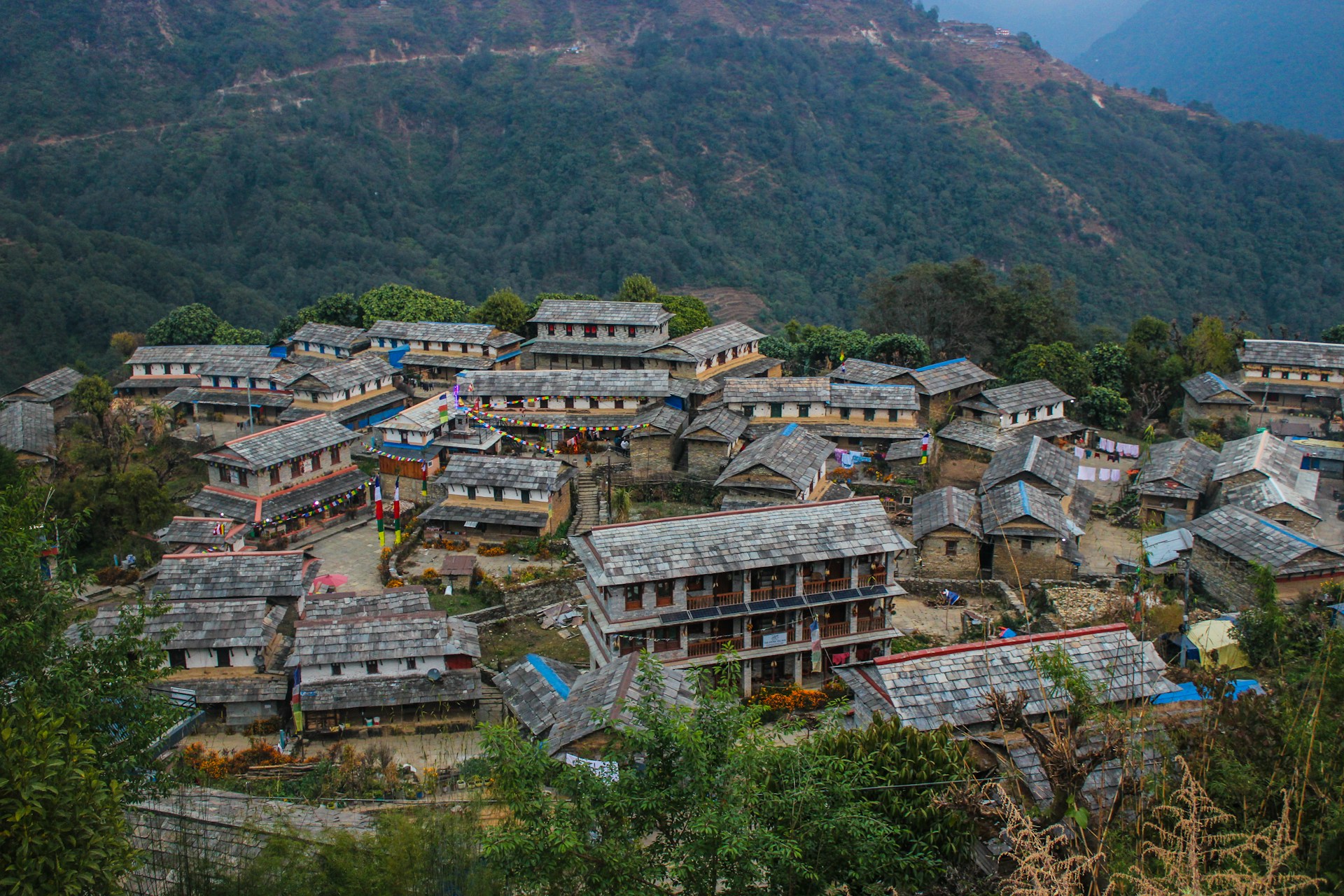
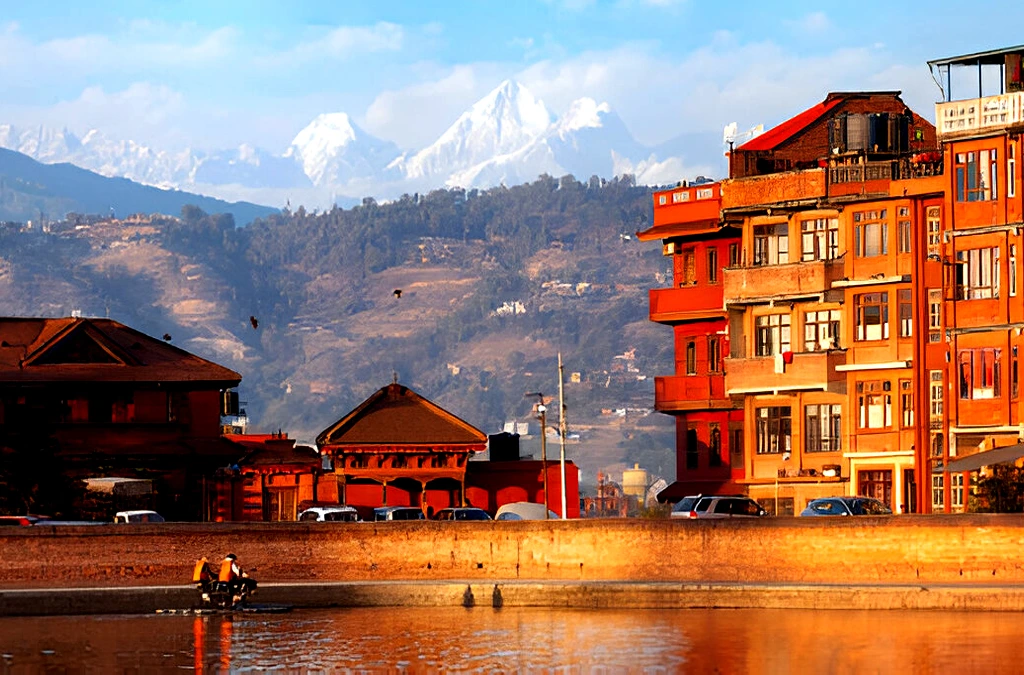
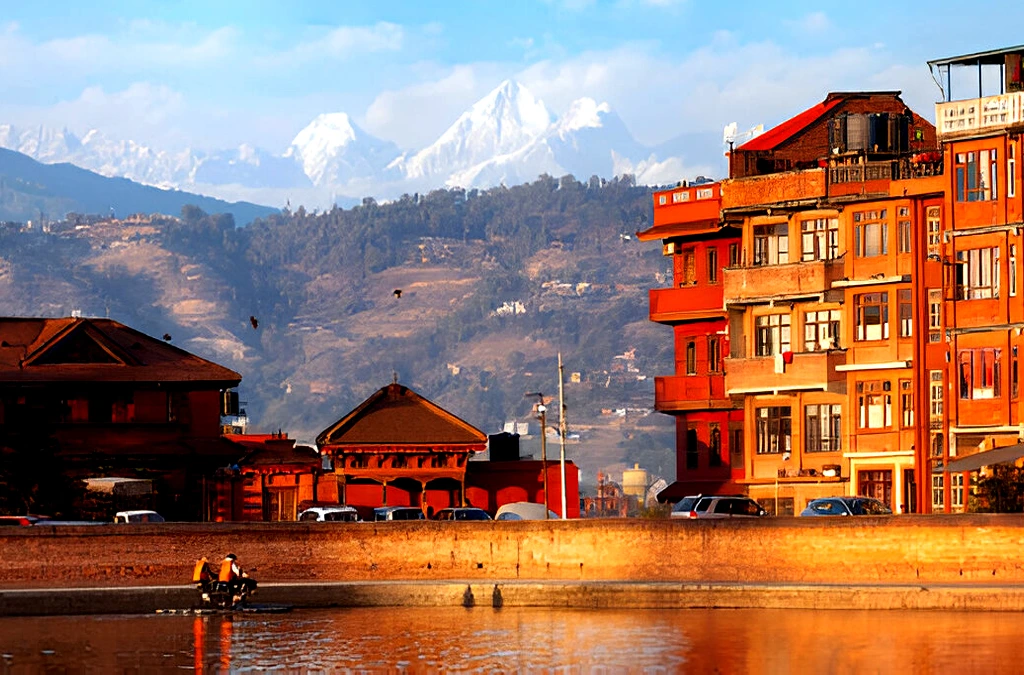
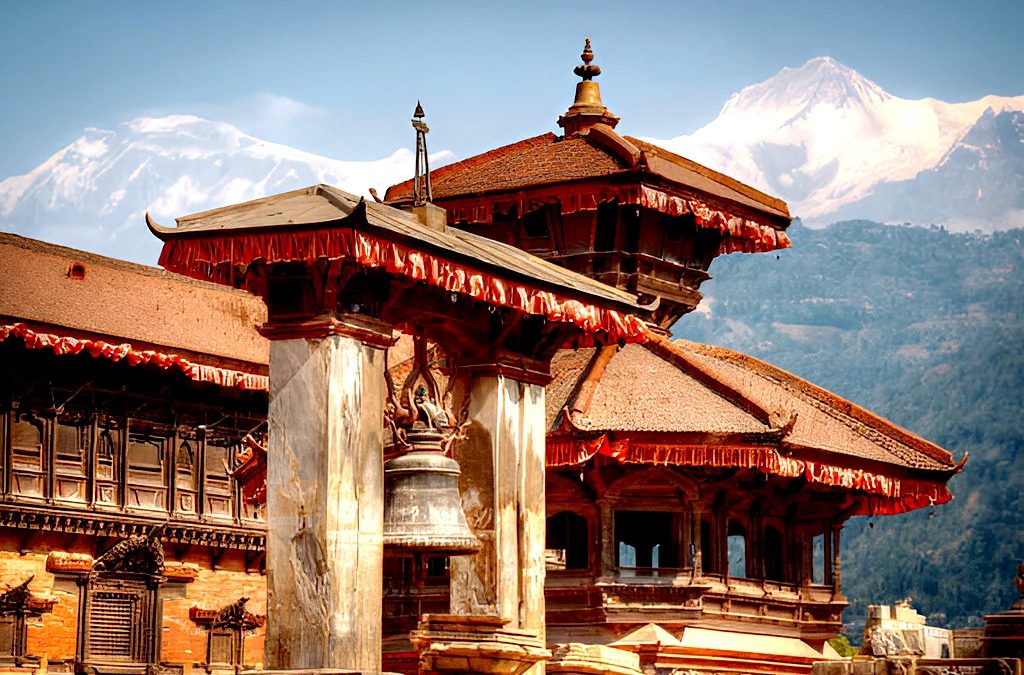
Your journey begins in Kathmandu, the historic capital of Nepal and a vibrant gateway to the Himalayas. The Kathmandu Valley is renowned for its remarkable concentration of UNESCO World Heritage Sites, where centuries-old temples, Buddhist stupas, traditional courtyards and royal palace squares reflect the artistic achievements of the Newar civilisation. Explore the historic heart of Kathmandu, visit sacred Hindu and Buddhist landmarks, and discover the architectural beauty of traditional Newari settlements.
The journey also provides an opportunity to appreciate Nepal’s living cultural traditions, from daily worship at sacred temples to the colourful activity of traditional markets and neighbourhoods. Kathmandu’s unique combination of Hindu and Buddhist heritage provides an ideal introduction to the spiritual traditions that continue across the Himalayan region.
Explore the Spiritual Heart of Tibet
From Kathmandu, travel via Chengdu to Lhasa, the historic spiritual centre of Tibet. Situated on the Tibetan Plateau, Lhasa is celebrated for its monumental architecture, ancient pilgrimage routes and deeply rooted Tibetan Buddhist traditions. Discover the magnificent Potala Palace, once the principal residence of the Dalai Lamas, and visit Jokhang Temple, one of the most sacred destinations in Tibetan Buddhism.
Explore historic streets, traditional Tibetan neighbourhoods and important monasteries that preserve centuries of religious learning and artistic heritage. Depending on the confirmed itinerary, visits may include important monastic institutions around Lhasa, providing insight into Tibetan Buddhist philosophy, rituals and monastic life. The city's prayer wheels, colourful prayer flags, traditional architecture and devotional atmosphere create a memorable cultural experience.
Journey Across the Tibetan Plateau
Leaving Lhasa, travel through some of the most impressive landscapes of the Tibetan Plateau. The route introduces you to high mountain passes, broad valleys, traditional settlements, grazing lands and spectacular views of snow-covered Himalayan peaks. One of the journey’s major highlights is Yamdrok Lake, a striking turquoise lake surrounded by rugged mountains and dramatic high-altitude scenery.
Continue to Gyantse, a historic town known for its traditional architecture and important Buddhist heritage, before travelling to Shigatse, Tibet’s second-largest city and a significant religious and cultural centre. These destinations reveal another dimension of Tibetan life, combining historic monasteries, traditional communities and the expansive scenery of the plateau.
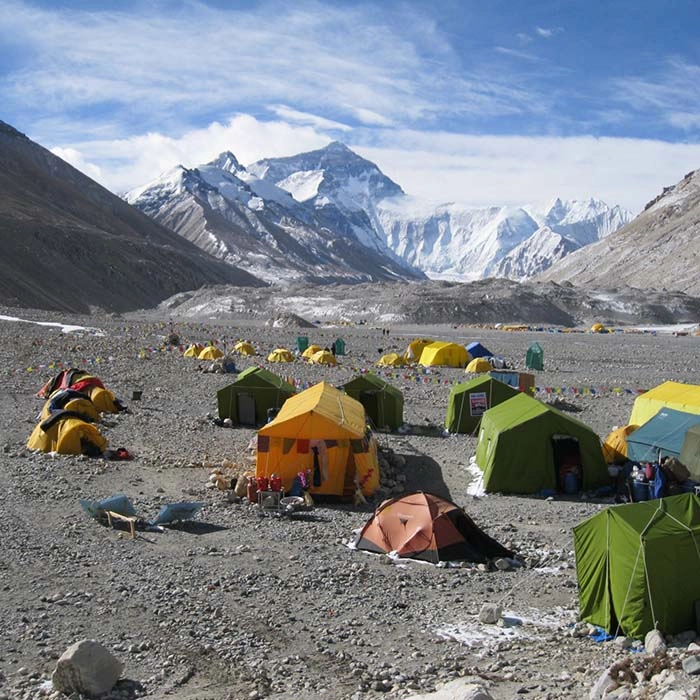
The journey continues towards Everest North Base Camp and Rongbuk Monastery, where the immense northern face of Mount Everest dominates the surrounding landscape. Rongbuk is celebrated for its remarkable mountain setting and spiritual significance, while the Everest area offers an extraordinary perspective on the world's highest mountain. Access to the designated viewing areas depends on the current travel regulations, road conditions, weather and the permits available for your travel dates.
Experience Bhutan’s Peaceful Himalayan Kingdom
After completing the Tibet portion of the journey, return via Chengdu to Kathmandu before continuing to Bhutan. Known for its distinctive Buddhist culture, traditional architecture, forested mountains and carefully preserved heritage, Bhutan offers a peaceful contrast to the vast Tibetan Plateau and the lively atmosphere of Kathmandu.
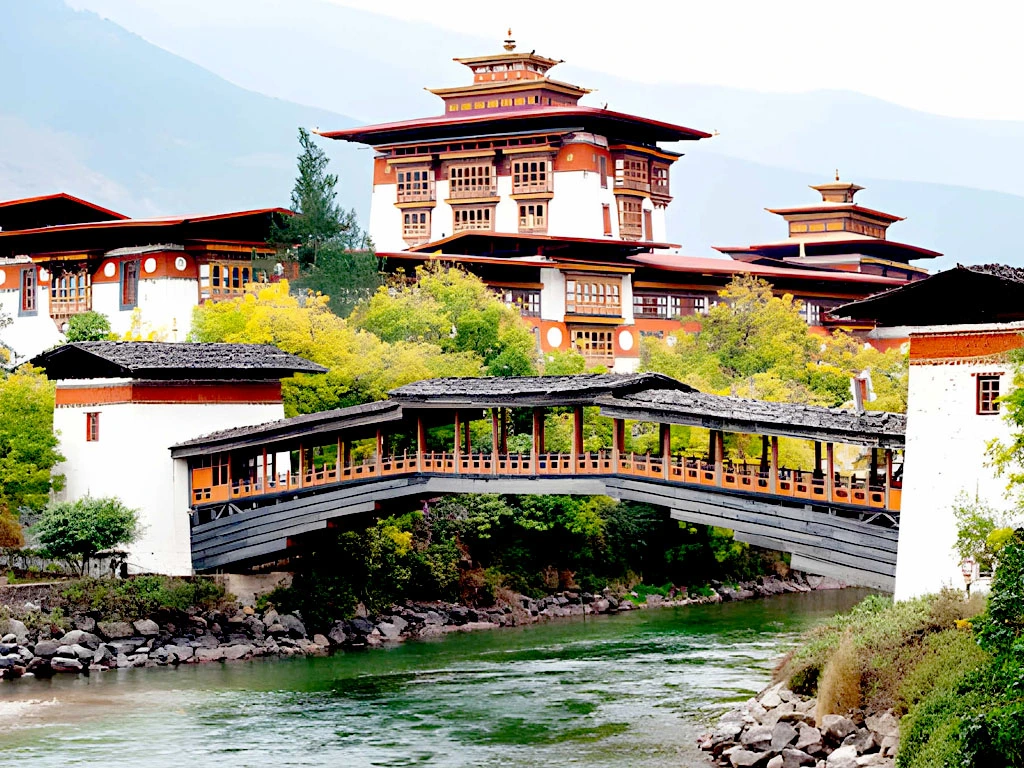
Explore Thimphu, Bhutan’s capital, where modern daily life exists alongside monasteries, traditional buildings, cultural institutions and Buddhist landmarks. Travel over the scenic Dochu La Pass, a mountain crossing renowned for its memorial chortens, prayer flags and views of the Himalayan ranges in favourable weather. Continue to Punakha to discover the magnificent Punakha Dzong, an architectural masterpiece situated at the meeting point of the Pho Chhu and Mo Chhu rivers.
In Paro, experience one of Bhutan’s most celebrated attractions: Tiger’s Nest Monastery, also known as Taktsang Palphug Monastery. Perched dramatically on a cliff above the Paro Valley, this sacred Buddhist site is reached by a steep uphill trail through forested mountain scenery. The hike is physically rewarding and offers a memorable opportunity to appreciate Bhutan’s spiritual heritage and spectacular natural setting.
A Complete Himalayan Cultural and Scenic Experience
The Himalayan Trilogy Experience brings together three destinations with distinct histories, landscapes and traditions. Nepal offers a rich mixture of Hindu and Buddhist heritage, lively historic cities and traditional Himalayan culture. Tibet introduces travellers to monumental monasteries, sacred pilgrimage sites and the vast, high-altitude landscapes surrounding Mount Everest. Bhutan completes the journey with peaceful valleys, distinctive Buddhist architecture, forested mountain roads and the unforgettable experience of visiting Tiger’s Nest Monastery.
With cultural exploration, spiritual discovery, scenic journeys and international flight connections integrated into one itinerary, this 21-day Nepal Tibet Bhutan tour is ideal for travellers seeking more than a conventional holiday. It provides an opportunity to experience the diversity of the Himalayan world while discovering the connections and differences between three extraordinary destinations.
Trip Highlights
Explore Kathmandu’s UNESCO World Heritage Sites, including historic palace squares, sacred temples, Buddhist stupas and traditional Newari architecture.
Discover the magnificent Potala Palace and sacred Jokhang Temple in Lhasa, the spiritual heart of Tibetan Buddhism.
Experience the turquoise waters of Yamdrok Lake, surrounded by dramatic mountains and the expansive landscapes of the Tibetan Plateau.
Visit historic Gyantse and Shigatse to discover Tibetan cultural traditions, ancient architecture and important Buddhist heritage.
Travel towards Everest North Base Camp and Rongbuk Monastery for extraordinary views of Mount Everest and its dramatic northern Himalayan surroundings.
Experience Tibet’s distinctive high-altitude scenery, traditional settlements, mountain passes and sacred religious landmarks.
Discover Thimphu, Bhutan’s capital, with its Buddhist heritage, traditional architecture and cultural attractions.
Cross the spectacular Dochu La Pass and explore Punakha Dzong, one of Bhutan’s most impressive examples of traditional architecture.
Hike to Tiger’s Nest Monastery above Paro Valley for an unforgettable encounter with Bhutan’s spiritual heritage and mountain scenery.
Detailed Destination Experiences
Kathmandu, Nepal – Ancient Temples and Living Traditions
Kathmandu is the cultural starting point of the Himalayan Trilogy Experience. The city brings together historic royal architecture, sacred Hindu temples, Buddhist stupas and lively traditional neighbourhoods. Its heritage sites reveal the artistic skills of generations of Nepali craftsmen through carved wooden windows, stone sculptures, pagoda-style temples and intricately decorated courtyards.
Depending on the sightseeing schedule, visits may include Kathmandu Durbar Square, Swayambhunath Stupa, Boudhanath Stupa and Pashupatinath Temple. These landmarks represent different aspects of Nepal’s religious and cultural traditions. Boudhanath is particularly associated with Tibetan Buddhist communities, while Pashupatinath is one of the most important Hindu pilgrimage sites in Nepal.
Travellers can also enjoy the atmosphere of traditional markets and neighbourhoods, observe daily religious practices and learn about the cultural diversity of the Kathmandu Valley.
Chengdu, China – International Gateway
Chengdu serves as an international transit point for the flight connections between Kathmandu and Lhasa, as well as the return journey before continuing to Bhutan. The precise arrangements depend on the airline schedule, ticket availability and the confirmed itinerary.
An overnight stay or city visit in Chengdu should only be included if it is specifically scheduled. Travellers should check whether their flight connection requires an overnight stop, airport transfer, Chinese entry permission or transit visa, depending on their nationality and current regulations.
Lhasa, Tibet – The Spiritual Capital
Lhasa is one of the most important cultural and religious destinations on the Tibetan Plateau. Its historic landmarks, traditional streets and monasteries offer an introduction to Tibetan Buddhism and the region’s distinctive architectural heritage.
The Potala Palace dominates the city from its elevated position. Its extensive halls, chapels and historic collections reflect Tibet’s religious and political history. Jokhang Temple is an important pilgrimage destination, attracting worshippers who travel from across Tibet to pay their respects.
The Barkhor area around Jokhang Temple is known for its traditional streets, pilgrimage activity and shops selling Tibetan handicrafts and religious items. Depending on the itinerary and local access arrangements, additional monastery visits may provide further insight into Tibetan Buddhist traditions.
Because Lhasa lies at high altitude, the sightseeing programme should allow time for rest and gradual adjustment after arrival.
Yamdrok Lake – Turquoise Waters and Mountain Views
Yamdrok Lake is among Tibet’s most recognisable natural landmarks. Its distinctive turquoise and deep-blue waters contrast beautifully with the surrounding mountains and open plateau landscapes. Scenic viewpoints along the route provide opportunities for photography and appreciation of the region’s dramatic natural setting.
The appearance of the lake varies according to sunlight, weather and season. At high altitude, conditions can change quickly, so warm clothing and sun protection are recommended even during relatively mild weather.
Gyantse – Tibetan Heritage and Traditional Architecture
Gyantse is a historic Tibetan town known for its cultural heritage and traditional architecture. Depending on the confirmed sightseeing arrangements, visitors may explore the historic Gyantse Dzong area and Pelkor Chöde Monastery, renowned for its religious significance and distinctive architectural heritage.
The town offers a different perspective on Tibetan life from the larger urban centre of Lhasa. Its traditional streets, historic buildings and surrounding mountain scenery make it a valuable stop on the overland journey across the plateau.
Shigatse – Monastic Traditions and Tibetan Culture
Shigatse is an important Tibetan city and a centre of religious and cultural life. It is particularly associated with Tashilhunpo Monastery, a major Tibetan Buddhist institution known for its religious heritage, traditional architecture and extensive monastic complex.
A visit to Shigatse provides an opportunity to learn more about Tibetan Buddhist traditions and explore the cultural heritage of the region. It also serves as an important stop on the journey towards the Everest region.
Everest North Base Camp and Rongbuk Monastery
The journey towards Everest North Base Camp is one of the most memorable parts of the Himalayan Trilogy Experience. The surrounding landscape becomes increasingly dramatic as the road crosses high-altitude terrain towards the Himalayan mountain range.
Rongbuk Monastery occupies an extraordinary location near Mount Everest and is widely recognised for its spiritual significance and mountain views. The surrounding region provides a distinctive perspective on Everest’s northern face, with vast open landscapes and snow-covered peaks creating an impressive natural panorama when weather conditions permit.
The exact stopping point, viewing arrangements and accessibility of Everest North Base Camp must be confirmed for the intended travel dates. Access restrictions, local regulations, road conditions and weather can affect how close visitors can travel to the mountain.
Thimphu, Bhutan – Culture and Contemporary Himalayan Life
Thimphu combines Bhutanese traditions with the activities of the country's capital. Its traditional architecture, Buddhist monuments, cultural institutions and local markets provide an introduction to Bhutan’s distinctive identity.
Depending on the sightseeing plan, attractions may include the National Memorial Chorten, Buddha Dordenma, Tashichho Dzong and local handicraft markets. These sites offer insight into Bhutan’s Buddhist traditions, architecture and contemporary cultural life.
The sightseeing programme can be adapted to the confirmed itinerary, opening hours and local arrangements.
Dochu La Pass – Mountain Scenery and Sacred Chortens
Dochu La Pass is a scenic mountain crossing between Thimphu and Punakha. At approximately 3,100 metres above sea level, the pass is known for its collection of memorial chortens and prayer flags. In clear weather, the surrounding Himalayan ranges create a spectacular backdrop.
The pass is an excellent place to appreciate Bhutan’s mountain environment and the relationship between its natural landscapes and Buddhist traditions. Views are weather-dependent, and cloud cover can obscure the distant peaks.
Punakha Dzong – A Masterpiece of Bhutanese Architecture
Punakha Dzong is one of Bhutan’s most impressive historic fortresses and monasteries. Located at the confluence of the Pho Chhu and Mo Chhu rivers, it is celebrated for its whitewashed walls, timber details, traditional paintings and carefully designed courtyards.
The dzong has played an important role in Bhutan’s religious and political history. A visit offers insight into the country’s architectural traditions and the continuing importance of Buddhist institutions in Bhutanese society.
Access to individual buildings and courtyards may be subject to religious activities, official functions and local regulations.
Paro and Tiger’s Nest Monastery – Bhutan’s Iconic Landmark
Paro is a scenic valley surrounded by forested hills, traditional settlements and mountain landscapes. It provides the setting for one of the most celebrated experiences of the entire tour: the hike to Tiger’s Nest Monastery.
Known locally as Taktsang, the monastery is dramatically attached to a cliff high above the Paro Valley. The pilgrimage site is associated with Guru Rinpoche, who is revered for his role in introducing Buddhism to Bhutan.
The hike follows an uphill trail through forested terrain, with designated viewpoints along the route. The walk can be demanding because of the sustained ascent and altitude. Travellers should allow sufficient time, wear suitable walking shoes and carry water. Horse or pony services may be available on part of the ascent under local arrangements, but they do not remove the need to walk the remaining sections.
The experience rewards visitors with a remarkable view of the monastery and an opportunity to appreciate one of Bhutan’s most important spiritual landmarks.
Trip Information
General Trip Details
Tour Name: Himalayan Trilogy Experience
Duration: 21 days, subject to the final day-by-day itinerary
Countries and Regions: Nepal, Tibet Autonomous Region of China, and Bhutan
Starting Point: Kathmandu, Nepal
Ending Point: To be confirmed according to the international departure arrangements
Tour Style: Guided cultural, heritage, spiritual and scenic tour
Main Interests: Himalayan landscapes, Buddhist heritage, UNESCO World Heritage Sites, historic cities, traditional architecture and photography
Transport: International and regional flights, private or shared road transport as specified in the confirmed itinerary
Accommodation: Hotels and guesthouses according to the confirmed accommodation list
Meals: According to the confirmed itinerary and package inclusions
Guide Services: Local guides and tour leaders according to the final arrangements in each destination
Physical Rating: Moderate overall, with a demanding uphill hike to Tiger’s Nest Monastery
Maximum Altitude: High-altitude travel in Tibet; the precise maximum depends on the confirmed road route and viewing point near Everest
Travel Permits: Tibet travel authorisation and any other applicable permits or entry documents
Best Travel Seasons: Generally spring and autumn, subject to regional weather and travel conditions
Suitable For: Culturally curious travellers, couples, small groups, photographers and visitors interested in Himalayan history and spirituality
Accommodation
Accommodation is arranged according to the final itinerary and confirmed hotel availability. In Kathmandu, Lhasa, Chengdu, Thimphu and Paro, accommodation may be in comfortable tourist-standard or higher-category hotels, depending on the selected package. During the Tibet overland journey, accommodation standards and facilities can vary according to the location, availability and local infrastructure.
The exact hotel names, room categories, occupancy arrangements, private bathroom facilities and meal plans should be listed in the detailed itinerary or accommodation schedule. Single-room supplements may apply to travellers requesting individual rooms.
Transportation and Flights
The itinerary includes international flight connections via Chengdu between Kathmandu and Lhasa, followed by a return connection to Kathmandu before continuing to Bhutan. Flight schedules, operating airlines, baggage allowances, connection times and airport transfer arrangements must be confirmed when booking.
Overland travel in Tibet involves long distances, high-altitude roads and changing weather conditions. Private vehicle arrangements, travel times and rest stops should be confirmed in advance. Road journeys may take longer than expected because of road conditions, traffic controls, weather or local restrictions.
Transport within Bhutan should be organised according to the confirmed sightseeing route, including the journey between Thimphu, Punakha and Paro.
Meals and Dining
Meals should be provided according to the final package inclusions. Breakfast is commonly included at hotels, while lunches and dinners may be included on selected travel days or arranged independently.
Travellers can discover a variety of Himalayan cuisines during the journey, including Nepali dal bhat, Tibetan noodle dishes and momos, and Bhutanese specialities such as ema datshi. Vegetarian meals are generally available, but specific dietary requirements, allergies and food preferences should be communicated before departure.
Guide Services
Local guiding arrangements should be confirmed separately for Nepal, Tibet and Bhutan. Depending on the package, sightseeing may be accompanied by licensed local guides, while transfers and longer road journeys may be supported by a dedicated driver and tour coordinator.
Tibet travel arrangements must follow applicable local regulations, including requirements for authorised guides, tour operators and permitted travel routes. Guide services in Bhutan should also comply with current tourism regulations.
Best Time to Visit Nepal, Tibet and Bhutan
Spring and autumn are generally favourable periods for a combined Himalayan journey, although the best conditions vary by destination and altitude.
Spring (March to May): Spring can offer pleasant conditions for cultural sightseeing in Nepal and Bhutan, flowering landscapes in lower valleys and generally favourable opportunities for mountain travel. Conditions on the Tibetan Plateau remain cold at times, especially at high elevations.
Summer and monsoon (June to August): Nepal and Bhutan experience monsoon rainfall, which can affect road travel, visibility and flight operations. Tibet is often relatively drier than Nepal during this period, although weather conditions remain variable and access can still be affected.
Autumn (September to November): Autumn is often a favourable period for Himalayan travel, with potentially clear mountain views and comfortable conditions for sightseeing. However, weather, road access and high-altitude temperatures vary, and late autumn can be particularly cold around Everest.
Winter (December to February): Winter brings cold temperatures, snow and potentially difficult road conditions at high elevations in Tibet. Some sections of the overland route may be affected by weather or seasonal restrictions. A winter departure should only be confirmed after checking route accessibility, transport schedules and accommodation availability.
For a tour combining all three destinations, travel dates should be selected according to the conditions in Tibet as well as those in Nepal and Bhutan.
Physical Fitness and Altitude
This is primarily a cultural and scenic tour rather than a trekking expedition. However, the journey involves high-altitude travel in Tibet, potentially lengthy road transfers and considerable walking during sightseeing.
Lhasa is located at approximately 3,650 metres above sea level, and the Everest region involves substantially higher elevations depending on the final route and permitted viewing point. Travellers may experience shortness of breath, headaches, disturbed sleep or fatigue at altitude. The itinerary should allow adequate time for acclimatisation, particularly after arrival in Lhasa.
The hike to Tiger’s Nest Monastery involves a sustained uphill ascent and descent. A reasonable level of fitness, comfortable footwear and the ability to walk for several hours are recommended. Travellers with concerns about high-altitude travel or strenuous walking should seek medical advice before booking.
Anyone developing severe headache, confusion, difficulty walking, breathlessness at rest or other serious symptoms at altitude should stop ascending and seek urgent medical assistance.
Visa, Permits and Entry Requirements
The Himalayan Trilogy Experience involves three destinations with separate entry and travel requirements. Travellers must ensure that their passports, visas, permits and travel documents are valid for the entire journey.
Nepal: Entry visa requirements depend on nationality, passport type and current immigration rules. Travellers should check the applicable Nepal visa arrangements before departure.
Tibet: Foreign travellers generally require a pre-arranged Tibet Travel Permit and may need additional authorisations for specific destinations or restricted areas. The tour operator must confirm which documents are required for the route, including travel towards the Everest region. Independent travel may be restricted.
China and Chengdu: Depending on nationality, the flight itinerary and the nature of the transit, travellers may require a Chinese visa or may qualify for an applicable transit arrangement. Eligibility and conditions must be checked using current official guidance.
Bhutan: Entry requirements depend on nationality and current tourism policies. Depending on eligibility, visitors may need a visa or other approved entry documentation, and applicable tourism fees or sustainable development charges may apply.
Travellers should not assume that a visa or entry permission for one destination covers the others. All requirements should be checked against official sources before tickets and accommodation are finalised.
What to Pack
Because the tour covers tropical and subtropical valleys as well as high-altitude Himalayan regions, clothing should be suitable for a wide range of temperatures.
Recommended items include:
Layered clothing, including thermal base layers and a warm fleece or insulated jacket.
A windproof and waterproof outer jacket.
Comfortable walking shoes with good grip.
Sun hat, sunglasses and high-SPF sunscreen.
Personal medication and any prescribed altitude-related medication.
A reusable water bottle and personal toiletries.
A small daypack for sightseeing and the Tiger’s Nest hike.
Passport, visas, permits, travel insurance documents and copies of important bookings.
Camera, spare batteries and charging equipment suitable for the destinations visited.
Modest clothing suitable for temples, monasteries and other religious sites.
Temperatures around the Everest region can be very low, even when conditions in Kathmandu or Bhutan’s lower valleys are relatively mild.
Responsible and Respectful Travel
The Himalayan Trilogy Experience passes through culturally significant communities and sacred religious sites. Visitors should respect local customs, religious practices and environmental guidelines throughout the journey.
Dress modestly when visiting temples and monasteries, follow instructions about photography, remove shoes where required and avoid disturbing religious ceremonies. Ask permission before photographing local people, monks or private religious activities.
Help protect the natural environment by avoiding litter, reducing single-use plastics where practical and following local guidance at mountain viewpoints and protected areas. Travellers should also respect local regulations concerning wildlife, historic buildings and restricted religious spaces.
What Is Included and Excluded?
The final inclusions and exclusions must be matched to the confirmed itinerary and quotation. The following is a suggested structure for the website; it should not be treated as a confirmed contractual list until each item has been checked.
Suggested Inclusions
Accommodation for the scheduled nights, according to the confirmed hotel list and room arrangements.
International and regional flights specifically listed in the final itinerary.
Airport transfers and ground transportation specified in the package.
Sightseeing and entrance fees explicitly included in the confirmed programme.
Local guide services where stated in the package.
Tibet travel permit arrangements handled by the authorised operator, as specified in the quotation.
Meals listed as included in the day-by-day itinerary.
Bhutan entry and tourism-related arrangements only where expressly included in the quotation.
Suggested Exclusions
International flights not listed as included.
Nepal, China or Bhutan visa fees, where applicable and not specifically included.
Travel insurance, including cover for high-altitude travel and emergency evacuation.
Meals not specified as included.
Personal expenses, drinks, laundry, tips and optional activities.
Additional accommodation caused by flight delays, weather disruption or itinerary changes, unless covered by the agreed package terms.
Additional permits, transport or entrance fees arising from changes in regulations or the route, unless expressly included.
Single-room supplements or room-category upgrades not included in the original quotation.
The final quotation should clearly identify any government charges, permit fees, tourism levies, flight costs and cancellation-related expenses that are included or excluded.
Important Travel Notes
The itinerary is subject to airline schedules, flight availability, border and immigration regulations, permit approvals and local travel conditions.
Flights via Chengdu must be checked carefully to ensure adequate connection time and compliance with applicable transit requirements.
Access to Everest North Base Camp and designated viewpoints may change because of local regulations, weather, road conditions or temporary restrictions.
High-altitude travel can be physically demanding. The pace of sightseeing and time allowed for acclimatisation should be confirmed before departure.
Weather can affect road journeys, flight operations and visibility across the Himalayas.
The final order of sightseeing may change because of opening hours, religious events, transport schedules or local instructions.
Travellers should carry suitable travel insurance that explicitly covers the activities, destinations and elevations involved.
Passport details and required travel documents should be submitted within the time frame specified by the tour operator to allow permits and reservations to be processed.
Frequently Asked Questions
How long is the Himalayan Trilogy Experience?
The Himalayan Trilogy Experience is designed as a 21-day journey through Nepal, Tibet and Bhutan. The exact number of nights in each destination and the international flight arrangements should be confirmed in the detailed day-by-day itinerary.
Which countries and regions does the tour cover?
The journey covers Nepal, the Tibet Autonomous Region of China and Bhutan. Chengdu is used as an international flight connection point according to the proposed route.
What are the main highlights of this tour?
Major highlights include Kathmandu’s cultural heritage, Potala Palace and Jokhang Temple in Lhasa, Yamdrok Lake, Gyantse, Shigatse, the Everest North Base Camp region, Rongbuk Monastery, Thimphu, Dochu La Pass, Punakha Dzong and Tiger’s Nest Monastery.
Can travellers visit Everest North Base Camp from Tibet?
Access depends on current regulations, permits, road conditions and the designated visitor area available on the travel dates. The tour operator should confirm the precise route and viewing arrangements before departure.
Is the tour suitable for first-time visitors to the Himalayas?
Yes, the tour is primarily cultural and scenic rather than a multi-day trekking expedition. However, the high elevations in Tibet and the uphill hike to Tiger’s Nest Monastery require preparation, and travellers should be comfortable with extended road journeys and walking.
Do I need a guide in Tibet?
Foreign visitors to Tibet generally need to travel through authorised arrangements, with the required permits, guiding and transportation organised according to current regulations. The tour operator should confirm the exact requirements for the itinerary.
What is the best time to take this tour?
Spring and autumn are generally favourable for a combined Nepal, Tibet and Bhutan itinerary. The final choice should take account of high-altitude weather, road accessibility, flight schedules and the conditions expected around Everest.
Is the Tiger’s Nest Monastery hike difficult?
The hike is moderately to highly demanding for some visitors because of the sustained uphill climb and descent. A reasonable level of fitness, suitable footwear, regular breaks and sufficient time are recommended.
What type of accommodation is provided?
Accommodation depends on the selected package and confirmed availability. The final itinerary should specify hotel names or categories, room types, occupancy, bathroom facilities and included meals.
Are flights included in the package?
Only flights explicitly listed in the final quotation should be considered included. The proposed route uses flight connections via Chengdu between Kathmandu and Lhasa, with a return to Kathmandu before continuing to Bhutan. All sectors, baggage conditions and connections should be confirmed before booking.
Is travel insurance necessary?
Comprehensive travel insurance is strongly recommended. It should cover medical treatment, emergency evacuation and the high-altitude conditions relevant to the itinerary, subject to the insurer’s terms.
What should travellers know before booking?
Travellers should check passport validity, visa eligibility, Tibet permit requirements, Bhutan entry requirements, flight connections, altitude considerations, insurance coverage and the confirmed package inclusions before making a final booking.
Book Your Himalayan Trilogy Experience
Discover three extraordinary Himalayan destinations on one remarkable journey. From Nepal’s ancient temples and historic cities to Tibet’s sacred monasteries and the awe-inspiring landscapes of Everest, followed by Bhutan’s peaceful valleys and iconic Tiger’s Nest Monastery, the Himalayan Trilogy Experience offers a rich combination of culture, spirituality and mountain scenery.
Contact our team to confirm travel dates, flight arrangements, accommodation options, permits and the final itinerary for your 21-day Nepal, Tibet and Bhutan tour.
 Travel Itinerary
 Cost Includes
 Cost Excludes
 Fixed Departure
 Route Map
 Frequently Asked Questions
 Reviews And Rating