


 Overviews
 Trip Overview
Nepal is a country where ancient spiritual traditions, diverse cultures and extraordinary natural landscapes come together. The Nepal Sacred Nature Tour is a 12-day cultural and wildlife journey designed for travellers who want to explore the country's heritage while experiencing its remarkable biodiversity. Travelling through Kathmandu, Chitwan National Park, Lumbini and Bardiya National Park, this journey combines historic monuments, Buddhist pilgrimage sites, traditional communities and immersive jungle safari experiences.
Unlike a holiday focused on a single destination, this journey explores two distinctive sides of Nepal: its sacred cultural heritage and its rich natural environment. From the historic temples and Buddhist stupas of Kathmandu to the peaceful monasteries of Lumbini and the tropical wilderness of the Terai, each destination offers a different perspective on Nepalese life, history and nature.
Kathmandu: Ancient Heritage and Living Traditions
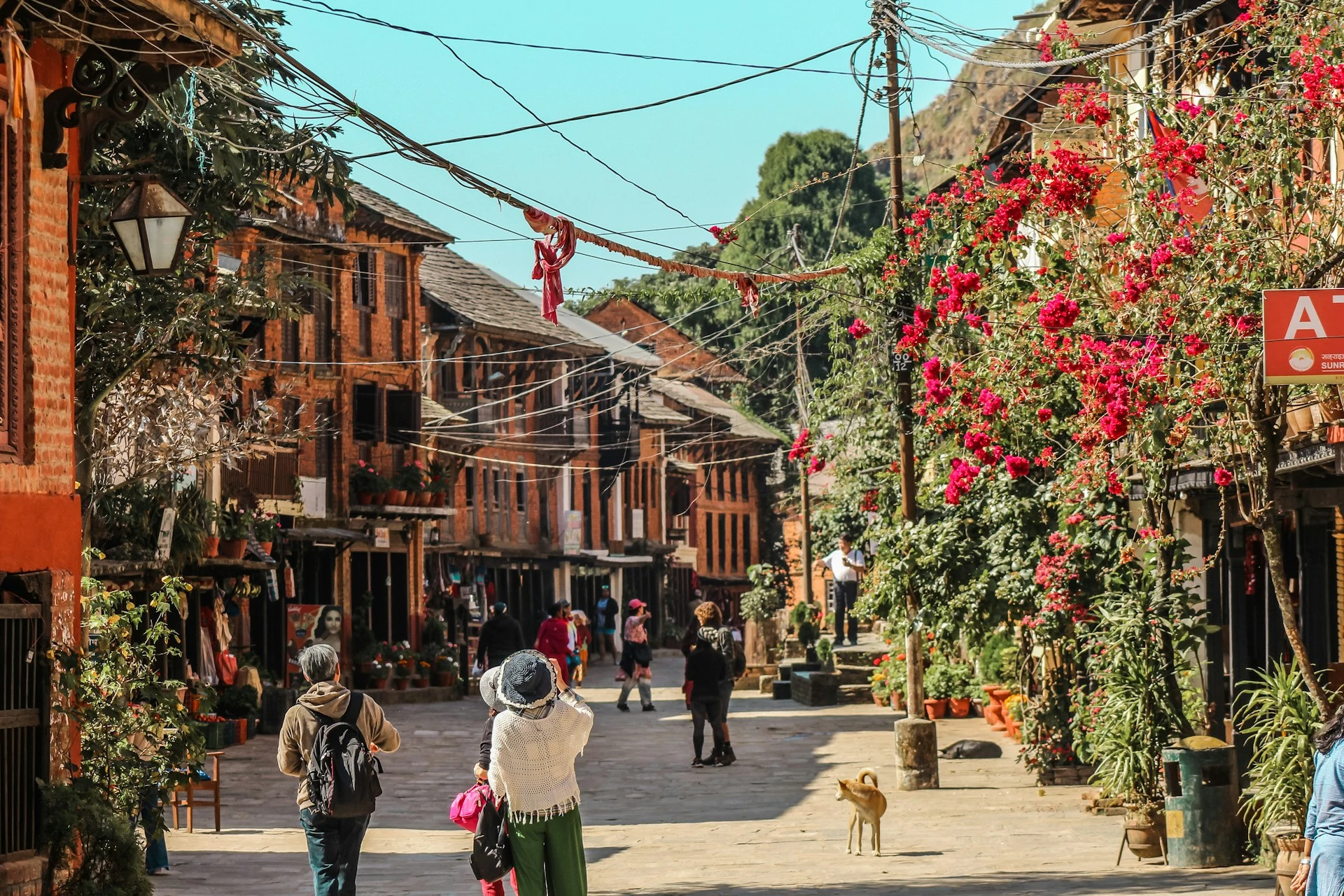
The journey begins in Kathmandu, the cultural heart of Nepal and a fascinating introduction to the country's religious and architectural heritage. The Kathmandu Valley is home to several UNESCO World Heritage Sites, including ancient royal squares, Hindu temples and important Buddhist monuments. Its historic streets, traditional courtyards, pagoda-style architecture and colourful local markets reflect centuries of artistic achievement and cultural exchange.
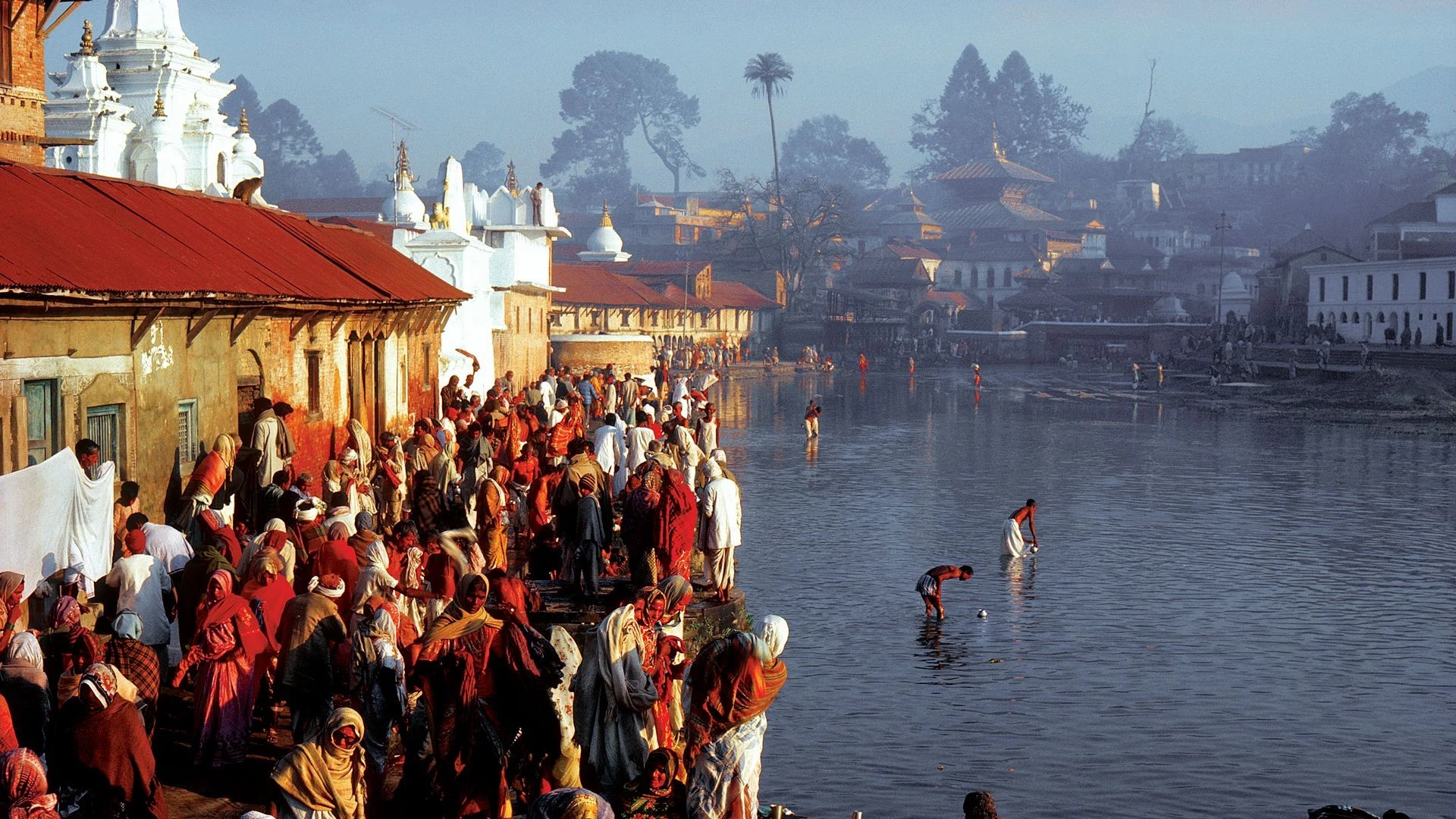
Explore important landmarks such as Kathmandu Durbar Square, Swayambhunath Stupa, Boudhanath Stupa and Pashupatinath Temple. These sacred sites reveal the close relationship between Hinduism and Buddhism in Nepal, where different religious traditions have coexisted for generations. Observe traditional rituals, prayer ceremonies, spinning prayer wheels and the daily activities of local communities. Kathmandu offers more than historical sightseeing; it provides an opportunity to understand the spiritual values and living traditions that continue to shape Nepalese society.
Chitwan National Park: Jungle Safari and Wildlife Encounters
From Kathmandu, travel south to the subtropical lowlands of the Terai and discover Chitwan National Park, one of Nepal's most celebrated wildlife destinations. Recognised as a UNESCO World Heritage Site, Chitwan protects an extensive landscape of sal forests, riverine woodland, open grasslands, wetlands and river systems. These varied habitats support an impressive range of wildlife, making the park an important destination for nature enthusiasts and safari travellers.
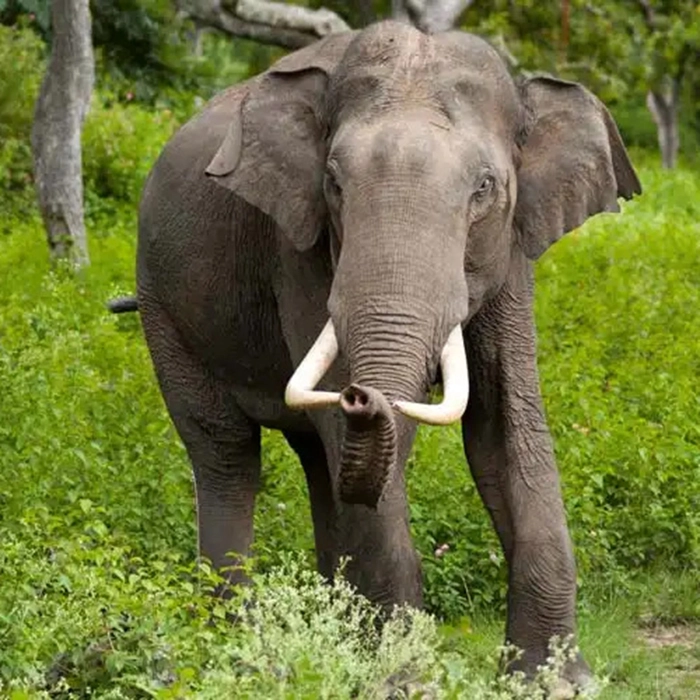
Chitwan is particularly famous for its endangered greater one-horned rhinoceros and Royal Bengal tiger. Other wildlife includes Asian elephants, sloth bears, leopards, wild boars, several species of deer, gharial crocodiles and numerous reptiles. The park is also an excellent destination for birdwatching, with resident and migratory birds found around its rivers, wetlands and forest habitats.
Enjoy guided jungle activities that provide opportunities to explore the park and understand its natural environment. Depending on the arrangements, season and park regulations, activities may include jeep safaris, guided nature walks, canoe excursions and birdwatching. Accompanied by experienced local naturalists and guides, learn about animal behaviour, forest ecosystems, wildlife conservation and the importance of protecting Nepal's natural heritage. Although wildlife sightings cannot be guaranteed, exploring these natural habitats is an experience in itself.
Chitwan also offers an opportunity to discover the distinctive culture of the Tharu people, an indigenous community of the Terai. Visit traditional settlements, learn about local lifestyles and experience their customs, architecture, music and cultural performances. Their close relationship with the surrounding forests, rivers and agricultural landscapes provides another fascinating dimension to the visit.
Lumbini: The Sacred Birthplace of Buddha
Continue westwards to Lumbini, one of the world's most important Buddhist pilgrimage destinations and the birthplace of Siddhartha Gautama, Lord Buddha. Recognised as a UNESCO World Heritage Site, Lumbini is a place of profound historical and spiritual significance, attracting pilgrims, scholars and visitors from around the world.
The centrepiece of the pilgrimage area is the Maya Devi Temple, marking the traditional birthplace of Buddha. Nearby, the Ashoka Pillar provides historical evidence of Emperor Ashoka's visit to Lumbini in the third century BCE. Explore the Sacred Garden, where ancient archaeological remains, peaceful surroundings and important religious landmarks create an atmosphere of reflection and tranquillity.
The Lumbini Monastic Zone is another highlight. It features monasteries, temples and meditation centres established by Buddhist communities from different countries, including Nepal, Thailand, Myanmar, China, Japan and other parts of the world. Their distinctive architectural designs and religious traditions reflect the international influence of Buddhism and its enduring message of peace, compassion and harmony.
A visit to Lumbini offers more than a historical excursion. It provides an opportunity to understand the origins of Buddhism, appreciate its cultural influence and experience one of Nepal's most peaceful spiritual destinations. For travellers interested in religion, philosophy, architecture and cultural heritage, Lumbini is an essential part of the journey.
Bardiya National Park: Remote Wilderness and Deeper Wildlife Exploration
The journey continues to western Nepal and Bardiya National Park, one of the country's most rewarding destinations for travellers seeking a quieter and more immersive wildlife experience. Compared with Chitwan, Bardiya receives fewer visitors and offers a more remote wilderness atmosphere, with extensive forests, open grasslands, riverine habitats and wetlands.
Bardiya is particularly important for the conservation of the Royal Bengal tiger and is one of Nepal's key tiger habitats. The park is also home to greater one-horned rhinoceroses, wild Asian elephants, swamp deer, spotted deer, leopards, wild boars, gharial crocodiles and many other species. Its diverse habitats also support rich birdlife, making the park an appealing destination for birdwatchers and nature enthusiasts.
Wildlife exploration in Bardiya can be especially rewarding for visitors who want to spend more time discovering natural habitats. Guided jeep safaris, walking safaris where permitted, and birdwatching excursions offer different ways to experience the wilderness. Accompanied by knowledgeable local guides and naturalists, explore forest trails, grasslands and riverbanks while learning about animal tracks, wildlife behaviour and conservation programmes.
The Karnali River is another important feature of the region. Its surrounding riverine habitats support diverse aquatic and terrestrial wildlife, including the endangered Gangetic river dolphin in the wider river system. The river landscape also provides opportunities to observe birds and enjoy the natural scenery of western Nepal.
Bardiya's appeal lies not only in the possibility of spotting iconic wildlife but also in the experience of exploring a less-developed safari destination. The quieter surroundings, extensive natural habitats and local guiding knowledge make it an excellent complement to a visit to Chitwan National Park.
Tharu Culture and Traditional Communities
Beyond the national parks, the Terai region is home to distinctive communities whose traditions and lifestyles form an important part of Nepal's cultural diversity. The Tharu people have a particularly strong connection with the forests, rivers and agricultural landscapes of southern Nepal.
During the journey, discover traditional Tharu settlements, local architecture, cultural customs, traditional food and community life. Depending on the location and arrangements, visitors may also enjoy traditional music and dance performances. These encounters provide a more personal understanding of rural Nepal and the relationship between local communities and their natural surroundings.
Experiencing both Chitwan and Bardiya also offers an opportunity to appreciate regional differences in Tharu traditions and lifestyles. Their traditional knowledge of local plants, wildlife, farming and forest environments is an important part of the cultural heritage of the Terai.
Two National Parks, Two Different Safari Experiences
One of the most distinctive features of this journey is the opportunity to visit both Chitwan and Bardiya National Parks. Although both protect important wildlife habitats in Nepal's southern lowlands, they offer different safari experiences.
Chitwan is an established wildlife destination with diverse forest and grassland habitats, well-developed safari facilities and opportunities for several types of jungle activities. Bardiya, on the other hand, offers a more remote and quieter wilderness experience, with extensive natural landscapes and fewer visitors.
Visiting both parks provides a broader understanding of Nepal's biodiversity, wildlife conservation efforts and the importance of protecting natural habitats. It also allows travellers to experience two different regions of the Terai rather than limiting their safari experience to a single national park.
A Journey Connecting Nature, Culture and Spirituality
The Nepal Sacred Nature Tour brings together some of the country's most fascinating cultural, spiritual and natural destinations in one journey. Kathmandu introduces Nepal's ancient civilisation and living religious traditions, Chitwan offers exciting jungle exploration and wildlife encounters, Lumbini provides a peaceful connection with Buddhist heritage, and Bardiya reveals the quieter wilderness of western Nepal.
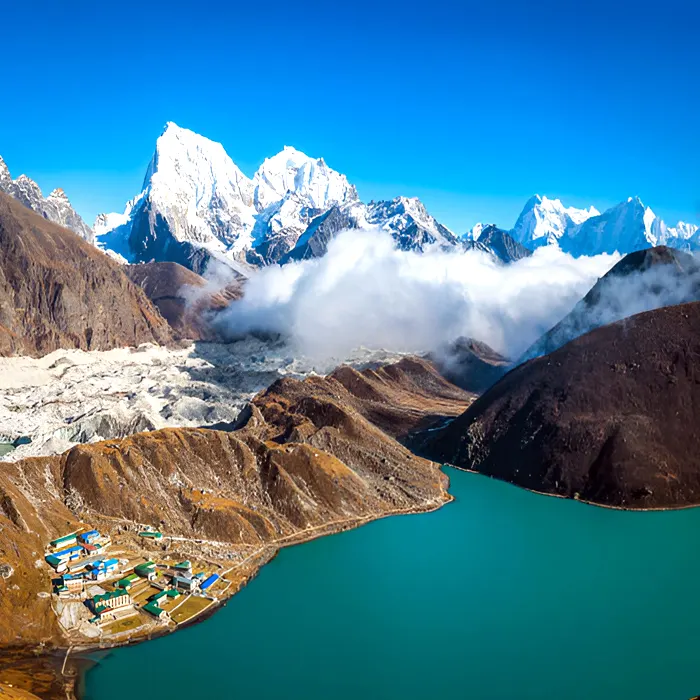
From ancient temples and sacred monasteries to tropical forests, grasslands and winding rivers, this journey presents a diverse picture of Nepal beyond the familiar Himalayan trekking routes. It is particularly suitable for travellers who want to combine meaningful cultural experiences with extended wildlife exploration.
Whether discovering historic monuments, learning about Buddhist traditions, visiting traditional villages, observing wildlife or exploring protected natural landscapes, every destination adds a different dimension to the experience.
For travellers interested in authentic culture, spiritual heritage, nature and in-depth jungle safaris, this 12-day journey offers a rewarding way to discover the cultural soul and natural richness of Nepal.
 Travel Itinerary
 Cost Includes
 Cost Excludes
 Fixed Departure
 Route Map
 Frequently Asked Questions
 Reviews And Rating