NEPAL PREMIUM RUNDREISE
US$1,400.00
/pp
-
11 Days
-
Nepal
-
Spring/Autumn
-
Sightseeing
-
1,750 meters
-
Easy
-
Car / Plane
-
01-16 People
-
JH#315X
 Overviews
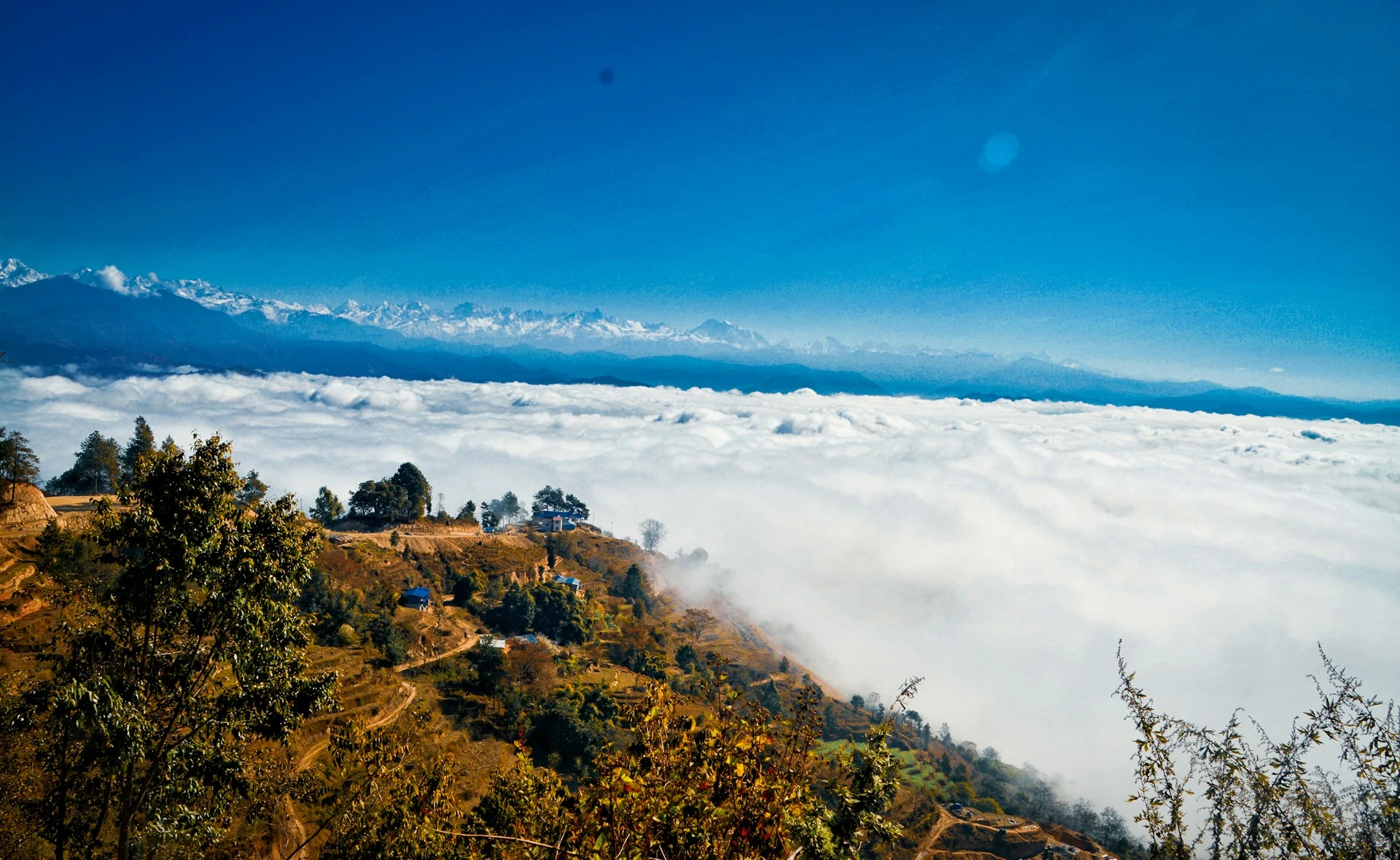
Nepal is a land of extraordinary cultural and natural diversity, renowned for the Himalayas, ancient cities, sacred temples, Buddhist monasteries, historic kingdoms, traditional villages, and rich wildlife. Home to Mount Everest and eight of the world's fourteen highest mountains, Nepal offers an exceptional combination of mountain landscapes, living cultures, spiritual traditions, and adventure within a relatively compact destination. The Nepal Premium Rundreise introduces travelers to this remarkable diversity through a carefully designed journey across the country. This journey brings together three of Nepal's most celebrated destinations: Kathmandu, Pokhara, and Chitwan, while also introducing the lesser-known cultural treasures of Namo Buddha, Gorkha, and Bandipur. From the historic streets and heritage squares of the Kathmandu Valley to the Himalayan views and peaceful lakes of Pokhara and the wildlife of Chitwan National Park, the itinerary presents a diverse cross-section of Nepal. Nepal is also a meeting place of Hindu and Buddhist traditions, reflected in its temples, stupas, monasteries, festivals, rituals, and everyday life. The journey visits important spiritual sites such as Namo Buddha, Swayambhunath, and Pashupatinath, while historic places including Kathmandu Durbar Square, Patan Durbar Square, Bhaktapur Durbar Square, Gorkha Durbar, and Bandipur reveal Nepal's royal, architectural, and Newari heritage. The Nepal Premium Rundreise brings these cultural experiences together with the country's natural and historical attractions. With its combination of UNESCO World Heritage Sites, living religious traditions, Himalayan scenery, historic hill towns, local culture, and Chitwan's wildlife, this itinerary offers a well-balanced introduction to Nepal—ideal for travelers seeking to experience the country's culture, nature, history, and people in one carefully designed journey. The Nepal Premium Rundreise provides a comfortable and enriching way to discover the many faces of Nepal.
Itinerary (Plan)
Upon arrival at Tribhuvan International Airport in Kathmandu, you will be welcomed and transferred to your hotel. The rest of the morning is reserved for rest, orientation, and adjusting to Kathmandu, allowing you to settle comfortably into the atmosphere of Nepal’s vibrant capital. In the afternoon, begin your first introduction to Kathmandu with a cycle rickshaw tour through the old streets of the city. This traditional form of transport offers an intimate way to explore the narrow lanes, historic courtyards, temples, and everyday local life of old Kathmandu. Continue to Kathmandu Durbar Square, a UNESCO World Heritage Site and one of the valley’s most important historical landmarks. Explore the Hanuman Dhoka Palace, Kumari Ghar, Jagannath Temple, and Kal Bhairav, while discovering the intricate wood carvings, stone sculptures, courtyards, and religious traditions that have shaped Kathmandu for centuries. The square lies at approximately 1,370 m. In the evening, explore the lively local markets of Thamel or Asan Tole, where you can browse spices, traditional thangkas, handicrafts, trekking gear, and other local products. You can also sample popular Nepali snacks such as momo and chatamari, making this a relaxed introduction to Kathmandu’s food and street culture.
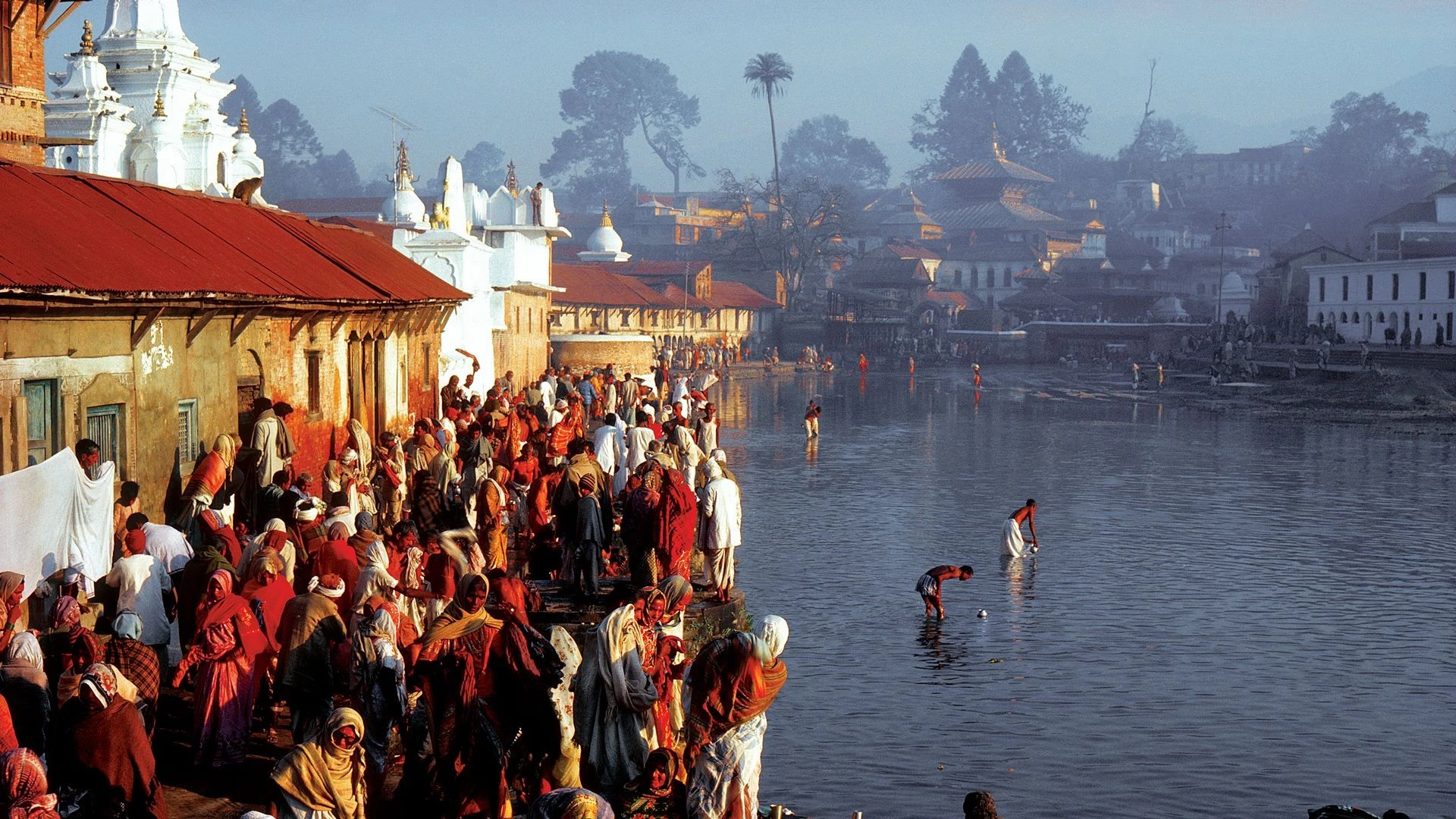
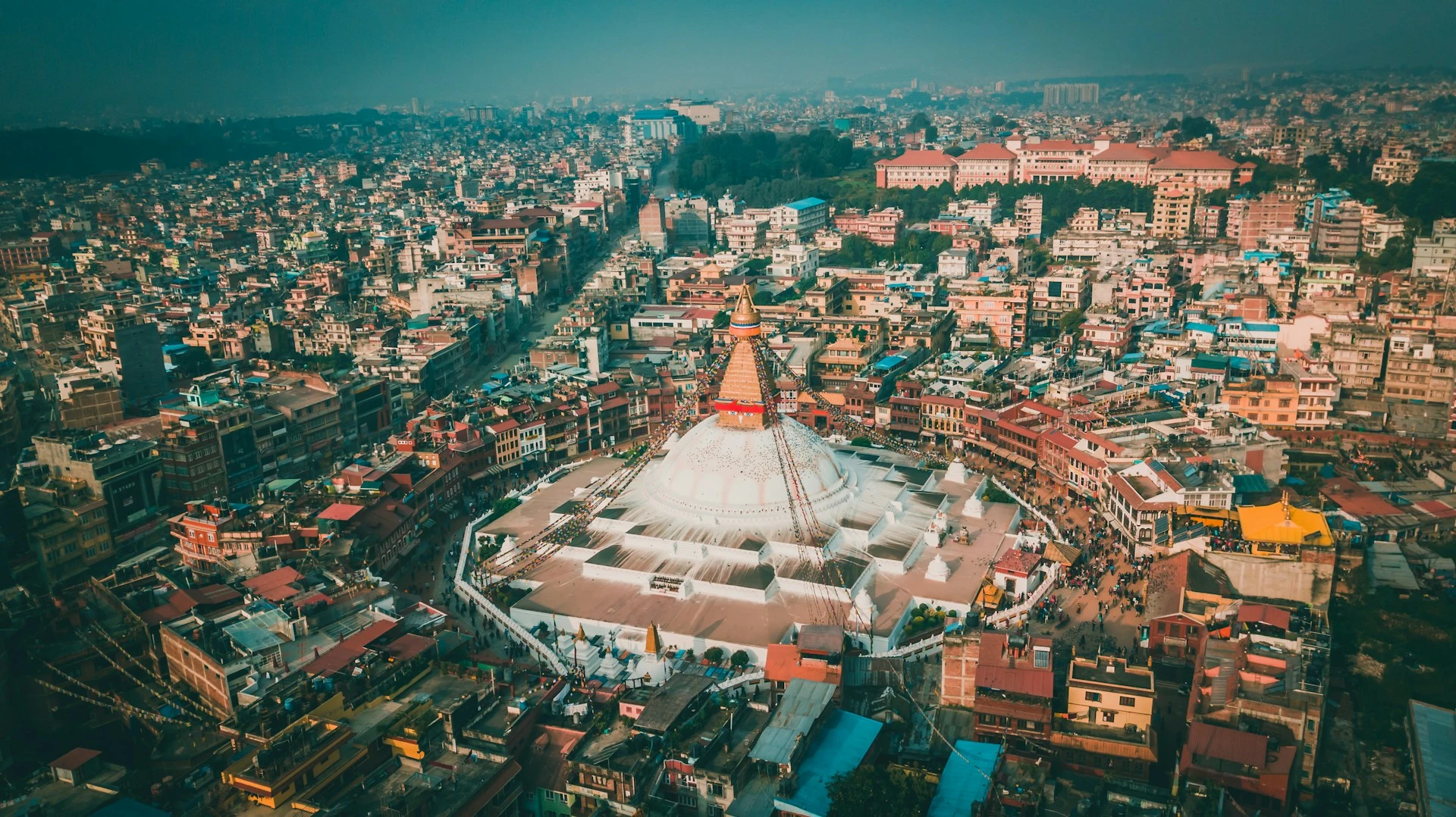
After breakfast, begin a guided sightseeing tour of the Kathmandu Valley, generally starting around 8:00–9:00 AM. The day introduces you to three of the valley’s most important cultural and religious landmarks. Begin at Pashupatinath Temple, one of Nepal’s most sacred Hindu pilgrimage sites, situated along the Bagmati River at approximately 1,330 m. Explore the temple complex, smaller shrines, traditional architecture, sacred ghats, and the atmosphere created by sadhus and pilgrims. The main temple is accessible only to Hindus, while visitors of other faiths can observe the surrounding areas and religious activities. Continue to Boudhanath Stupa, one of the largest stupas in Nepal and an important center of Tibetan Buddhism. Walk around its distinctive white dome and gilded tower, observe the Buddha’s eyes overlooking the valley, turn the prayer wheels, and experience the spiritual atmosphere around the surrounding monasteries. Rooftop cafés provide a pleasant setting for lunch overlooking the stupa. Boudhanath stands at approximately 1,333 m. In the afternoon, visit Patan Durbar Square in Lalitpur, widely known as the City of Arts. Explore Krishna Mandir, Hiranya Varna Mahavihar (Golden Temple), and the traditional courtyards filled with remarkable Newari craftsmanship. If time permits, visit the Patan Museum and observe the traditional lost-wax bronze workshops for which Patan is particularly renowned. Return to Kathmandu after sightseeing and enjoy a leisurely evening, giving you time to relax, explore nearby streets, or experience more of the capital at your own pace.
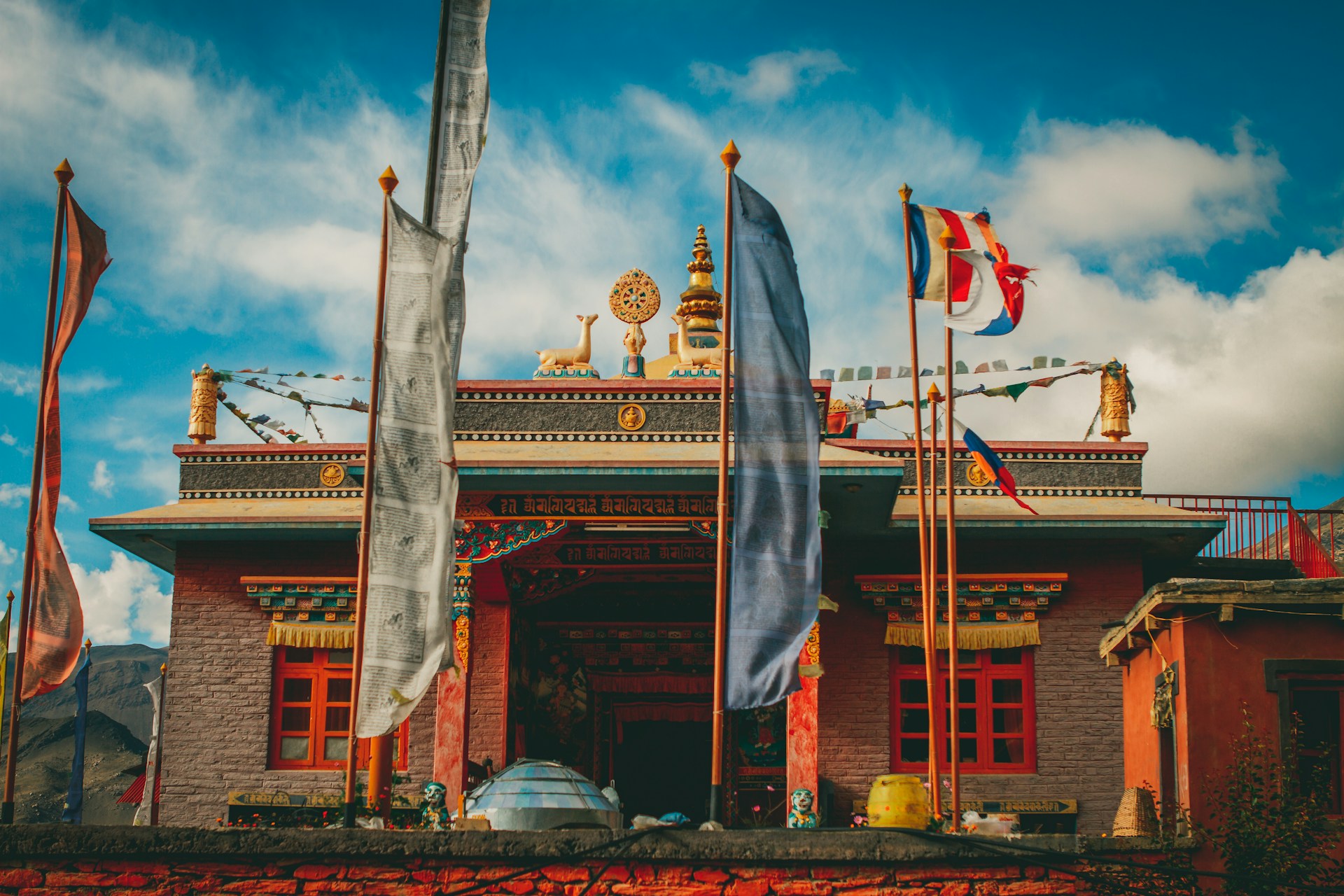
After breakfast, travel to Bhaktapur Durbar Square, one of the best-preserved medieval urban centers in the Kathmandu Valley. Explore the Golden Gate, Palace of 55 Windows, and Nyatapola Temple, while discovering the city’s living Newari traditions, historic architecture, temples, courtyards, and artistic heritage. Bhaktapur is situated at approximately 1,400 m. During your visit, enjoy a taste of Juju Dhau, the famous traditional buffalo-milk yogurt of Bhaktapur. Traditionally prepared and served in clay pots, this local specialty is an important part of the city’s culinary identity. Continue to Panauti, a historic Newari town situated at the confluence of two rivers. Take time to explore its old streets and traditional Hindu temples while enjoying the quieter atmosphere away from the larger cities of the valley. Later, continue toward Namo Buddha, where you will check in at Thrangu Tashi Yangtse Monastery or a nearby guesthouse. This sacred Buddhist site is associated with the legend of the Buddha offering his body to a starving tigress and her cubs. Surrounded by a Tamang village and peaceful hillside landscapes, Namo Buddha offers a quiet evening and, when conditions are clear, an opportunity to enjoy the stars. The area lies at approximately 1,750 m.
Begin the morning early with sunrise at Namo Buddha, when the surrounding hills and valleys gradually light up. Depending on the timing and monastery activities, you may also experience the sound of monks chanting, adding a deeply peaceful atmosphere to the morning. After breakfast, drive toward Gorkha, an important historical destination associated with the formation of modern Nepal. Upon arrival, explore Gorkha Durbar, dramatically positioned on a hilltop above the town. Gorkha is the birthplace of King Prithvi Narayan Shah, who was born here in 1723 and later began the campaign that unified the numerous kingdoms of the region into modern Nepal. Reaching the palace involves climbing approximately 1,500 stone steps, making the journey itself part of the experience. At the top, visit the Kalika Temple and Gorakhnath Temple, and explore the historic palace complex while learning about Gorkha’s role in Nepalese history. The area is situated at approximately 1,210 m. From the hilltop, enjoy views toward the surrounding mountains, including Manaslu (8,163 m) and Himalchuli, when weather conditions provide clear visibility.
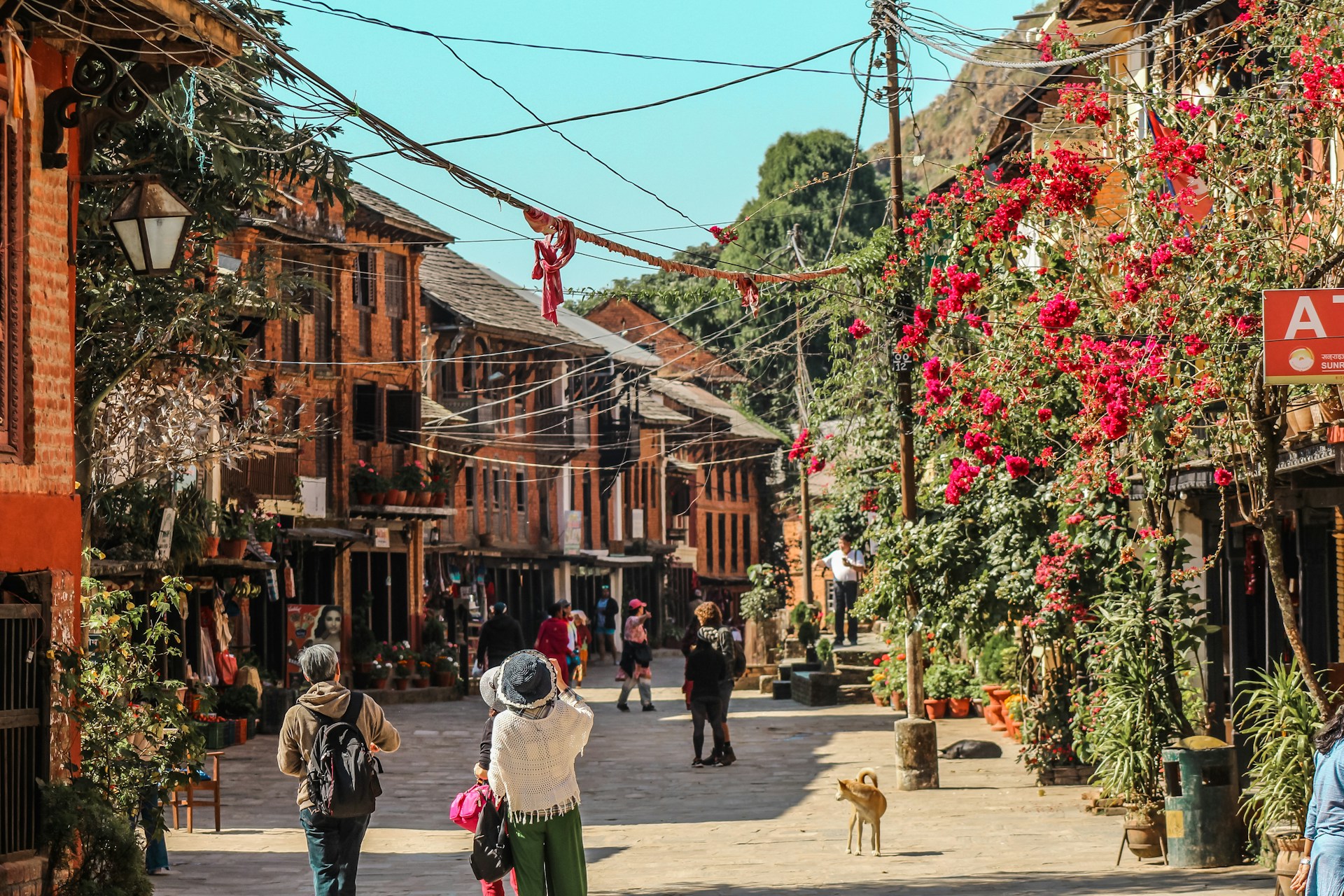
Start the morning with sunrise in Gorkha, enjoying the changing light over the historic palace and surrounding hills. On clear mornings, distant Himalayan peaks, including Manaslu, provide an impressive backdrop to the old town. You will also have the opportunity to participate in the flag ceremony at Gorkha, a formal Nepali flag-raising tradition often accompanied by the national anthem. The ceremony provides a meaningful connection to Nepal’s history, national identity, and the important role Gorkha played in the country’s formation. Continue by road to Bandipur, a beautifully preserved hilltop settlement known for its traditional Newari character. The town was established by Newari traders from Bhaktapur in the 18th century and once flourished along the historic India–Tibet trading route. After the Prithvi Highway shifted the main flow of traffic in the 1970s, Bandipur gradually became quieter, helping preserve much of its historic character. Explore the car-free, brick-paved main street, lined with traditional three-story Newari buildings featuring beautifully carved windows and façades. The town offers a relaxed opportunity to experience traditional architecture, local life, and the atmosphere of a historic trading settlement. In the late afternoon, take an approximately 15-minute walk to Thani Mai Temple. From this hilltop viewpoint, enjoy broad views toward Annapurna II, Annapurna IV, Lamjung Himal, and Manaslu. The viewpoint is particularly rewarding around sunset, when the surrounding hills and mountains take on warm evening colors. Bandipur is situated at approximately 965 m.
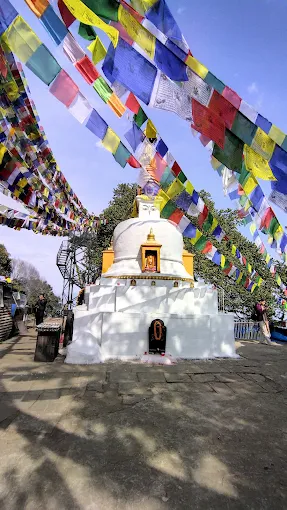
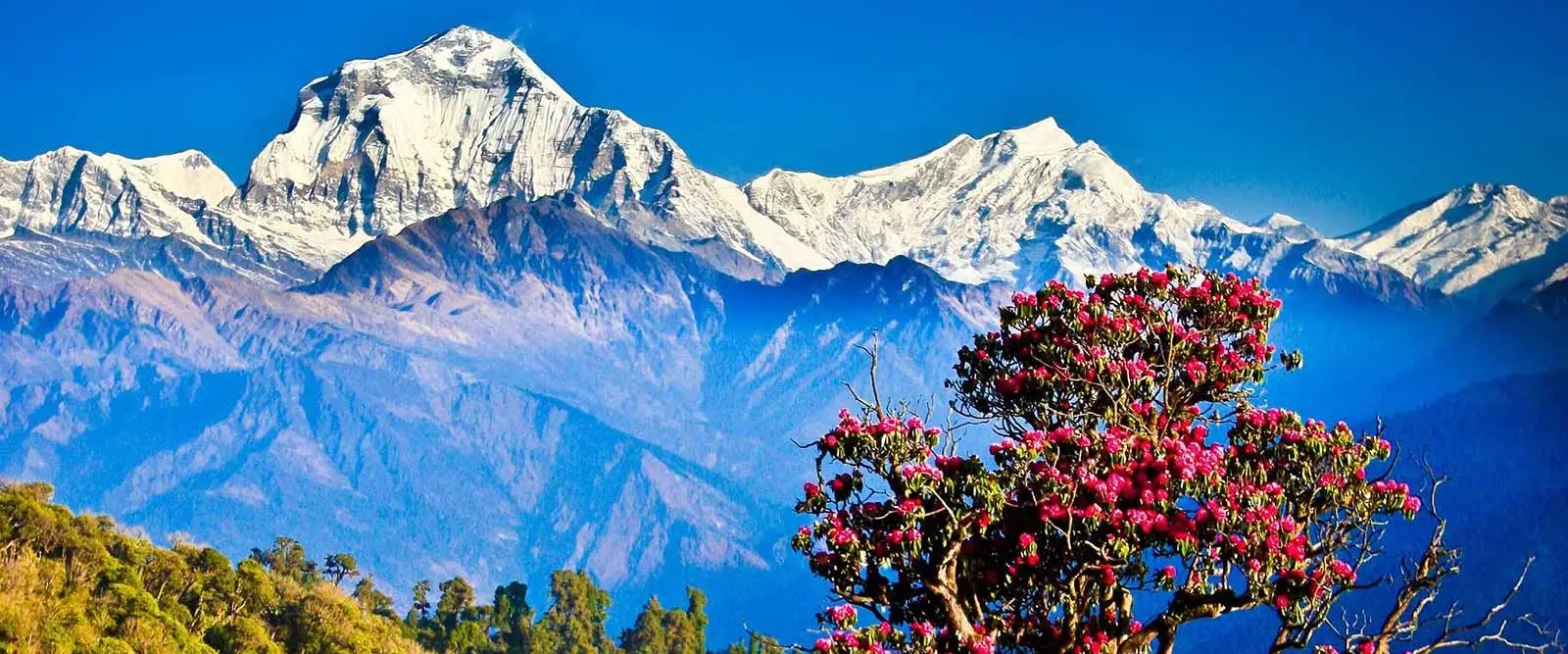
After breakfast, drive from Bandipur to Pokhara, Nepal’s second-largest city and a major gateway to the Annapurna region. The journey follows winding hill roads through central Nepal, passing terraced fields, rural settlements, rivers, and changing landscapes as you approach the lakeside city. Upon reaching Pokhara, visit Pumdikot, a hilltop viewpoint dominated by its impressive Shiva statue. From here, enjoy wide views of the Annapurna range, Machhapuchhre, and Phewa Lake. The statue and viewpoint are situated at approximately 1,500 m, offering a memorable perspective over Pokhara and its surrounding mountains. Continue to the World Peace Pagoda, a white Japanese-style Buddhist stupa positioned on a hill overlooking Phewa Lake. Located at approximately 1,115 m, the pagoda provides panoramic views toward Annapurna I (8,091 m), Dhaulagiri (8,167 m), and Machhapuchhre (6,997 m) when skies are clear. Later, enjoy boating on Phewa Lake and cross the water toward Barahi Temple, a small two-story pagoda situated on an island in the lake. At approximately 742 m, Phewa Lake forms the heart of Pokhara’s relaxed lakeside atmosphere and provides a peaceful end to the day.
Leave early, around 4:30–5:00 AM, for Sarangkot to experience one of Pokhara’s most memorable Himalayan sunrise viewpoints. As the first light reaches the mountains, Machhapuchhre is often among the first peaks to glow, followed by views toward Dhaulagiri and Annapurna. Sarangkot is situated at approximately 1,600 m. Paragliding can also be arranged as an optional activity. Afterward, continue to Kaskikot for a short hike toward Naudanda. Kaskikot is associated with the historic hilltop fort of the former Kaski kings. The approximately one-hour gentle walk follows a ridge through terraced fields, traditional villages, and forested sections, providing a closer look at rural life beyond Pokhara’s main tourist areas. Along the route, you may encounter local farmers, schoolchildren, and everyday village activities, while the surrounding ridge provides mountain views toward Annapurna, Dhaulagiri, and Machhapuchhre. The walk is suitable for most fitness levels, with a vehicle waiting at Naudanda. Kaskikot is approximately 1,788 m, while Naudanda is around 1,010 m. Return to Pokhara and spend the late afternoon around Phewa Lakeside, exploring cafés, restaurants, handicraft shops, and the relaxed atmosphere of the waterfront. In the evening, experience the Aarati at Barahi Ghat, usually beginning around 7:00 PM. The ceremony features incense, ghee lamps, a snake-headed basin lamp, bells, conch shells, devotional music, singing, and prayers, creating a memorable cultural experience beside Phewa Lake. Devotees may also participate in the singing and prayers.
After breakfast, drive from Pokhara to Chitwan, traveling from the Himalayan foothills toward the warmer Inner Terai landscapes. Chitwan is known as the “heart of the jungle” and is home to Chitwan National Park, a UNESCO World Natural Heritage Site since 1984. The region lies at approximately 100–200 m, creating a striking contrast with the mountain landscapes experienced earlier in the journey. Upon arrival, check into Banbas Jungle Resort or Park Safari Resort, subject to availability. After settling in, a nature guide will meet you in the lobby to confirm the planned Chitwan activities and provide your safari activities time card, helping you understand the schedule for the wildlife experiences ahead. Visit a local monastery and Tharu Museum. The monastery provides a quiet place for reflection and an introduction to Buddhist practice, while the Tharu Museum presents traditional tools, clothing, jewelry, household items, and other displays connected with the history and culture of the indigenous Tharu people of the Terai. In the evening, attend a Tharu Cultural Dance performance, featuring traditional stick dances, drums, singing, and community traditions. The performance may take place at a village hall or at the resort and offers an engaging introduction to the cultural heritage of the Tharu community.
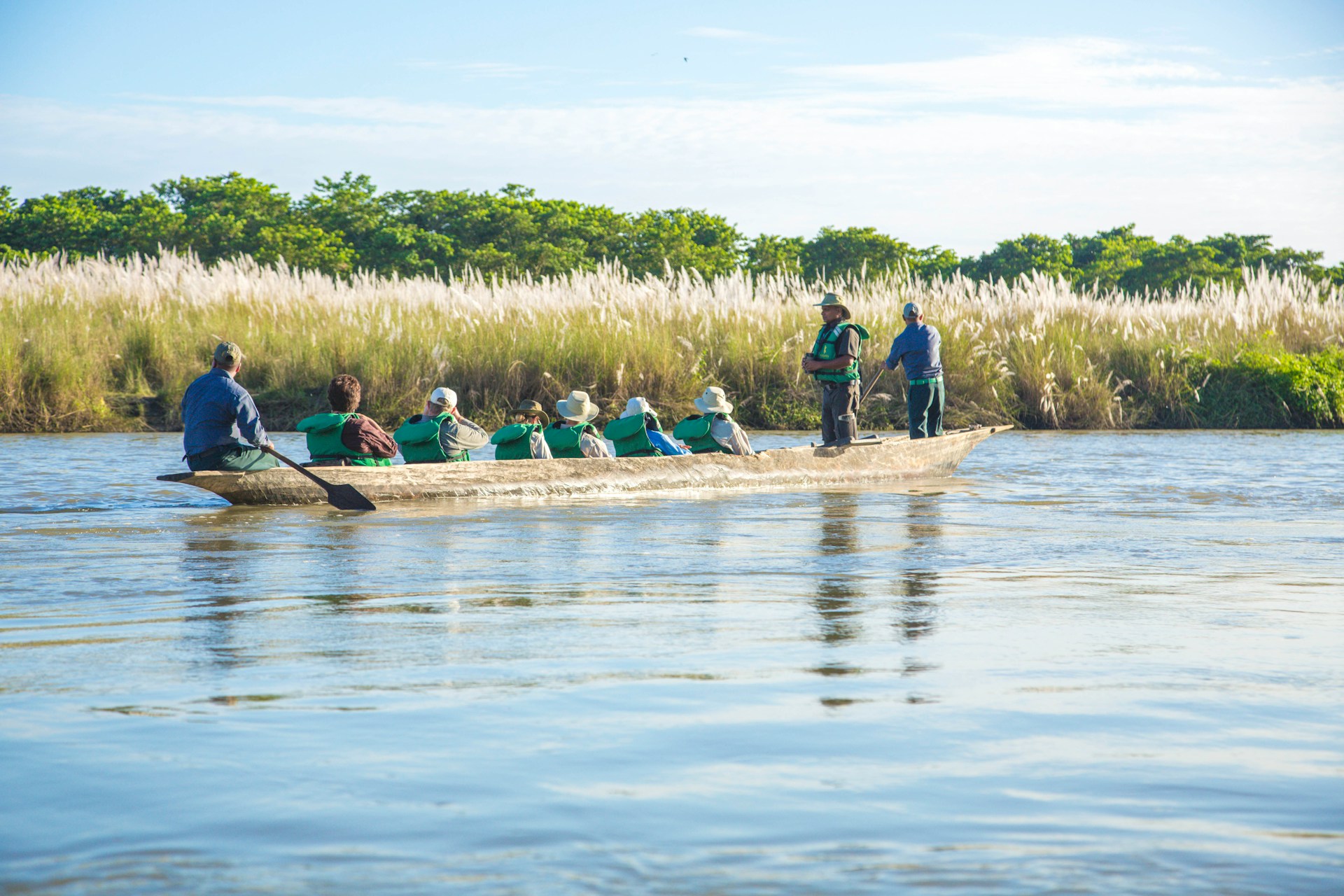
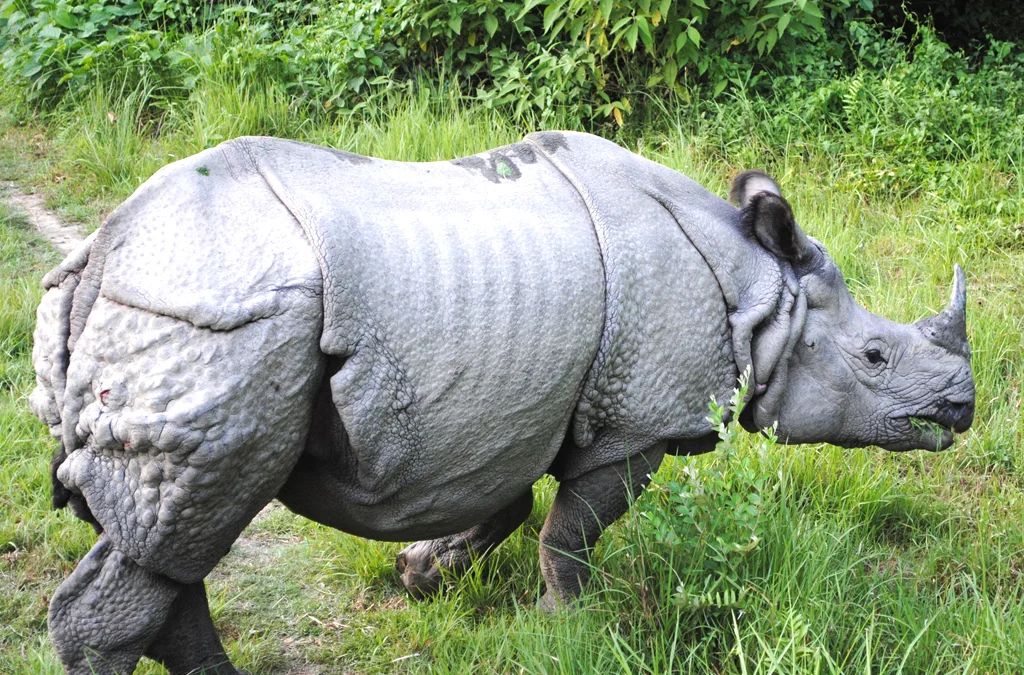
Begin the day with a canoe ride on the Rapti River, traveling in a traditional dugout canoe through one of Chitwan’s important waterways. Keep watch for marsh crocodiles, gharials, kingfishers, herons, and other waterbirds, while rhinos and deer may sometimes be seen near the riverbanks. Continue to the Elephant Breeding Centre in Sauraha, a government-run facility where you can observe elephants of different ages, including young calves. The visit provides an opportunity to learn about elephant biology, conservation efforts, and some of the challenges involved in elephant management. The main wildlife experience of the day is a half-day jeep safari inside Chitwan National Park. Travel through sal forests, grasslands, and oxbow-lake areas while your experienced guide searches for animal tracks, signs, and movement. Depending on wildlife activity and natural conditions, you may encounter the greater one-horned rhinoceros, Bengal tiger, wild elephants, sloth bears, leopards, and gaur. Later in the afternoon, take a village walk through a nearby Tharu settlement. Observe traditional mud-and-thatch houses, local farming practices, and everyday village life while learning more about the relationship between local communities and the surrounding environment. End the day with sunset near the river or at the edge of a community forest, offering a peaceful transition from the day’s wildlife activities to the quieter evening atmosphere of Chitwan.
Begin the morning with bird watching in Chitwan before departure. More than 525 bird species have been recorded in the region, and with a naturalist or guide you may spot birds such as the Indian roller, bee-eater, kingfisher, and woodpecker, with possibilities of seeing species such as the Bengal florican or giant hornbill. Your naturalist will help identify birds by sight and sound while exploring riverbanks and forest areas. After breakfast, begin the journey back to Kathmandu, either by road, which generally takes around 5–6 hours, or by domestic flight, which takes approximately 30 minutes. The journey provides another opportunity to observe the changing landscapes of central Nepal, including hills, rivers, settlements, and agricultural areas. Upon arrival in Kathmandu, check into your hotel and enjoy a leisurely afternoon and evening. You may rest, repack your luggage, or take advantage of some final shopping in Thamel, particularly for handicrafts, souvenirs, trekking equipment, and other reminders of your journey. In the evening, enjoy a farewell dinner, usually accompanied by traditional Nepali music and dance, bringing together the cultural experiences of the journey in a relaxed final evening.
Enjoy a relaxed final morning in Kathmandu with time for breakfast, additional rest, a final stroll, last-minute shopping, or packing before departure. At the appropriate time, your private vehicle will transfer you to Tribhuvan International Airport for your onward journey. Your 11-day Nepal experience comes to an end after combining Kathmandu’s cultural heritage, historic hill towns, Himalayan sunrises, traditional villages, spiritual experiences, Pokhara’s lakes and mountain landscapes, and Chitwan’s wildlife and jungle activities.
Group Size & Pricing
| Group Size (Pax) |
1 - 1 |
2 - 2 |
3 - 4 |
5 - 6 |
7 - 8 |
9 - 10 |
11 - 12 |
13 - 14 |
15 - 16 |
| Cost Per Person |
$1,000 |
$970 |
$950 |
$925 |
$900 |
$875 |
$850 |
$830 |
$800 |
Cost Include
- Airport arrival and departure transfers by private vehicle.
- Accommodation in selected hotels or lodges as per the itinerary.
- Daily breakfast and meals as specified in the itinerary.
- Private transportation for all sightseeing and transfers.
- Domestic flights where mentioned in the itinerary.
- Professional English-speaking guides during sightseeing tours.
- Entrance fees to all listed monuments and attractions.
- All government taxes, service charges, and applicable fees.
- 24/7 local assistance throughout your Nepal journey.
Cost Exclude
- International airfare to and from Nepal.
- Nepal entry visa fees and related charges.
- Comprehensive travel and medical insurance.
- Lunches and dinners unless specifically included.
- Alcoholic drinks, beverages, and personal refreshments.
- Personal expenses, laundry, internet, and souvenirs.
- Optional tours, activities, and additional services.
- Tips and gratuities for guides, drivers, and staff.
- Expenses due to delays, emergencies, or unforeseen circumstances.
|



 Trip Overview
 Travel Itinerary
 Cost Includes
 Cost Excludes
 Fixed Departure
 Route Map
 Freqeuntly Asked Questions
 Reviews And Rating