HELAMBU CIRCUIT & AMA YANGRI TREK
US$1,530.00
/pp
-
12 Days
-
Langtang
-
Spring/Autumn
-
Trekking
-
3,771 Meters
-
Moderate
-
Jeep / Bus
-
01-16 People
-
JH#248
 Overviews
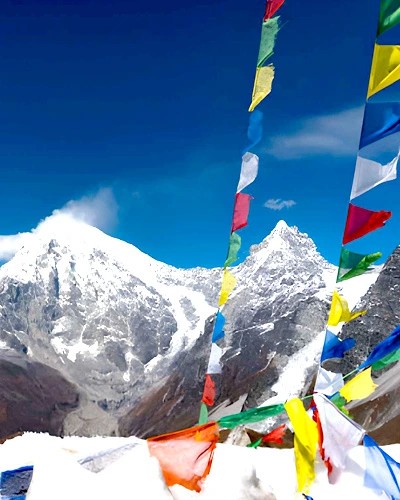
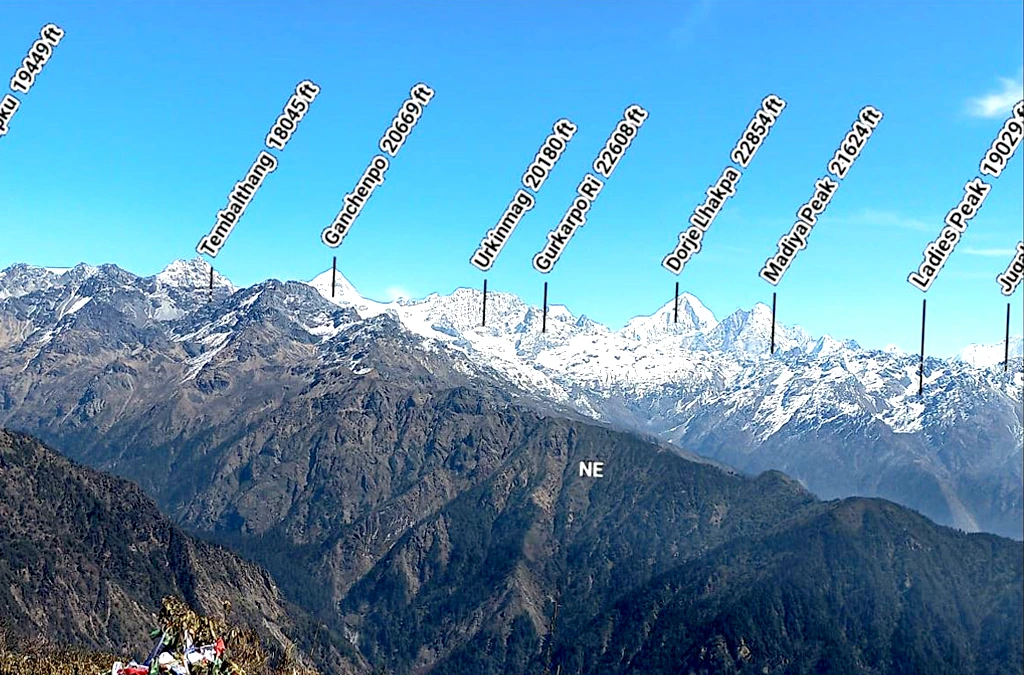
The Helambu Circuit & Ama Yangri Trek is a rewarding Himalayan journey set just northeast of Kathmandu, offering a rare combination of accessibility, cultural depth, and mountain scenery. Known locally as the Helambu Cultural Trek or Helambu Circuit Trek, this region is often called “Mini Tibet” for its strong Tibetan Buddhist heritage, serene landscapes, and traditional highland villages. The trek provides an authentic Himalayan experience while remaining far less crowded than Nepal’s major trekking routes. Helambu is inhabited by Hyolmo, Tamang, and Sherpa communities whose daily lives are deeply shaped by Tibetan Buddhism. As you walk along the trail, you pass centuries-old monasteries, carved mani walls, whitewashed chortens, and strings of prayer flags that mark sacred spaces and mountain passes. Villages such as Melamchigaon, Tarke Ghyang, and Sermanthang are cultural highlights, where visitors are welcomed into a lifestyle that follows seasonal rhythms, Buddhist ceremonies, and long-standing rural traditions. The trek suits travelers looking for a well-balanced adventure that blends culture, nature, and moderate physical challenge. Established trails wind through terraced hillsides, alpine forests of rhododendron and pine, and broad ridgelines with open Himalayan views. In spring, the forests between Chisapani and Thadepati transform with blooming rhododendrons, creating one of the most scenic trekking sections close to Kathmandu. A defining feature of this journey is the hike to Ama Yangri Peak, the highest viewpoint in the Helambu region. From the summit area, trekkers are rewarded with wide-ranging views of the Langtang Himal, Dorje Lakpa, Ganesh Himal, and, on exceptionally clear days, distant Himalayan giants toward the Everest region. Early morning light at the viewpoint offers a particularly striking panorama as the mountains glow above the surrounding valleys. For travelers with limited time, the Ama Yangri Peak Trek (4 Days) provides an excellent standalone option. This shorter itinerary focuses on the cultural heart of Helambu and the Ama Yangri viewpoint, allowing trekkers to experience the region’s highlights without completing the full circuit. Starting and ending in Kathmandu, it is ideal for short holidays, beginners, and those seeking a quick yet meaningful Himalayan escape. The Helambu Circuit & Ama Yangri Trek is graded as easy to moderate, with gradual altitude gain and reasonable daily walking distances. Comfortable teahouse lodges along the route offer warm meals, basic amenities, and friendly local hospitality. The quiet trails and uncrowded villages create a relaxed trekking atmosphere, encouraging a deeper connection with both the landscape and local culture. Overall, the Helambu Circuit & Ama Yangri Trek offers a deeply engaging blend of culture and mountain scenery, providing a rewarding Himalayan experience just a short distance from Kathmandu. Whether trekking the full circuit or choosing the shorter Ama Yangri Peak option, travelers enjoy mountain vistas, living Buddhist heritage, and a peaceful Himalayan experience that feels both intimate and rewarding.
Itinerary (Plan)
Arrive in Kathmandu (1,400 m / 4,593 feet), Nepal's vibrant capital, where you'll be warmly welcomed with marigold garlands. After transferring to your hotel, take time to relax and acclimate to the bustling city. Discover vibrant local markets, indulge in traditional Nepali dishes, and delve into Kathmandu's rich cultural tapestry. This initial day is perfect for easing into your journey, setting the stage for the exciting adventures ahead in Eastern Nepal. A representative from Jagadamba Holidays will ensure a smooth and pleasant arrival. Overnight accommodation will be provided in a deluxe twin-sharing room at Kathmandu Guest House or a hotel of similar category in Kathmandu. Breakfast is included.
Optional Evening Activity:
If you wish, you can spend your evening experiencing the Pashupatinath Aarti, a captivating religious ceremony held at the Pashupatinath Temple. The Aarti usually begins around 6:00 PM and lasts for approximately an hour. This ceremony is a mesmerizing display of traditional music and rituals, providing a profound insight into Hindu spiritual practices. Please check the exact time for the Aarti on the day of your visit, as it may vary. This option is not included in the standard itinerary but offers a unique opportunity to immerse yourself in local culture.
After a hearty breakfast at the hotel in Kathmandu, depart by private vehicle for Sundarijal (1,385 m / 4,544 ft), situated on the northeastern edge of the Kathmandu Valley and the official starting point of the Helambu Circuit & Ama Yangri Trek. The drive covers approximately 17.5 km and takes around 1 to 1.5 hours, depending on city traffic conditions. From Sundarijal, begin the trek toward Chisapani (2,215 m / 7,267 ft), entering the protected area of Shivapuri National Park. The trail ascends steadily along stone stairways, forest paths, and ridgelines, passing through dense oak and rhododendron forests. En route, reach Mulkharka, a traditional Tamang village, where a short break is taken for tea and light refreshments. Continuing from Mulkharka, the route follows a forested ridge with occasional viewpoints before descending into deeper woodland. During the spring season, the surrounding hillsides are highlighted by vibrant rhododendron blooms. Trekking onward through the forest, arrive at Chisapani, a hilltop settlement known for its fresh mountain air and panoramic Himalayan views. This first trekking day covers approximately 10.6 km and involves 6–7 hours of walking, including rest breaks. The day includes an ascent of about 1,050 metres and a descent of approximately 300 metres. Lunch is arranged either along the trail or upon arrival, depending on the group’s pace and preferences. After reaching Chisapani, the remainder of the evening is at leisure to relax or explore the surroundings with your guide. Overnight accommodation will be provided in a twin-sharing room at Dorje lakpa Hotel or a hotel of similar category in Chispani. All meals (breakfast, lunch, and dinner) are included.
After a hearty breakfast at your hotel in Chisapani, begin the day early to witness sunrise over the Himalayan range, as the first light gradually illuminates the surrounding hills and distant peaks. Following breakfast, continue the trek toward Kutumsang along a scenic and varied trail on the Helambu Circuit Trek. The route passes through open grasslands, terraced agricultural fields, and forested sections, offering pleasant views of the Langtang foothills. The trail descends to the small settlement of Pati Bhanjyang, then climbs steadily toward Gul Bhanjyang and a nearby mountain pass. From the pass, the path descends gradually through quiet rural landscapes before reaching Kutumsang (2,470 m / 8,104 ft), a key village on the Chisapani to Kutumsang Trek. The walk from Chisapani to Kutumsang is long but rewarding, covering approximately 15.5 km and taking around 7–8 hours including regular rest breaks. The day involves a total ascent of about 1,290 metres and a descent of approximately 930 metres, making it a classic example of moderate trekking in Nepal. Lunch is taken either along the trail or upon arrival at the lodge, depending on the group’s pace and timing. Upon arrival in Kutumsang, the remainder of the evening is free to rest or take a short walk around the village with your guide. Overnight accommodation will be provided in a twin-sharing room at Namaste Lodge or a hotel of similar category in Kutumsang. All meals (breakfast, lunch, and dinner) are included.
After breakfast at the lodge in Kutumsang, begin the trek northward toward Thadepati (3,690 m / 12,106 ft), one of the highest and most scenic points of the Helambu Circuit & Ama Yangri Trek. Leaving the last permanent settlements behind, the trail gradually enters a remote alpine landscape, offering a classic Himalayan trekking experience far from busy routes. The ascent follows steep but well-defined trails through dense pine, fir, and rhododendron forests. During spring, the hillsides are bright with blooming rhododendrons, Nepal’s national flower. As altitude is gained, the forest begins to thin, opening up wider views of surrounding ridges and high Himalayan terrain typical of Himalayan forest trekking in Nepal. The trail continues via Yurin Danda, a well-known ridge offering expansive mountain viewpoints, before reaching Magen Goth. This small seasonal settlement lies beside open alpine meadows and serves as a traditional resting point along the Helambu trekking route, with impressive views of nearby snow-capped peaks. From here, the trail climbs gradually across high pastures before arriving at Thadepati. The trek from Kutumsang to Thadepati covers approximately 11.3 km and takes around 6–7 hours, including regular rest breaks. The day involves a total ascent of about 1,300 metres and a descent of approximately 140 metres, making it one of the more challenging yet rewarding sections of moderate high-altitude trekking in Nepal. Lunch is arranged either along the trail or upon arrival, depending on the group’s pace and timing. After arriving at Thadepati (3,690 m / 12,106 ft), the remainder of the evening is at leisure to rest, enjoy the high-altitude environment, or take a short walk along nearby ridges with your guide. Overnight accommodation will be provided in a twin-sharing room at Sumcho Top Lodge or a hotel of similar category in Thadepati. All meals (breakfast, lunch, and dinner) are included.
After breakfast at the lodge in Thadepati, begin the trek toward Tarke Ghyang (2,600 m / 8,530 ft), descending from the high ridgeline into the culturally rich villages of the Helambu region. Today’s walk offers a noticeable change in scenery and atmosphere, as the trail leads into inhabited areas where traditional lifestyles and Buddhist culture remain well preserved. The route initially follows the ridge eastward before descending gradually toward the charming village of Melamchi Gaon, known for its sacred Buddhist stupas, shrines, and monasteries associated with Guru Rinpoche. The village is primarily inhabited by Sherpa communities whose culture and traditions differ slightly from those of the Solu Khumbu region. Continuing onward, the trail passes through a series of Sherpa settlements, offering fine views of surrounding Himalayan peaks and terraced hillsides. The walk concludes at Tarke Ghyang (2,600 m / 8,530 ft), one of the largest and most important villages in Helambu. The village is home to the Hyolmo people and features the Old Tarke Ghyang Monastery, one of the oldest and most significant monasteries in the region. The name “Helambu” traditionally refers to a collection of Tamang and Sherpa villages spread across this valley. The trek from Thadepati to Tarke Ghyang covers approximately 10.7 km and takes around 6–7 hours, including regular rest breaks. The day involves an ascent of about 720 metres and a descent of approximately 1,750 metres, making it a rewarding downhill trek with varied terrain. Lunch is arranged either along the trail or upon arrival, depending on the group’s pace and timing. After arriving in Tarke Ghyang (2,600 m / 8,530 ft), the remainder of the evening is at leisure to relax or explore the village and monastery surroundings with your guide.Overnight accommodation will be provided in a twin-sharing room at Hotel Tarke Ghyang or a hotel of similar category in Tarke Ghyang. All meals (breakfast, lunch, and dinner) are included.
Ama Yangri Peak trekking is a newly discovered hidden gem of Helambu in the Langtang region. It is famous among foreign and local tourists who like to trek the mountain within a week. Since the mountain view from here is similar to Poon Hill in the Annapurna region, this trek is also known as the Poon Hill Trek of Kathmandu Valley. It is located northeast 80 km from Kathmandu. Ama Yangri Peak Trek is less popular but one of the best short trekking destinations and sunrise and sunset viewpoints near Kathmandu in the Helambu region. Ama Yangri Peak is located at an altitude of 3,771 metres above sea level. Ama Yangri is considered the patron goddess of the Helambu area. It takes around 4 hours to climb Ama Yangri Peak from Tarke Ghyang. The trail leads through dense forest to the summit which unveils incredible views of the Helambu region and high snow-capped Himalayan peaks. There are no teahouses on the Ama Yangri trail, so it is better to carry food and enough water. Helambu Circuit Trek, also known as the Hyolmo Heritage Trek, is a simple, scenic and geographically interesting trek where people can experience the mountains with great opportunities to encounter mountain views, green landscapes and unique Hyolmo culture. Devotees from home and abroad come to Ama Yangri on the day of Chaitra Purnima. As part of the ritual, they climb to the top of this mountain before waking up in the morning and watch the sunrise. Return to the hotel after completing the Ama Yangri Peak Trek. The round-trip hike from Tarke Ghyang to Ama Yangri Peak covers approximately 8.1 km and takes around 6–7 hours, including rest breaks. The day involves a total ascent of about 1,110 metres and an equal descent of 1,110 metres, making it a rewarding example of moderate high-altitude trekking in Nepal. As there are no facilities along the route, a packed lunch is provided and carried during the hike. After descending back to Tarke Ghyang, the remainder of the evening is at leisure to relax or explore the village surroundings with your guide. Overnight accommodation will be provided in a twin-sharing room at Hotel Tarke Ghyang or a hotel of similar category in Tarke Ghyang . All meals (breakfast, lunch, and dinner) are included.
After breakfast at the lodge in Tarke Ghyang, begin the day’s trek toward Sermanthang (2,590 m / 8,497 ft). Today’s walk is relatively gentle, with only gradual altitude changes, making it a pleasant and relaxed trekking day through the lower Helambu region. The trail leads through forested paths, passing streams, small waterfalls, and open sections with scenic views. Along the way, you walk through several small settlements and Sherpa villages between Parachin and Gangyul, offering insight into local lifestyles and rural Himalayan culture. From Gangyul, continue trekking toward Sermanthang through peaceful countryside and cultivated landscapes. Sermanthang (2,590 m / 8,497 ft) is a beautiful and welcoming village known for its Buddhist monasteries, traditional houses, and wide valley views. The village reflects the cultural heritage of the Helambu region and provides a calm setting to conclude the day’s walk. The trek from Tarke Ghyang to Sermanthang covers approximately 10.5 km and takes around 5–6 hours, including regular rest breaks. The day involves an ascent of about 380 metres and a descent of approximately 400 metres. Lunch is arranged either along the trail or upon arrival at the lodge, depending on the group’s pace and timing. After arriving in Sermanthang (2,590 m / 8,497 ft), the remainder of the evening is at leisure to rest or explore the village surroundings with your guide. Overnight accommodation will be provided in a twin-sharing room at Helambu Mountain Resort or a hotel of similar category in Sermanthang. All meals (breakfast, lunch, and dinner) are included.
Today is dedicated to cultural immersion in Sermanthang (2,590 m / 8,497 ft), allowing time to explore the traditions and lifestyle of the Hyolmo (Yolmo) community. This rest day is designed not only for physical recovery but also to experience the cultural depth that makes the Helambu region unique. Sermanthang, along with Tarke Ghyang and Melamchi Gaon, is recognised as one of the oldest and most culturally significant settlements of the Hyolmo people in the Helambu region of the Langtang area. The Hyolmo are officially recognised by the Government of Nepal as one of the country’s distinct ethnic communities, with their own language, traditions, and strong Tibetan Buddhist heritage. During the day, visit local Buddhist stupas, gompas (monasteries), and traditional homes while interacting with residents to gain insight into daily life and cultural practices. Sermanthang is also associated with Guru Rinpoche, revered as the founder of Tibetan Buddhism. According to local belief, he meditated in various sacred sites throughout the region, which are still visited by devotees today. A short hillside walk from the village leads to peaceful meditation sites, a serene Buddha statue, and traditional Buddhist stupas overlooking the scenic Helambu Valley in Nepal. The village also features a historic monastery damaged during the 2015 earthquake, as well as a newly constructed monastery that continues to serve the local community. The peaceful surroundings and strong spiritual atmosphere provide an enriching cultural experience in Nepal. As today is a relaxation and exploration day, Overnight accommodation will be provided in a twin-sharing room at Helambu Mountain Resort or a hotel of similar category in Sermanthang. All meals (breakfast, lunch, and dinner) are included.
After a hearty breakfast at the lodge in Sermanthang, begin the final trekking day toward Melamchi Pul Bazar (819 m / 2,687 ft), marking the official end point of the Helambu Circuit & Ama Yangri Trek. Today’s walk offers a gradual transition from the elevated villages of the Helambu region to the lower river valleys. As you depart from Sermanthang, the trail descends gently at first, providing pleasant morning views across the Helambu Valley before gradually losing elevation. The route follows well-established footpaths through terraced farmland, scattered Tamang and Sherpa villages, and mixed forest sections. Along the way, you will pass small rural communities and cultivated fields that reflect the daily life of the lower Helambu region. As the descent continues, the landscape changes noticeably from cooler alpine terrain to warmer subtropical vegetation, highlighting the geographical diversity of the Helambu trekking route. This predominantly downhill walk allows for a comfortable pace while enjoying the final views of surrounding hills and valleys. The trek from Sermanthang to Melamchi Pul Bazar covers approximately 17.5 km and takes around 6–7 hours, including regular rest breaks. The day involves a modest ascent of about 120 metres and a significant descent of approximately 1,890 metres, making it one of the longest downhill sections of the itinerary. Lunch is arranged either along the trail or upon arrival, depending on the group’s pace and timing. Upon arrival in Melamchi Pul Bazar (819 m / 2,687 ft), the remainder of the evening is at leisure to rest after completing the trekking portion of the journey. Overnight accommodation will be provided in a twin-sharing room at Melamchi Heritage Hotel or a hotel of similar category in Melamchi Pul Bazar. All meals (breakfast, lunch, and dinner) are included.
After a hearty breakfast at your hotel in Melamchi Pul Bazar, begin the scenic overland journey back to Kathmandu (1,400 m / 4,593 feet), marking the official conclusion of your Helambu Circuit & Ama Yangri Trek. The total distance between Melamchi Pul Bazar and Kathmandu is approximately 71 km, and the drive generally takes around 4–5 hours, depending on road and traffic conditions. Much of the route follows narrow mountain roads, requiring careful driving through hilly terrain. The scenic drive follows sections of the Melamchi River valley before continuing through Dhulikhel, known for its hilltop views and traditional Newari architecture. The route then passes through Banepa, before crossing Sanga, home to one of the world’s tallest Shiva statues. Continuing onward, the road approaches the Kathmandu Valley near Bhaktapur, offering final views of terraced farmland and historic settlements before reaching the capital. Travel can be arranged either by private vehicle. If a private transfer is preferred, the vehicle must be dispatched from Kathmandu in advance, as private vehicles are not based in Melamchi. Upon arrival in Kathmandu (1,400 m / 4,593 feet), transfer to your hotel for check-in, marking the official end of your trekking journey. Overnight accommodation is provided in a deluxe twin-sharing room at Kathmandu Guest House or a hotel of similar category in Kathmandu. Breakfast is included.
Start your day with a visit to Swayambhunath Stupa, famously known as the Monkey Temple. Situated on a hilltop, this ancient UNESCO World Heritage Site in Kathmandu offers sweeping views of the Kathmandu Valley and its surrounding mountains. Wander through its sacred courtyards, spin the prayer wheels, and admire the beautifully carved statues and shrines. Playful monkeys add charm to the experience as your guide shares captivating tales about the stupa’s origins, spiritual significance, and fascinating legends of the area. Next, travel to Boudhanath Stupa, one of the largest Buddhist stupas in the world and a major centre of Tibetan Buddhism in Nepal. Marvel at the massive white dome crowned with a golden spire, and watch the vibrant prayer flags flutter in the breeze. Feel the spiritual energy as monks chant, devotees circle the stupa performing kora ritual, and pilgrims from across the globe gather to offer prayers. Your guide will explain the rituals, symbolism, and the stupa’s role in Nepalese Buddhist culture. Conclude the tour with a visit to Pashupatinath Temple, the most sacred Hindu temple in Nepal dedicated to Lord Shiva. Explore the temple’s traditional pagoda-style architecture, witness daily rituals along the sacred Bagmati River, and observe devotees engaging in prayer and offerings. Learn from your guide about the temple’s rich history, religious significance, and the major Hindu festivals in Nepal that draw thousands of pilgrims each year. This immersive Kathmandu full-day heritage tour provides a perfect combination of history, spirituality, and local culture, giving visitors meaningful insight into Kathmandu cultural heritage. Capture stunning photographs, experience authentic religious practices, and connect with Nepal’s spiritual and cultural traditions.
Concluding Your Journey in NepalAs your Bhutan Cultural Tour – Sacred Valleys of the Himalayas & Nepal draws to a close, this final day offers a moment to pause and reflect on the remarkable journey you have completed across two of the Himalayas’ most culturally rich regions. From Bhutan’s secluded valleys, monasteries, and deeply rooted spiritual traditions to Nepal’s vibrant heritage, historic cities, and heartfelt hospitality, the journey has revealed the Himalayas in both their outer beauty and inner meaning. Throughout the tour, encounters with local communities, time spent in sacred spaces, and travel through dramatic mountain landscapes have created experiences that go far beyond conventional sightseeing. Carefully designed to balance cultural insight, natural scenery, and authentic interaction, this journey has offered a genuine understanding of life in the Himalayan region, leaving impressions that remain long after the journey ends. Airport Transfer & FarewellFor a smooth and well-organised departure, a representative from Jagadamba Holidays, your local travel partner for Nepal and Bhutan, will collect you from your hotel approximately 3.5 hours before your scheduled flight. A private transfer will then take you to Tribhuvan International Airport, ensuring a comfortable and timely conclusion to your stay in Nepal. As a final gesture of goodwill, you will be offered a traditional khata scarf along with warm wishes for a safe and pleasant onward journey, symbolising appreciation, respect, and positive blessings. We sincerely thank you for travelling with Jagadamba Holidays and look forward to the opportunity of welcoming you again for future journeys across the Himalayas and beyond.
Group Size & Pricing
| Group Size (Pax) |
1 - 2 |
3 - 4 |
5 - 6 |
7 - 8 |
9 - 12 |
13 - 16 |
17 - 20 |
21 - 24 |
25 - 32 |
| Cost Per Person |
$1,377 |
$1,347 |
$1,317 |
$1,287 |
$1,257 |
$1,227 |
$1,197 |
$1,167 |
$1,107 |
Cost Include
- All transfers within Nepal are included as per itinerary
- Any domestic flight of Nepal as per trekking itinerary
- Trekking accommodation (hotel, lodge and/or tent) as per itinerary
- Small shared room with shared bathroom during trek in Nepal
- In Kathmandu and/or Pokhara: Stay at ***Hotel with breakfast
- Luggage for porters during the trek (12.5 kg/person)
- 3 meals (Breakfast, Lunch and Dinner) during the trek
- Unlimited tea or coffee for breakfast during the trek
- An English speaking guide (trekking/tour) as per Itinerary
- Travel insurance for trekking staff (guides and porters)
- All expenses of trekking staff(s) during trekking
- Includes all conservation, national park, trekking, and climbing permits
- Sightseeing / Wildlife tours if included in the itinerary
- Farewell dinner in Kathmandu before returning home
Cost Exclude
- Single room/single tent surcharge (on request)
- Round trip/one way international flight ticket to Nepal.
- Tourist visa for Nepal (30-50 $, depending on length of stay)
- Personal Insurance (covers: Trip/flight cancellation, helicopter rescue)
- Meals (lunch, dinner) at hotels in Kathmandu, Pokhara and other cities
- Drinks (soft, hot or mineral/boiled water) during the lodge trek
- Any personal trekking and/climbing equipment for trekking in Nepal
- Hotel expenses in case of early return from trekking for any reason
- Costs due to flight cancellations & extra porters/horses during the trek
- Additional costs incurred due to any reason beyond Jagdamba’s control
- More evidence about pandemics like COVID-19 if needed in the future.
- Personal expenses during the trek (phone, wifi, shower, charging etc.)
- Other costs and things that are not mentioned in the service inclusion
- Gratuity for trekking staff (recommended: 9€ /10$ per traveler per day)
|






 Trip Overview
 Travel Itinerary
 Cost Includes
 Cost Excludes
 Fixed Departure
 Route Map

 Frequently Asked Questions
 Reviews And Rating