


Thamel Kathmandu NP nepal@jagadambaholidays.com

Call/WhatsApp24/7

+9779851082817

Live Location

Thamel Kathmandu NP
logo

Jagadamba Holidays is a trusted trekking company in Nepal offering Everest Base Camp and Annapurna treks with expert guides. Plan your adventure today.

Ama Dablam Expedition with EBC Trek

out of 5.0
US$5400 US$ 4860/pp  
  • 32 Days
  • Everest
  • Spring/Autumn
  • Trekking
  • 5,550 Meters
  • Technical
  • Car / Plane
  • 02-25 People
  • JH#223X

Trip Overview Trip Overview

The Matterhorn of the Himalayas

The Ama Dablam Expedition with Everest Base Camp Trek is one of the most iconic Himalayan adventures, combining the legendary Everest Base Camp Trek with the technical ascent of Ama Dablam in the heart of Nepal’s Everest region.

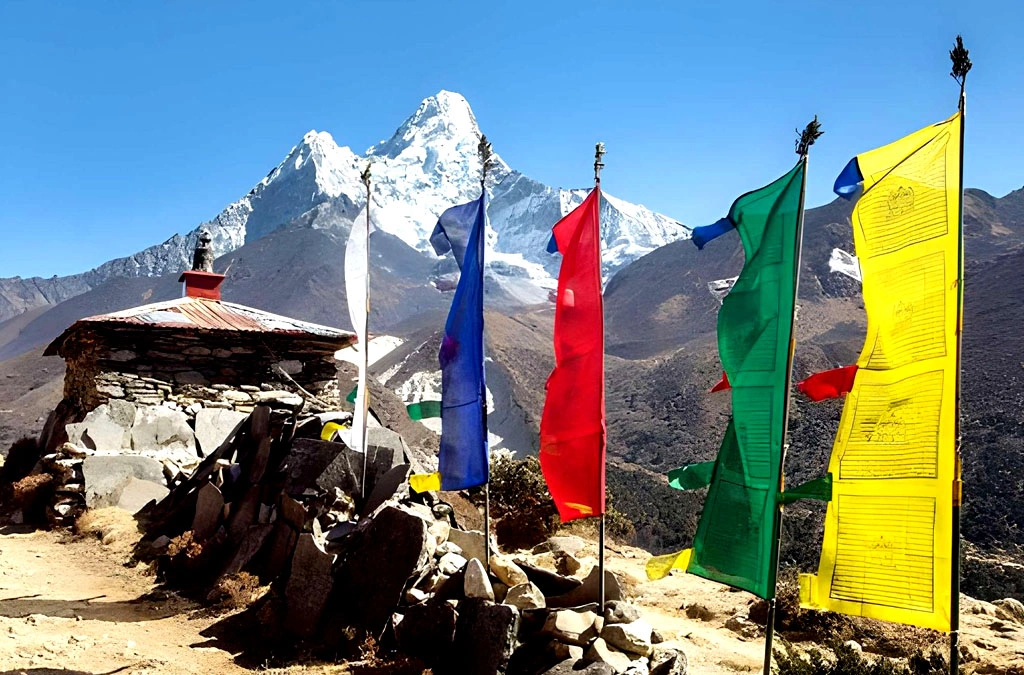
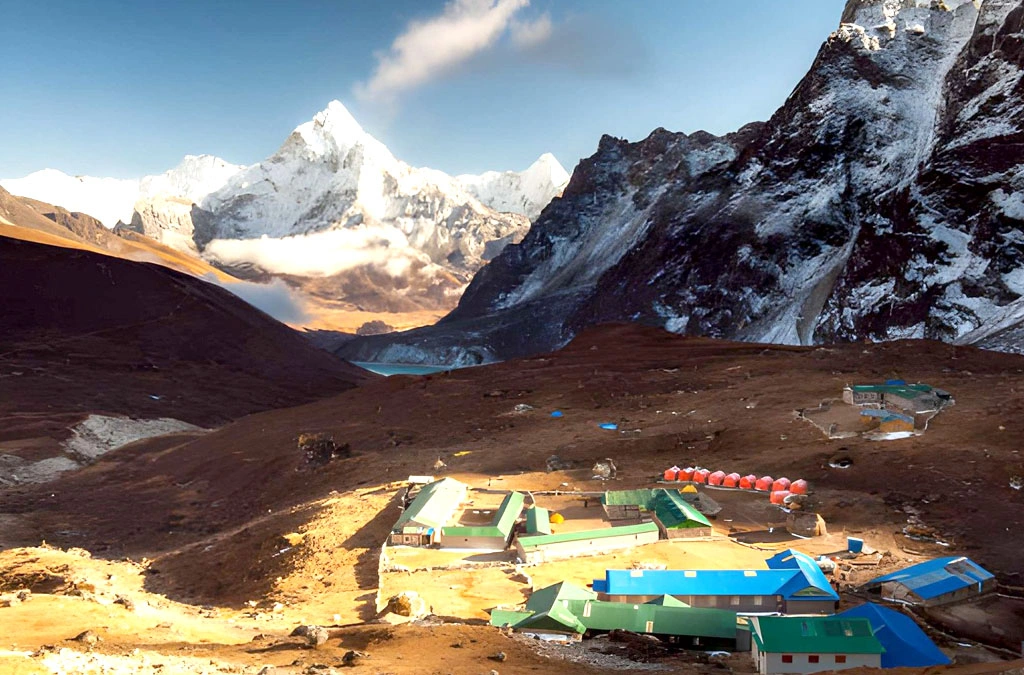
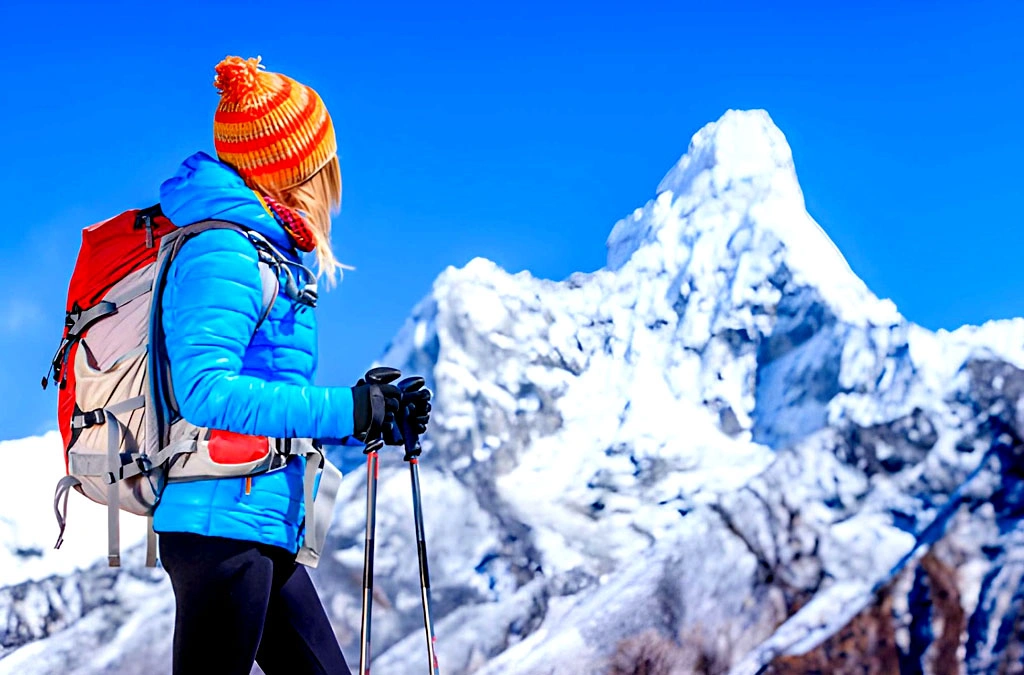
Standing at 6,812 meters (22,349 feet), Ama Dablam is widely known as the “Matterhorn of the Himalayas” because of its striking pyramid-shaped summit, elegant ridges, and technical beauty. Considered one of the most beautiful mountains in the world, Ama Dablam attracts climbers seeking both challenge and unforgettable Himalayan scenery.

The Everest Base Camp Trek serves as the perfect acclimatization journey before the climb. Trekkers gradually adapt to the altitude while passing through traditional Sherpa villages, ancient monasteries, suspension bridges, glaciers, and breathtaking mountain landscapes.

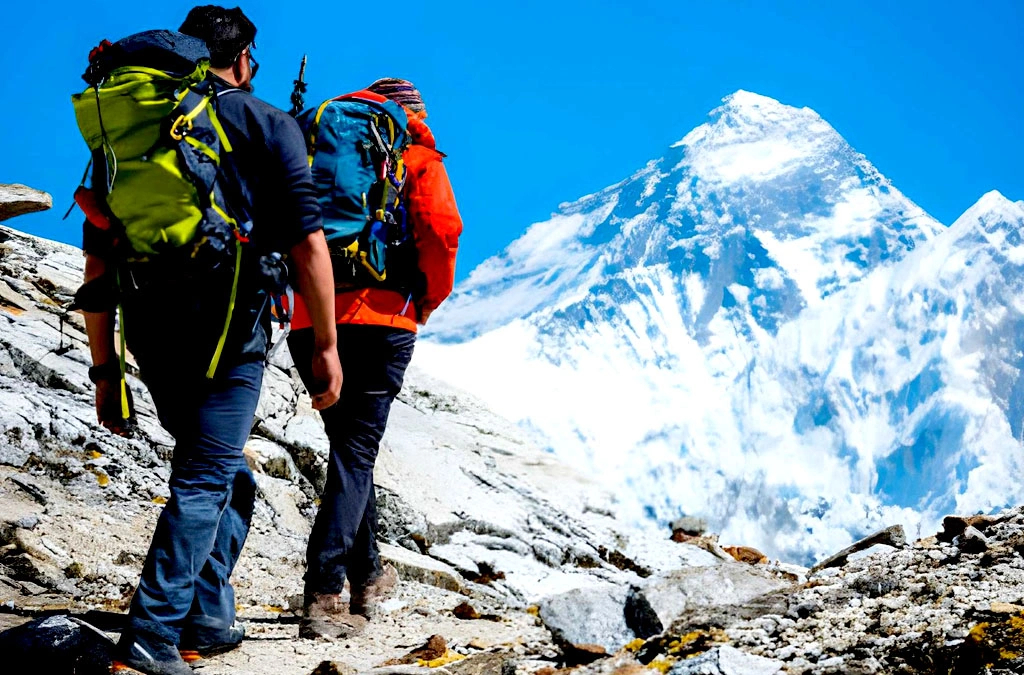
This expedition offers magnificent views of Mount Everest, Lhotse, Nuptse, Makalu, Cho Oyu, Pumori, Thamserku, and many other Himalayan peaks throughout the journey.

Ama Dablam Climbing with Everest Base Camp Trek

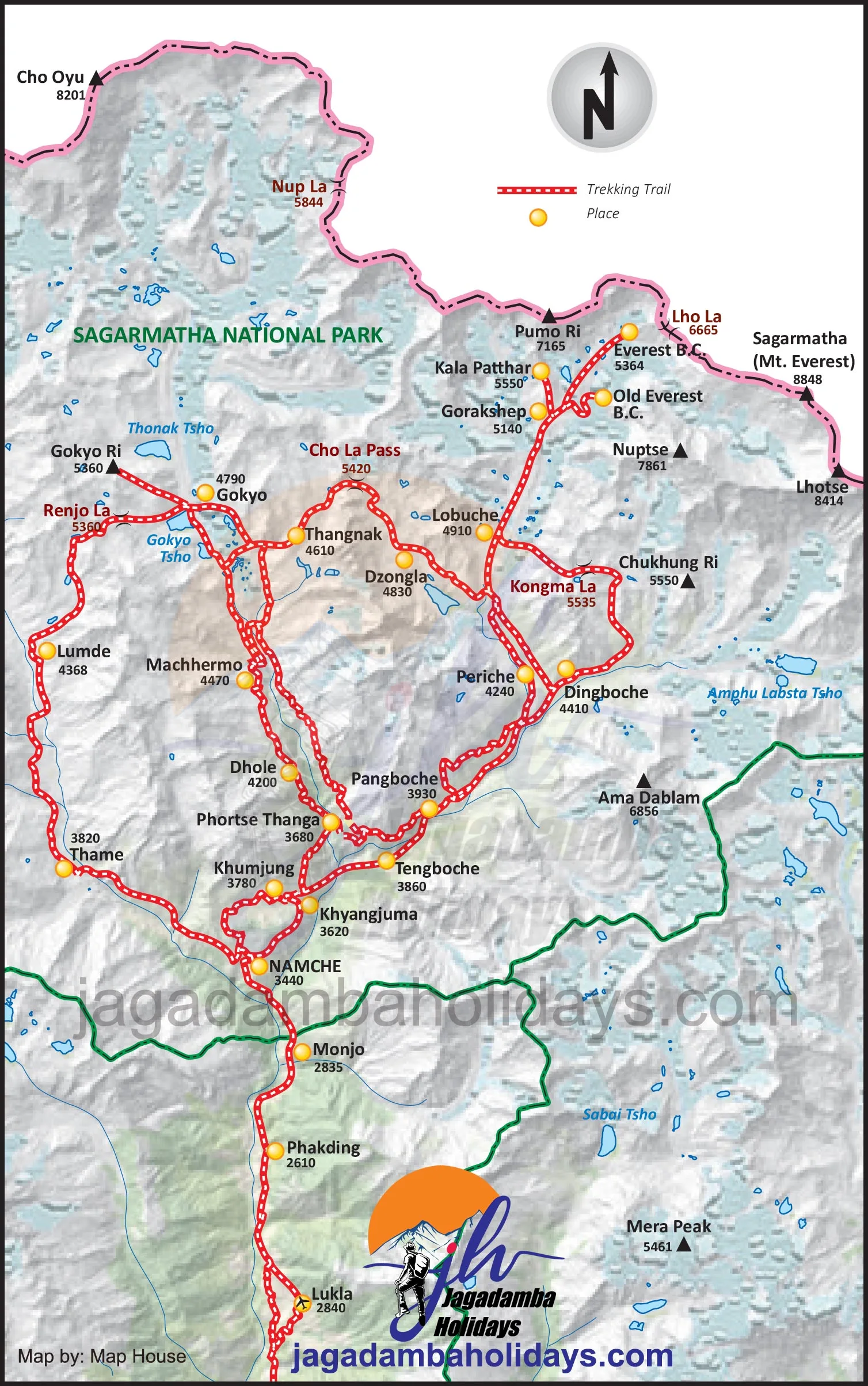
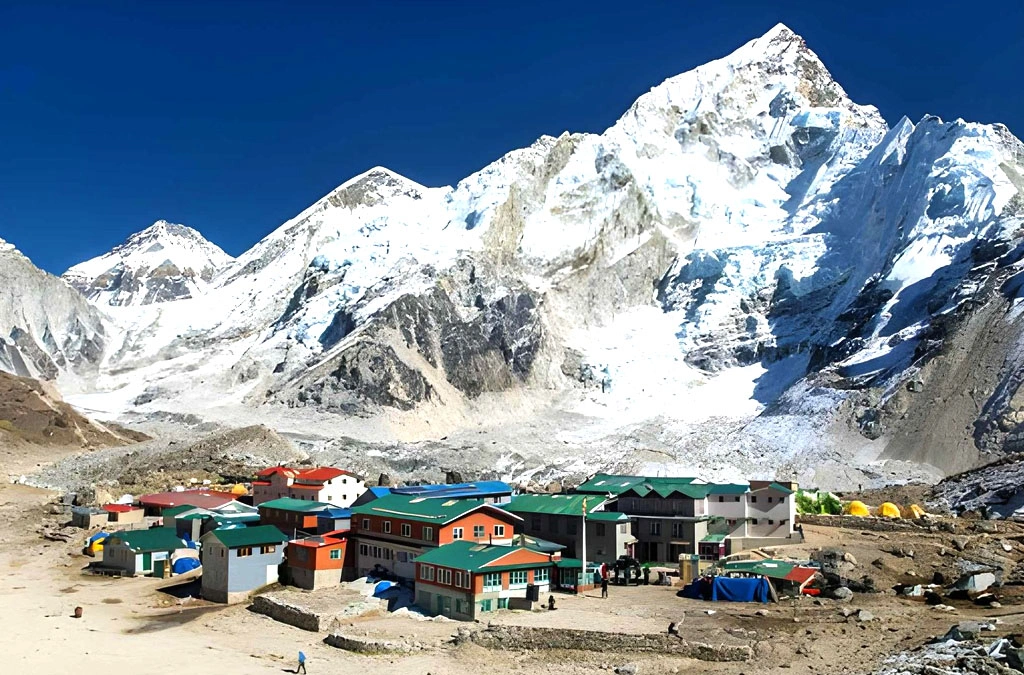
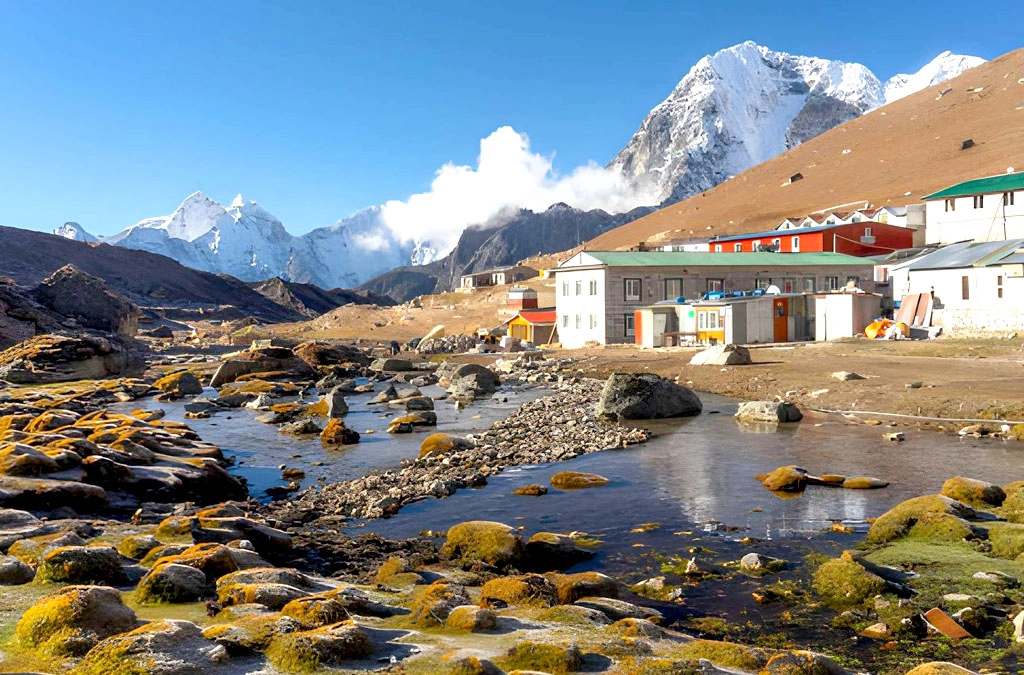
The adventure begins with a scenic mountain flight to Lukla followed by trekking through the famous Everest region. The trail passes through beautiful Sherpa settlements including Phakding, Namche Bazaar, Tengboche, Dingboche, Lobuche, and Gorakshep before reaching Everest Base Camp and Kala Patthar.

The Everest Base Camp Trek not only provides one of the world’s greatest trekking experiences but also allows proper acclimatization before the Ama Dablam climb.

After completing the trek, the expedition continues toward Ama Dablam Base Camp for the main climbing objective.

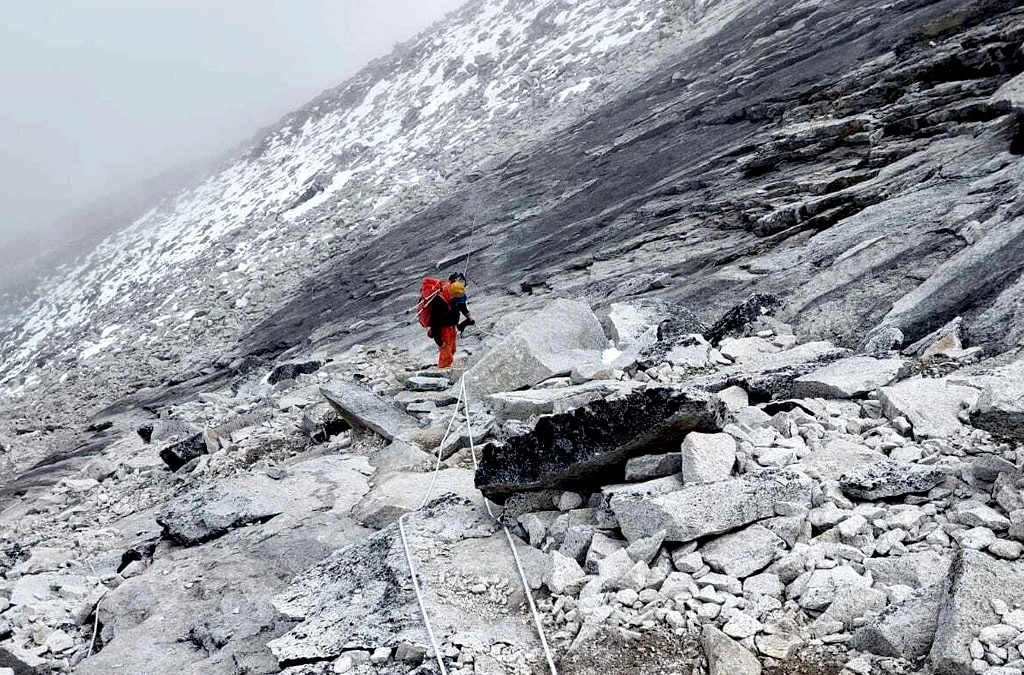
The standard southwest ridge route is regarded as one of the finest alpine climbing routes in the Himalayas. The ascent involves technical rock climbing, exposed ridges, snow slopes, and ice sections, making it a challenging and rewarding climb for experienced mountaineers.

Throughout the expedition, climbers are supported by experienced Sherpa climbing guides who manage route preparation, fixed ropes, camp logistics, safety systems, and summit coordination.

Why Choose This Expedition?

An Ama Dablam Expedition with Everest Base Camp Trek is far more than simply climbing a mountain. It is a complete Himalayan experience that combines trekking, mountaineering, culture, adventure, and personal achievement.

With carefully designed itineraries, experienced climbing staff, and strong logistical support, climbers can focus on enjoying the journey while maximizing safety and summit success.

Small and Exclusive Groups

Small expedition groups provide a safer, more flexible, and more personalized experience.

Benefits of smaller groups include:

  • Personalized attention and support
  • Better communication and coordination
  • Stronger team atmosphere
  • Greater flexibility during climbing rotations
  • Reduced environmental impact

This approach creates a more enjoyable and rewarding climbing experience for every participant.

Expert Sherpa Guides

Professional Sherpa climbing guides play a vital role in every successful Himalayan expedition.

The climbing team provides:

  • Technical climbing guidance
  • Route preparation and fixed rope management
  • Acclimatization support
  • Safety supervision
  • Summit strategy planning
  • Emergency assistance if required

Their extensive experience in the Everest region and high-altitude mountaineering helps climbers safely navigate the technical challenges of Ama Dablam.

Advanced Communication Equipment

Reliable communication is essential during high-altitude expeditions.

The expedition is supported with:

  • Satellite phones
  • Radio communication systems
  • Weather forecasting updates
  • Emergency communication support

These systems ensure smooth coordination between Base Camp, higher camps, guides, and rescue services throughout the expedition.

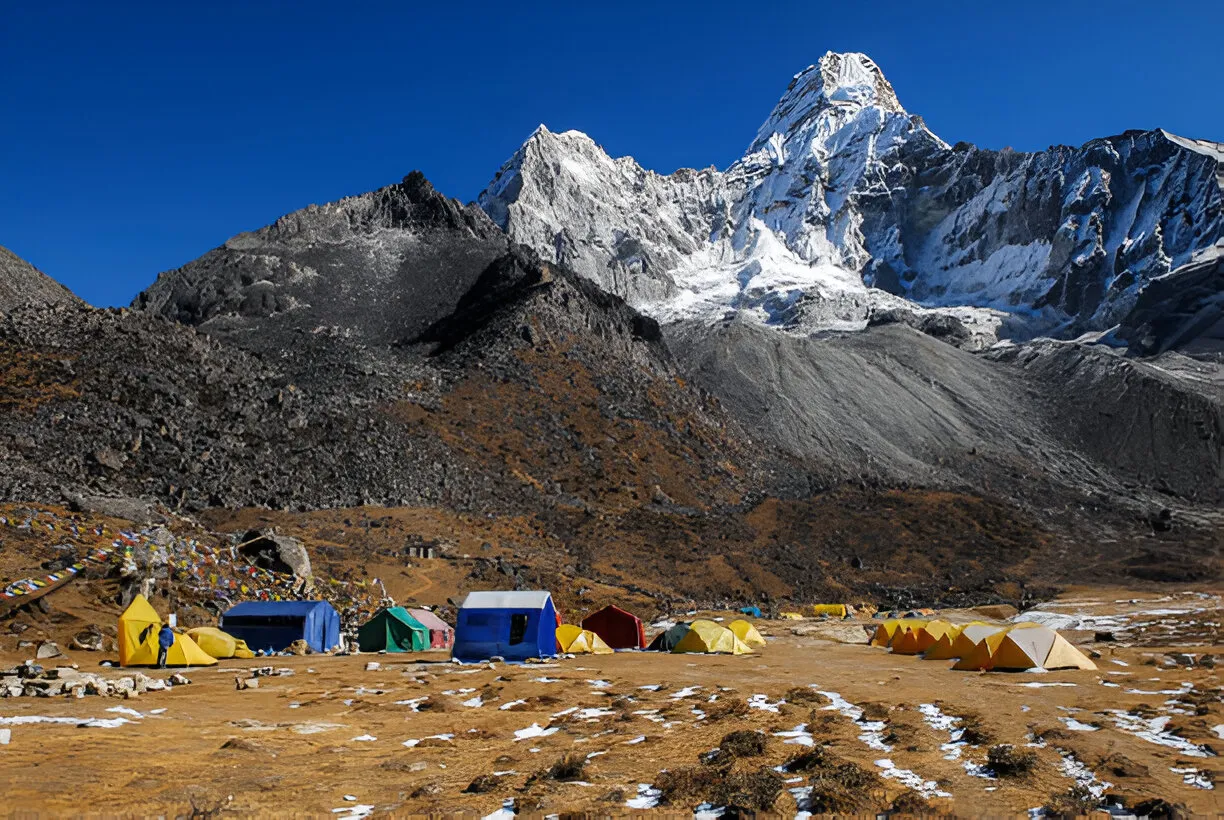
Comfortable Ama Dablam Base Camp

Ama Dablam Base Camp is designed to provide comfort, recovery, and proper support during the climbing period.

Facilities typically include:

  • Comfortable sleeping tents
  • Spacious dining tent
  • Hygienic kitchen facilities
  • Nutritious freshly prepared meals
  • Charging facilities
  • Professional support staff

A well-managed base camp helps climbers maintain energy, recovery, and focus throughout the expedition.

Safety First

Safety remains the highest priority throughout the expedition.

Comprehensive safety measures include:

  • Experienced climbing guides and support staff
  • First-aid and medical equipment
  • Emergency oxygen supplies
  • Detailed evacuation planning
  • Helicopter rescue coordination if required
  • Carefully planned acclimatization schedules

The Everest Base Camp acclimatization program significantly improves adaptation to altitude while helping reduce the risks associated with high-altitude climbing.

Sustainability and Responsible Tourism

Responsible mountain tourism plays an important role in preserving the natural beauty and cultural heritage of the Himalayas.

The expedition follows Leave No Trace principles and promotes environmentally responsible practices while supporting local Sherpa communities and ethical tourism initiatives in Nepal.

Professionalism and Reliability

Successful Himalayan expeditions require careful planning, experienced leadership, and reliable logistical management.

From permits and transportation to accommodations, climbing logistics, and safety systems, every aspect of the expedition is organized with precision to provide a smooth and rewarding climbing experience.

Organization of Personal Climbing Equipment

To make the expedition more convenient and cost-effective, climbers can access rental options for essential mountaineering equipment.

Available rental gear may include:

  • Down sleeping bags
  • Down suits
  • Expedition jackets
  • Climbing harnesses
  • Crampons
  • Ice axes
  • Helmets
  • Technical climbing equipment

This allows climbers to travel more conveniently while still using quality expedition gear during the climb.

Experience the Ultimate Himalayan Adventure

The Ama Dablam Expedition with Everest Base Camp Trek is one of the most extraordinary mountaineering journeys in the Himalayas. Combining the legendary Everest trekking route with the technical beauty of Ama Dablam creates a once-in-a-lifetime adventure filled with challenge, inspiration, culture, and unforgettable mountain scenery.

For climbers seeking an authentic Himalayan expedition experience, Ama Dablam Expedition with Everest Base Camp Trek offers the perfect combination of trekking and technical climbing in the world’s highest mountain range.

With the professional support and experienced expedition team of Jagadamba Holidays Private Limited, climbers can enjoy a safe, well-organized, and memorable Himalayan adventure from arrival in Nepal to the summit of Ama Dablam.

TRIP HIGHLIGHTS

  • Scenic flight to Lukla with breathtaking Himalayan mountain views and thrilling landing
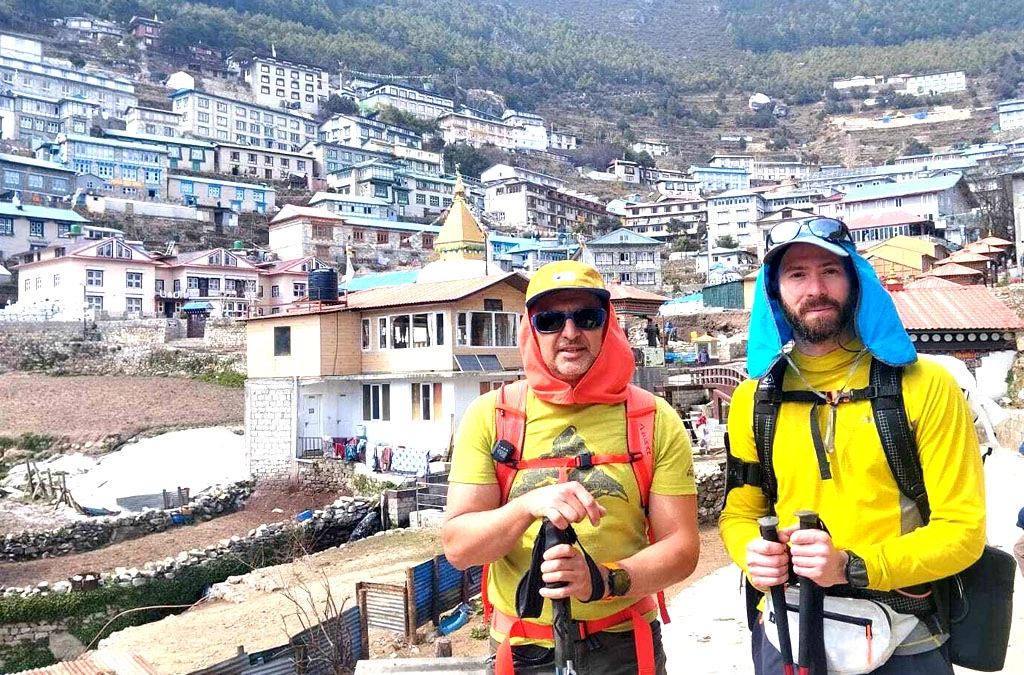
  • Explore Namche Bazaar, the vibrant Sherpa town and acclimatization center of Everest
  • Visit Tengboche Monastery surrounded by stunning Himalayan peaks and spiritual culture
  • Hike to Everest View Hotel for panoramic views of Everest and surrounding mountains
  • Experience Dingboche village and its beautiful high-altitude Himalayan landscapes
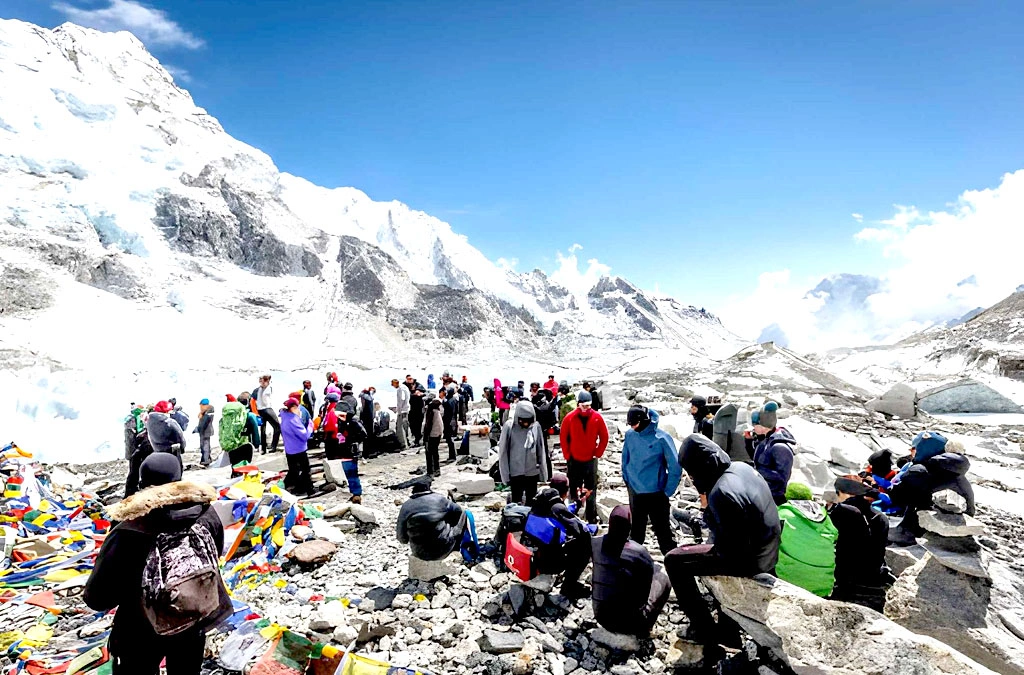
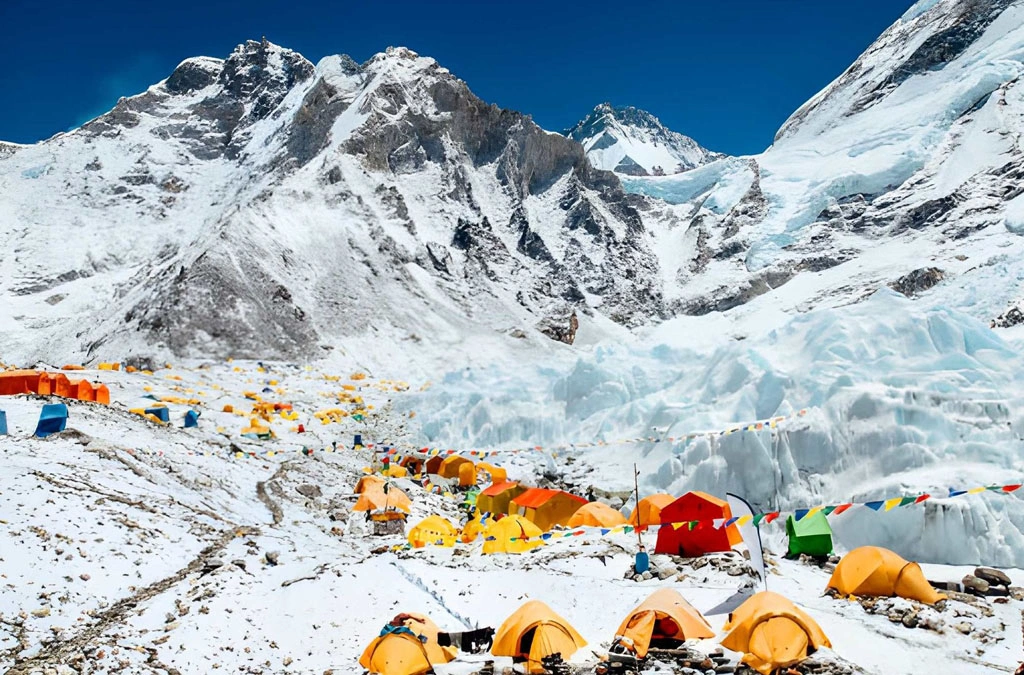
  • Reach Everest Base Camp beside glaciers and the route to the world’s highest peak
  • Climb Kala Patthar (5,550m) for unforgettable sunrise views of Mount Everest
  • Technical ascent of Ama Dablam via exposed ridges, snow slopes, and ice sections
  • Fully supported Himalayan expedition with expert Sherpa guides and safety systems

Live Weather

Real Tempreture
-1.59 °C
Feels Like
-5.17 °C
Humidity
83%
Cloud
scattered clouds

Travel Itinerary

Have a question? Tap the contact icon to chat with us on WhatsApp. We’re here to help!

 + 9779851082817

Cost Includes Cost Includes

  • All transfers within Nepal are included as per itinerary
  • Any domestic flight of Nepal as per trekking itinerary
  • Trekking accommodation (hotel, lodge and/or tent) as per itinerary
  • Small shared room with shared bathroom during trek in Nepal
  • In Kathmandu and/or Pokhara: Stay at ***Hotel with breakfast
  • Luggage for porters during the trek (12.5 kg/person)
  • Enjoy unlimited breakfast, lunch, and dinner throughout the trek.
  • Unlimited tea or coffee for breakfast during the trek
  • An English speaking guide (trekking/tour) as per Itinerary
  • Travel insurance for trekking staff (guides and porters)
  • All expenses of trekking staff(s) during trekking
  • Includes all conservation, national park, trekking, and climbing permits
  • Sightseeing / Wildlife tours if included in the itinerary
  • Farewell dinner in Kathmandu before returning home

Cost Excludes Cost Excludes

  • Single room/single tent surcharge (on request)
  • Round trip/one way international flight ticket to Nepal.
  • Tourist visa for Nepal (30-50 $, depending on length of stay)
  • Personal Insurance (covers: Trip/flight cancellation, helicopter rescue)
  • Meals (lunch, dinner) at hotels in Kathmandu, Pokhara and other cities
  • Drinks (soft, hot or mineral/boiled water) during the lodge trek
  • Any personal trekking and/climbing equipment for trekking in Nepal
  • Hotel expenses in case of early return from trekking for any reason
  • Costs due to flight cancellations & extra porters/horses during the trek
  • Additional costs incurred due to any reason beyond Jagdamba’s control
  • More evidence about pandemics like COVID-19 if needed in the future.
  • Personal expenses during the trek (phone, wifi, shower, charging etc.)
  • Other costs and things that are not mentioned in the service inclusion
  • Gratuity for trekking staff (recommended: 9€ /10$ per traveler per day)

Fixed Departure Fixed Departure

# Date Cost Status Action

Route Map Route Map

routemap images

Freqeuntly Asked Questions

The currency of Nepal is officially recognized as the Nepalese Rupee (NPR). Cash is the most commonly used form of payment, especially in remote areas and during treks. ATMs are available in major cities like Kathmandu and Pokhara, but may be limited or unavailable along trekking routes, so it’s best to carry sufficient cash in small denominations when heading into the mountains.

Yes, most visitors from various countries need a visa to enter Nepal. You can obtain a tourist visa upon arrival at Tribhuvan International Airport in Kathmandu or at various land border crossings. Alternatively, you can apply online through Nepal's official immigration website. You can obtain a tourist visa with options for 15, 30, or 90-day stays. Chinese nationals are exempt from the visa fee.

To travel to Nepal, you must have a valid passport with at least six months of remaining validity, a tourist visa (either obtained on arrival or pre-approved), and, in some cases, proof of your travel itinerary. While not mandatory, it is strongly recommended to carry additional supporting documents, such as travel insurance, flight details, hotel bookings, and vaccination records, especially if you're traveling to remote areas or planning trekking activities.

There is no need for mandatory vaccinations to enter Nepal. However, it is advisable to get vaccinated against Hepatitis A and B, Typhoid, Tetanus, and Rabies, especially if you plan to visit remote areas. Additionally, COVID-19 vaccinations may be required based on current regulations, so it is recommended to check the latest travel advisories for Nepal before your departure.

The baggage allowance for domestic flights in Nepal varies depending on the route. For flights to mountain sectors, such as Lukla, Jomsom, and Dolpo, the typical baggage allowance is 10 kg (22 lbs) for checked luggage and 5 kg (11 lbs) for hand luggage. These routes are often used for trekking, so the luggage limits are generally more restrictive. On the other hand, for trunk routes connecting cities like Pokhara, Biratnagar, Bharatpur, Bhadrapur, Nepalgunj, and Janakpur, the allowance is typically higher. These flights allow 20 kg (44 lbs) for checked luggage and 5 kg (11 lbs) for hand luggage. For both types of routes, any excess baggage is subject to an additional charge, which is calculated per kilogram and should be paid directly at the airport.

When trekking to Everest region in Nepal, it’s crucial to have travel insurance that covers both low and high-altitude trekking, especially at high altitudes like Base Camp (up to 5,800 meters or 19,000 feet). Your insurance policy should include coverage for medical treatment, emergency evacuation (including helicopter rescue), search and rescue services, and trip cancellations or delays. Ensure that your policy specifically covers the risks associated with trekking in remote areas, where emergency response times may be slower. The top 5 insurance providers for trekking in Nepal are UNIQA Insurance Group, Allianz SE, World Nomads, Cover-More Insurance, and The British Mountaineering Council (BMC). Make sure the insurance plan you choose covers the unique challenges of high-altitude trekking, such as emergency evacuations and medical emergencies, to ensure a safe and worry-free trekking experience.

Proper preparation is key to ensuring an enjoyable and safe trekking experience. Start by training physically a few weeks in advance, focusing on cardio, endurance, and practicing hiking with a backpack to get used to carrying weight. This will help your body acclimate to the physical demands of the trek. It’s also important to break in your trekking boots before your trip. Wearing them during training hikes will help avoid blisters and discomfort. Familiarize yourself with your trekking gear (backpack, sleeping bag, trekking poles, etc.) and test everything to make sure it’s functional. Educate yourself about altitude sickness and how to prevent it. Learn the symptoms, stay hydrated, and take it slow at higher altitudes to reduce the risk. Make sure you gather the necessary trekking gear, such as layered clothing, waterproof gear, and a first-aid kit. Don’t forget sunscreen and headlamps for the evenings. Lastly, ensure all your travel documents (passport, trekking permits) and insurance are in order. Double-check that your insurance covers high-altitude trekking, medical emergencies, and evacuation.

Yes, altitude sickness is a common concern for treks above 3,000 meters. To reduce the risk, it is important to ascend slowly, take rest days to allow your body to adjust, drink plenty of water, and avoid alcohol. Your trekking itinerary will typically include rest days to help with acclimatization. Medications like Diamox may help prevent altitude sickness, but it is essential to consult your doctor before traveling to high-altitude destinations or using any medication.

The Everest Region offers a variety of trekking routes, each with its own unique scenery and cultural experiences. Popular routes include the Everest Base Camp Trek, Gokyo Lakes Trek, Three Passes Trek, Island Peak, Lobuche Peak, Mera Peak, Ama Dablam Base Camp Trek, and the classic Jiri to Everest Base Camp Trek. For those seeking a more luxurious trekking experience, the Everest View Trek offers luxury hotels with breathtaking views of Mount Everest and surrounding peaks. These treks provide a mix of challenging terrain and stunning landscapes, with difficulty levels ranging from moderate to challenging.

The best seasons for trekking in the Everest Region are spring (March to April), summer (May to June), and autumn (September to November). These months provide clear skies, mild temperatures, and breathtaking mountain views. Summer (May to June) has become increasingly favorable, offering relatively stable weather conditions for trekking. However, the monsoon season (July to August) brings heavy rainfall, making the trails slippery and more difficult. Winter (December to February) can be extremely cold, especially at higher altitudes, making it less suitable for trekking.

The Everest Base Camp trek is generally considered moderate to challenging, depending on your fitness level. The round-trip trek from Lukla typically takes 12 to 14 days, including acclimatization days. While there is no technical climbing involved, the high altitude, cold temperatures, and long days of walking can make the trek physically demanding.

Temperatures in the Everest Region vary depending on the altitude and season. During peak trekking seasons, daytime temperatures generally range from 5°C to 15°C (41°F to 59°F). However, at higher altitudes like Lobuche and Gorakshep, nighttime temperatures can drop to -10°C (14°F) or even lower. To stay comfortable, it's essential to bring layered clothing and a warm sleeping bag.

We provide a detailed equipment checklist upon booking your trek. Key essentials include a warm down jacket, thermal layers, a sleeping bag rated to -10°C or lower, trekking boots, headlamp, gloves, hats, trekking poles, and a first aid kit. Many of these items can also be rented or purchased in Kathmandu.

For accurate and reliable maps, Himalayan Map House offers excellent trail maps for all major trekking regions in Nepal. As for guidebooks, "Trekking in the Nepal Himalaya" by Lonely Planet and the Cicerone series of trekking guides are highly recommended. These books provide in-depth route descriptions and valuable cultural context for trekkers.

Most trekking tour packages include an experienced guide, one porter for every two trekkers, necessary permits, domestic flights (such as Kathmandu to Lukla), private land transportation (if applicable), accommodation in teahouses, and three meals per day during the trek. Unlimited tea or coffee is also provided during breakfast. However, drinks (other than tea/coffee at breakfast), bottled water, extra beverages, personal gear, travel insurance, tips, and optional activities are typically not included.

On trekking routes in the Everest Region, accommodation mainly consists of teahouses—simple mountain lodges with twin rooms and shared bathrooms. Some teahouses offer hot showers and charging facilities for an extra fee. In more remote areas, accommodations can be basic, while on popular trails like the Everest Base Camp trek, you can find upgraded options, and even luxury lodges in certain areas.

During lodge or teahouse trekking in Nepal, meals are typically provided three times a day. Breakfast and dinner are taken at the teahouse or lodge where you're staying for the night. Common meal options include dal bhat (lentils, rice, and vegetables), noodles, pasta, fried rice, soups, eggs, and momos (dumplings). Tea and coffee are widely available throughout the day. Lunch, however, is flexible. It can be enjoyed at various teahouses or local eateries along the trail, depending on your appetite and what you’ve agreed upon with your guide. If you have any specific dietary restrictions, they can usually be accommodated with prior notice to your trekking agency.

Nepalese cuisine is known for its simplicity, freshness, and vibrant flavors. The national dish, dal bhat, consists of lentils, rice, vegetables, and pickles. Other popular dishes include momo (stuffed dumplings), thukpa (noodle soup), sel roti (fried rice doughnut), and a wide range of curries. Vegetarian options are widely available and commonly enjoyed across the country.

For trekking in the Everest Region, you will need the TIMS (Trekkers' Information Management System) card and a Sagarmatha National Park (SNP) permit. Additionally, trekkers must obtain the Khumbu Pasang Lhamu Rural Municipality Entry Permit, which is required to enter the Khumbu region, including the Everest Base Camp trekking route. These permits can be obtained at Lukla. If you plan to trek to restricted areas, such as Upper Everest, special permits are also required, and a licensed guide is mandatory. Make sure to secure all necessary permits before embarking on your trek.

If you are unable to keep up with the group's pace due to fatigue or altitude, your guide will assess the situation and arrange for support, such as walking with an assistant or porter. In more serious cases, the guide may suggest taking rest days, adjusting the route, or, if necessary, organizing an emergency evacuation. The primary concern is your safety and well-being, and your guide will ensure that appropriate steps are taken to address any challenges you may face.

Yes, especially during the peak seasons (spring and autumn). The Everest Base Camp trek is one of the most popular trekking routes in Nepal, so it can get busy with trekkers from around the world. However, if you’re looking for a quieter experience, you may consider trekking during the off-peak seasons or exploring alternative routes such as the Gokyo Lakes Trek, which offers stunning views of Everest without the crowds.

On the Everest Base Camp trek, you will be accompanied by a government-licensed trekking guide who ensures your safety, manages the logistics, and provides support throughout the trek. For groups of up to six trekkers, one guide is typically sufficient. For larger groups, an additional guide is provided for every six trekkers to ensure personalized attention and proper management. You will also have porters to carry your personal luggage. For every two trekkers, there is one porter. In case of an odd number of trekkers, even then, porters are arranged. For example, if there are three trekkers, two porters will be assigned to ensure an efficient and comfortable trek. In larger groups, assistant guides or kitchen staff may also join to assist with specific needs, especially if the trek involves camping. Your trekking guide will be knowledgeable about the challenges of the Everest region, including managing altitude sickness and navigating remote areas.

The lead guide for the Everest Base Camp trek is a licensed professional, certified by the Department of Tourism, Nepal. They are experienced in managing high-altitude treks and are trained in first aid, altitude sickness prevention, and emergency evacuation procedures. Additionally, they speak English and possess in-depth knowledge of Sherpa culture, the Everest region’s geography, and the specific challenges trekkers may encounter along the route.

Guided treks in Nepal typically cost $30–$100 USD per day, depending on the level of service. Tipping is customary, with $10 USD per day per trekker being a common guideline. Of the total tip, 40% is given to the guide and 60% is shared among the porters. In group treks with more than two porters, this 60% should be divided proportionally based on each porter’s workload and responsibilities.

To book a trekking tour in Nepal, most agencies require an advance deposit of 10–30% of the total cost. We request a non-refundable deposit of USD 100 per trekker to confirm your booking, along with an additional payment for the required domestic flight ticket (e.g., approximately USD 450 for a round-trip flight to Lukla). This advance deposit secures domestic flights and other necessary logistics. We prefer advance payments via bank transfer, while the final payment can be made in cash, either in convertible currency or foreign currency accepted by Nepal Rastra Bank. Once your booking is confirmed, you will receive a detailed itinerary and a gear checklist to help you prepare for the trek.

Yes, trekking itineraries in the Everest region can be customized to match your fitness level, schedule, and preferences. You can add extra acclimatization days, explore side trails like Gokyo Lakes or Ama Dablam Base Camp, or choose an alternative route such as Jiri to Everest Base Camp. Jagadamba Holidays is happy to adjust the itinerary to suit each trekker’s needs.

Cancellation and rescheduling policies vary by agency. Jagadamba Holidays offers partial refunds or trip credits for cancellations made in advance. However, permit fees and domestic flight tickets are non-refundable. Rescheduling is possible with prior notice and flexibility on dates. We recommend reviewing our specific cancellation policy before confirming your booking.

Reviews And Rating

How was your experience with us ?

Related Adventure Trips

Other Himalayan Trips You Might Like