LOBUCHE PEAK EXPEDITION
US$4,500.00
/pp
-
18 Days
-
Everest
-
Spring/Autumn
-
Trek & Climb
-
6,119 Meters
-
Strenuous
-
Car / Plane
-
02-16 People
-
JH#232
 Overviews
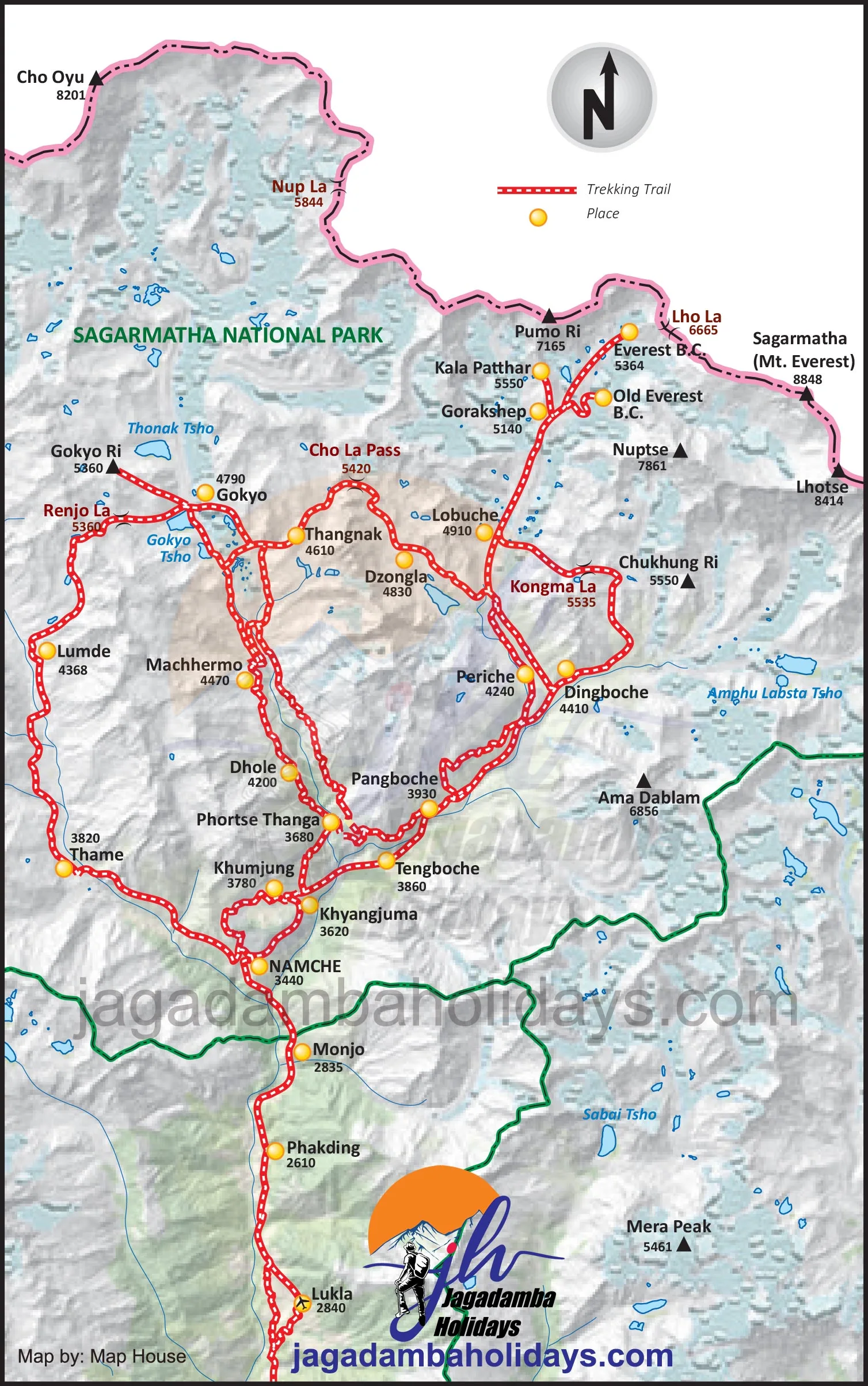
The Lobuche Peak Expedition is an exciting Himalayan mountaineering adventure in Nepal's Everest region, combining high-altitude trekking, spectacular mountain scenery, traditional Sherpa villages and the challenge of climbing Lobuche East (6,119m). This 18-day Lobuche Peak climbing journey follows a scenic route through the Gokyo Valley and across the famous Cho La Pass before reaching the Lobuche East climbing area. Along the way, you will explore the turquoise Gokyo Lakes, climb Gokyo Ri and cross one of the most rewarding high mountain passes in the Khumbu region. Your Lobuche Peak Expedition begins with a scenic flight from Kathmandu to Lukla, followed by a trek through traditional Sherpa settlements, suspension bridges, alpine forests and dramatic Himalayan landscapes. After reaching Namche Bazaar, the main trading centre of the Khumbu region, you will spend an additional day acclimatising before continuing towards the quieter Gokyo Valley. Designed for adventure seekers with good physical fitness and suitable preparation, this Lobuche East Peak climbing expedition combines the natural beauty of the Everest region with an exciting high-altitude climbing challenge. The journey includes gradual altitude gain, acclimatisation opportunities and time to prepare for the technical demands of the summit. Under the guidance of an experienced climbing team, you will learn to navigate glaciated terrain, use essential mountaineering equipment and follow established climbing techniques. Reaching the summit of Lobuche East offers spectacular views of Mount Everest, Lhotse, Nuptse, Ama Dablam and other Himalayan giants. The expedition then descends through the beautiful Khumbu Valley towards Lukla, completing a rewarding adventure that brings together Everest region trekking, high-altitude mountaineering and the remarkable landscapes of the Nepal Himalayas. Gokyo Valley and AcclimatisationFrom Namche Bazaar, the trail leaves the main Everest Base Camp route and follows the beautiful Gokyo Valley through Dole and Machhermo. As you gain altitude, the landscape gradually changes from green hillsides and rhododendron forests to alpine meadows, rocky terrain and glacial surroundings. After reaching Gokyo (4,790m), you will have an acclimatisation day with an optional hike towards the Fifth Gokyo Lake. This excursion offers magnificent views of the surrounding Himalayan peaks and provides an opportunity to explore the upper Gokyo Valley. The following day, you will climb Gokyo Ri (5,357m), one of the finest viewpoints in the Everest region. From the summit, enjoy panoramic views of Mount Everest, Lhotse, Makalu, Cho Oyu and the surrounding Himalayan mountain ranges. After the ascent, continue towards Thangnak, crossing the rocky terrain of the Ngozumpa Glacier area. Crossing Cho La PassOne of the major highlights of the expedition is crossing Cho La Pass (5,420m), a challenging high-altitude mountain pass connecting the Gokyo Valley with the Khumbu Valley. The route involves steep trails, rocky sections and potentially icy or snow-covered terrain, depending on the season and weather conditions. After crossing the pass, descend towards Dzongla (4,830m), a small mountain settlement surrounded by impressive Himalayan scenery. From Dzongla, continue towards Lobuche East High Camp, where the expedition transitions from high-altitude trekking to mountaineering preparation. Lobuche East Peak Climbing (6,119m)Lobuche East is one of Nepal's popular trekking peaks, offering an excellent introduction to Himalayan mountaineering for trekkers with suitable fitness, preparation and basic climbing experience. The mountain features steep snow and ice slopes near the summit, requiring the use of mountaineering equipment and appropriate climbing techniques. At High Camp, your climbing team will prepare for the summit attempt, checking equipment and reviewing essential safety procedures. Depending on the snow, ice and weather conditions, the ascent may involve crampons, ice axes, fixed ropes, harnesses and jumars. Previous experience with these techniques is beneficial, although the climbing leader will provide guidance and practical instruction as required. The summit attempt begins early in the morning to take advantage of more favourable mountain conditions. Reaching the summit of Lobuche East (6,119m) is a rewarding achievement, with spectacular views across the Everest region and its surrounding Himalayan peaks. After reaching the summit, descend carefully with your climbing team and continue towards Dingboche, subject to weather, route conditions and the climbing leader's assessment. A suitable summit schedule and sufficient time for descent are essential for the safety of the expedition. Return Trek through the Khumbu ValleyFollowing the climbing programme, the return journey descends through Dingboche and Tengboche towards Monjo and Lukla. The trail passes traditional Sherpa villages, Buddhist monasteries, prayer flags, mani walls and spectacular mountain landscapes. At Tengboche, you can appreciate the region's Buddhist heritage and enjoy views of Ama Dablam and other surrounding peaks. Continuing downhill through Namche Bazaar and Monjo, you eventually reach Lukla, where you take a return flight to Kathmandu. An additional buffer day in Kathmandu is included to accommodate possible flight delays from Lukla before your international departure. Difficulty and Physical PreparationThe Lobuche Peak Expedition is a challenging high-altitude adventure involving several days of trekking above 4,000m, a crossing of Cho La Pass at 5,420m and a summit attempt at 6,119m. The combination of long walking days, steep ascents, glacier terrain and cold mountain conditions requires good physical fitness and mental preparation. Previous high-altitude trekking experience is strongly recommended. Basic mountaineering experience, including familiarity with crampons, ice axes and fixed-rope techniques, is beneficial. Participants should also be comfortable walking for several hours a day on uneven mountain trails. Proper acclimatisation is particularly important throughout the journey. Following the climbing leader's instructions, maintaining a steady walking pace and allowing sufficient time for rest and hydration will help support a safer expedition. Best Time for Lobuche Peak ClimbingThe best seasons for the Lobuche Peak Expedition are spring (March to May) and autumn (September to November). These periods generally offer more favourable weather, better mountain visibility and suitable conditions for high-altitude trekking and climbing. Spring (March to May) Spring is one of the most popular seasons for Lobuche Peak climbing. Temperatures gradually become warmer, the days are longer and the mountain trails become more comfortable for trekking. April and May are particularly popular for summit attempts, although snow and ice conditions can vary at higher elevations. Autumn (September to November) Autumn offers generally clear skies, excellent mountain views and relatively stable weather following the monsoon season. October and November are popular months for trekking and climbing in the Everest region. However, temperatures become colder towards November, particularly at High Camp and during the summit attempt. Both seasons are suitable for the Gokyo Ri, Cho La Pass and Lobuche East climbing programme. Weather, snowfall and wind conditions can change quickly at high altitude, so the final summit schedule should remain flexible. Climbing Gear and EquipmentLobuche East is a technical trekking peak requiring appropriate mountaineering equipment for the summit attempt. Climbers should bring suitable personal climbing equipment and clothing to protect themselves against cold temperatures, snow, ice and strong mountain winds. Recommended Climbing Equipment Mountaineering boots compatible with crampons. Crampons suitable for the climbing boots. Climbing harness. Climbing helmet. Ice axe. Adjustable trekking or climbing poles. Jumar (ascender). Figure-eight descender or an appropriate belay/rappel device. Locking and non-locking carabiners. Slings and safety lanyards, as advised by the climbing guide. Insulated climbing gloves and waterproof outer gloves. Warm down jacket suitable for high-altitude climbing. Climbing goggles and UV-protection sunglasses. Headlamp with spare batteries. Climbing gaiters. Insulated water bottles or a thermos. Some technical climbing equipment, such as fixed ropes and anchors, will be managed by the climbing team according to route conditions and the expedition's safety arrangements. The final equipment list should be confirmed with your climbing leader before departure. Trekking Gear and Personal EquipmentIn addition to mountaineering equipment, trekkers need suitable clothing and personal equipment for the multi-day journey through the Gokyo Valley, Cho La Pass and the Everest region. Temperatures vary considerably between lower villages and high-altitude camps, so a practical layering system is essential. Clothing Moisture-wicking trekking shirts and thermal base layers. Warm fleece or insulated mid-layers. Waterproof and windproof jacket and trousers. Down or insulated jacket. Comfortable trekking trousers. Thermal leggings and warm base layers. Lightweight trekking socks and warm wool socks. Warm hat, sun hat and neck gaiter or buff. Lightweight gloves and insulated gloves. Comfortable underwear and quick-drying clothing. Footwear Comfortable, waterproof trekking boots with good ankle support. Lightweight camp shoes or sandals. Spare trekking socks. Gaiters for snow and muddy trail conditions. Personal Equipment Duffel bag for porter-carried luggage. Daypack of approximately 25–35 litres. Sleeping bag suitable for temperatures around -15°C to -20°C, depending on the season and accommodation arrangements. Trekking poles. Sunglasses with strong UV protection. Sunscreen and SPF lip balm. Reusable water bottles or hydration system. Water purification tablets or a suitable filtration system. Personal toiletries and quick-drying towel. Personal medication and a basic first-aid kit. Camera, phone and portable power bank. Travel documents, permits and insurance details. Pack clothing and equipment according to the season and expected mountain conditions. Your climbing leader will provide the final technical equipment checklist and confirm which climbing items are supplied by the expedition team and which must be brought personally. Why Choose Jagadamba Holidays?Jagadamba Holidays organises trekking and peak-climbing adventures in Nepal, with practical knowledge of the Everest region and its mountain routes. Our expedition arrangements include airport transfers, domestic flights, trekking accommodation, meals as specified, experienced trekking and climbing staff, and the necessary climbing logistics according to the agreed programme. Whether you are looking to experience the beautiful Gokyo Valley, cross Cho La Pass or challenge yourself with a Himalayan summit, the Lobuche Peak Expedition combines these experiences into one memorable mountain adventure in Nepal. Join Jagadamba Holidays for an unforgettable journey through the Everest region and the rewarding challenge of climbing Lobuche East (6,119m).
Itinerary (Plan)
Upon arrival at Kathmandu's Tribhuvan International Airport, you will be warmly greeted by a representative from Jagadamba Holidays with traditional marigold garlands. After the welcome, you will be escorted to your hotel in a private vehicle. Once checked in, take time to relax and settle in after your journey. Depending on your arrival time, you can explore the local markets, sample traditional Nepali cuisine or enjoy the vibrant atmosphere of Kathmandu. Airport Meeting Point After collecting your luggage, proceed to the ground floor of the airport terminal. Inside the arrival hall, look for the Himalayan Java Coffee Shop in the south corner. This is your designated meeting point, where Mr Narendra Bohara will be waiting to welcome you. If you have any difficulty finding the meeting point or locating our representative, please contact Mr Narendra Bohara directly via WhatsApp at +977 9851082817. Optional Activity: Explore Kathmandu Durbar Square If time permits, explore the historic Kathmandu Durbar Square, located approximately 15 minutes' walk south of your hotel in Thamel. This UNESCO World Heritage Site is one of Kathmandu's cultural highlights, featuring ancient royal palaces, beautifully carved wooden windows, pagoda-style temples and traditional Newari architecture. Visit Hanuman Dhoka Royal Palace, admire the historic courtyards and discover the rich artistic and cultural heritage of the Kathmandu Valley. You can explore on foot at your own pace or enjoy a traditional cycle rickshaw ride from Thamel. This optional activity is not included in the standard itinerary.
Normally, we arrange a direct flight from Kathmandu to Lukla (2,846 m / 9,350 ft.). However, if a direct flight is unavailable, we will use the alternative route via Ramechhap. If your flight departs from Manthali Airport in Ramechhap, we will adjust the arrangements according to your schedule. If time permits, we will explore some of the highlights of the Kathmandu Valley before driving to Manthali for an overnight stay. Alternatively, if time is limited, we will depart Kathmandu at around 2:00 AM on Day 2 for the approximately 132-kilometre drive to Manthali, which takes about four hours. This early departure allows us to reach the airport in time for the first flight to Lukla, usually scheduled around 6:30 AM. Upon arrival in Lukla, your guide will introduce you to your porter. After a short tea break, we will begin our trek to Phakding (2,620 m / 8,595 ft.), following a scenic trail through traditional Sherpa settlements and Nurning Ghat (2,590 m). The trek covers approximately 8.5 kilometres and takes around 3–4 hours, with an ascent of 190 metres and a descent of 380 metres. Phakding is a picturesque mountain village and a popular first overnight stop for trekkers heading towards Everest Base Camp. Upon arrival in Phakding, you can relax and enjoy the peaceful mountain surroundings. Later, meet your guide to discuss the evening arrangements and the following day's trekking schedule.
After breakfast at the lodge, begin your trek from Phakding to Namche Bazaar (3,440 m / 11,286 ft). Follow the Dudh Koshi River through pine and rhododendron forests. Cross suspension bridges decorated with colourful prayer flags and pass traditional Sherpa villages. Enjoy beautiful mountain scenery along the way. The trek covers approximately 9.5 km and takes around 5–6 hours. You will gain 860 m in elevation and descend 190 m. Pass through Monjo (2,835 m), enter Sagarmatha National Park and cross the famous Hillary Suspension Bridge. The final section involves a steady uphill climb to Namche Bazaar. You can stop for lunch at a local lodge and enjoy refreshments at tea shops along the trail. Upon reaching Namche Bazaar, check into your lodge and relax. Known as the Gateway to Everest, Namche is a lively Sherpa town with local markets, shops, cafés and bakeries. Enjoy the mountain views and explore the town at your own pace. Dinner and breakfast are included, with overnight accommodation in a twin-sharing room.
Enjoy a well-deserved acclimatisation day in Namche Bazaar (3,440 m / 11,286 ft.) after breakfast at the lodge. You can relax in town or take an optional scenic hike to Khunde via Khumjung village and the famous Everest View Hotel (3,880 m / 12,730 ft.). This hike offers a good opportunity to adjust to the altitude while exploring the beautiful Khumbu region. The trail climbs through traditional Sherpa settlements, offering spectacular views of Mount Everest, Lhotse and Ama Dablam. Stop at Everest View Hotel for refreshments and enjoy the panoramic mountain scenery before continuing to Khunde. You can explore the local Sherpa museum and historic monasteries before returning to Namche Bazaar. The round-trip hike covers approximately 8.10 km and takes around 5–6 hours, with an ascent of 550 m and a descent of 550 m. You can stop for lunch at a local lodge and enjoy refreshments at tea shops along the trail. After returning to Namche Bazaar, enjoy some free time to explore the town, visit local shops or relax at a café overlooking the mountains. Namche is the main trading centre of the Khumbu region, with bakeries, cafés and traditional Sherpa shops. Enjoy the mountain views and explore the town at your own pace. Dinner and breakfast are included, with overnight accommodation in a twin-sharing room.
After breakfast at the lodge, begin your trek from Namche Bazaar to Dole (4,200 m / 13,780 ft.) via Mong La Pass (3,975 m). The trail gradually climbs through beautiful rhododendron and pine forests. Along the way, you may spot Himalayan wildlife, including mountain goats, yaks and colourful Himalayan pheasants. The trek covers approximately 11.8 km and takes around 6–7 hours. You will gain 1,160 m in elevation and descend 550 m. At Mong La Pass, enjoy impressive views of Ama Dablam and Thamserku before descending towards the Gokyo Valley through alpine meadows, yak pastures and small Sherpa settlements. You can stop for lunch at a local lodge and enjoy refreshments at tea shops along the trail. Upon reaching Dole, check into your lodge and relax. This peaceful Sherpa settlement sits above the tree line and offers beautiful views of the surrounding hills and Himalayan peaks. You can explore the village, visit nearby yak pastures or simply enjoy the quiet mountain atmosphere. Enjoy the mountain views and explore the village at your own pace. Dinner and breakfast are included, with overnight accommodation in a twin-sharing room.
After breakfast at your lodge in Dole, begin your trek to Machhermo (4,470 m / 14,665 ft.). The trail gradually climbs through alpine meadows and high-altitude pastures, passing grazing yaks and traditional stone houses. As you gain altitude, enjoy beautiful views of the surrounding Himalayan peaks, including Cho Oyu (8,201 m), the sixth-highest mountain in the world. The trek covers approximately 5 km and takes around 3–4 hours. You will gain 400 m in elevation and descend 50 m. Along the way, pass through Luza (4,360 m), where you can take a short break and enjoy the mountain scenery. The trail continues through rugged landscapes, small streams and open valleys towards Machhermo. You can stop for lunch at a local lodge and enjoy refreshments at tea shops along the trail. Upon reaching Machhermo, check into your lodge and relax. This peaceful mountain village is known for its yak pastures and a reported yeti sighting in 1974. You can also visit the Machhermo Porter Rescue Center to learn about altitude sickness and high-altitude safety. Enjoy the mountain views and explore the village at your own pace. Dinner and breakfast are included, with overnight accommodation in a twin-sharing room.
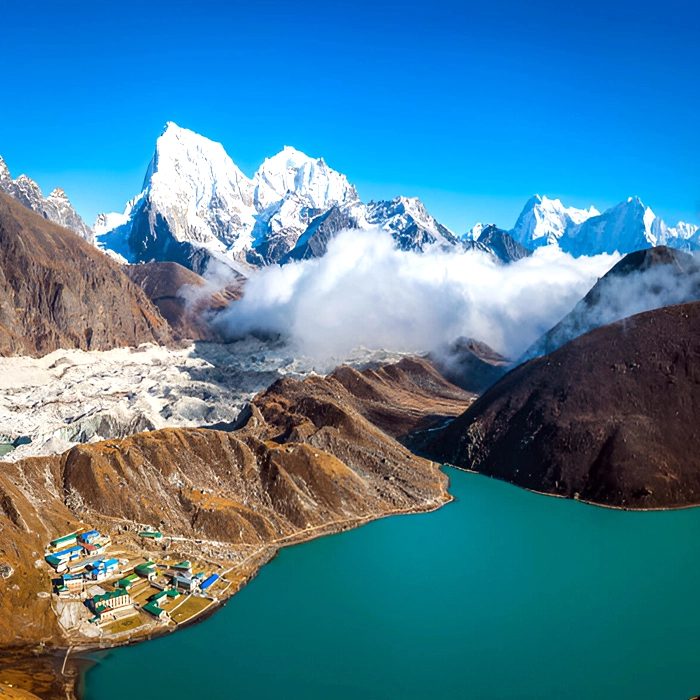
After breakfast at your lodge in Machhermo, begin your trek to Gokyo (4,790 m / 15,715 ft.), a beautiful mountain village beside the famous Gokyo Lakes. The trail gradually climbs through alpine meadows and open valleys, offering spectacular views of the surrounding Himalayan peaks. Along the way, you may spot grazing yaks and Himalayan mountain goats. The trek covers approximately 7 km and takes around 3–4 hours. You will gain 390 m in elevation and descend 30 m. Enjoy views of Cho Oyu (8,201 m) and other towering Himalayan peaks as you approach the turquoise glacial lakes. The trail follows the edge of the beautiful Gokyo Lakes, where you can stop to admire the changing colours of the water and capture photographs. You can stop for lunch at a local lodge and enjoy refreshments at tea shops along the trail. Upon reaching Gokyo, check into your lodge and relax. This beautiful mountain settlement sits beside the turquoise Gokyo Lakes, surrounded by impressive snow-capped peaks. You can explore the lakeshore, enjoy the peaceful mountain scenery or prepare for the optional hike to Gokyo Ri the following day. Enjoy the mountain views and explore the village at your own pace. Dinner and breakfast are included, with overnight accommodation in a twin-sharing room.
Enjoy breakfast at your lodge in Gokyo (4,790 m / 15,715 ft.) before spending a day acclimatising to the high altitude. You can relax at the lodge, enjoy the peaceful surroundings or take in the spectacular views of the Gokyo Valley. This rest day helps your body adjust to the altitude before continuing your high-altitude adventure. For those seeking more adventure, take an optional hike to Ngozumpa Tse (Fifth Lake, 5,040 m / 16,535 ft.) via the fourth lake. The trail follows the shores of the beautiful glacial lakes, offering impressive views of Cho Oyu and the surrounding Himalayan peaks. Enjoy the remote alpine landscape and take photographs of the crystal-clear lakes reflecting the mountains. The round-trip hike covers approximately 11.8 km and takes around 6–7 hours, with an ascent and descent of approximately 250 m each. You can stop for lunch at a local lodge (packed lunch; no lodges or tea shops available along the trail). After returning to Gokyo, relax at your lodge and enjoy the peaceful mountain atmosphere. You can spend the evening exploring the lakeshore, meeting fellow trekkers or preparing for the next day's hike to Gokyo Ri. Enjoy the mountain views and explore the village at your own pace. Dinner and breakfast are included, with overnight accommodation in a twin-sharing room.
Start your day early with a challenging hike from Gokyo (4,790 m / 15,715 ft.) to Gokyo Ri (5,360 m / 17,585 ft.) to enjoy a spectacular Himalayan sunrise. The steep trail climbs above Gokyo village, offering increasingly impressive views of the surrounding mountains. From the summit, admire panoramic views of Mount Everest (8,848.86 m), Lhotse (8,516 m), Makalu (8,481 m) and Cho Oyu (8,188 m) as the first sunlight illuminates the snow-covered peaks. After enjoying the sunrise and taking photographs, descend to Gokyo village and continue your trek towards Dragnag (4,700 m / 15,420 ft.). The trail passes through rugged glacial moraines and the dramatic landscapes of the Ngozumpa Glacier. The day's journey, including the round-trip hike to Gokyo Ri, covers approximately 7 Km and takes around 6–7 hours. You will gain 570 m in elevation and descend 660 m. You can stop for lunch at a local lodge and enjoy refreshments at tea shops along the trail. Upon reaching Dragnag, check into your lodge and relax after a rewarding day in the mountains. This small settlement lies beneath towering Himalayan peaks and provides a peaceful resting place before crossing Cho La Pass on the following day. Enjoy the mountain views and explore the village at your own pace. Dinner and breakfast are included, with overnight accommodation in a twin-sharing room.
After breakfast at your lodge in Dragnag (4,700 m / 15,420 ft.), begin your challenging trek to Dzongla (4,830 m / 15,846 ft.) via Cho La Pass (5,420 m / 17,782 ft.). The trail climbs steadily over rocky terrain towards the pass. As you gain altitude, enjoy spectacular views of the surrounding Himalayan peaks and rugged mountain landscapes. The trek covers approximately 9 km and takes around 7–8 hours. You will gain 740 m in elevation and descend 610 m. The ascent to Cho La Pass involves steep and rocky sections, while the descent may be icy or snow-covered depending on the season. At the pass, enjoy panoramic views of Ama Dablam, Cholatse and Lobuche East, surrounded by colourful prayer flags. You can stop for lunch at a local lodge and enjoy refreshments at tea shops along the trail. After crossing Cho La Pass, descend through glacial moraines and rugged mountain terrain towards Dzongla. Upon arrival, check into your lodge and relax after this demanding mountain crossing. Dzongla is a small, peaceful settlement surrounded by impressive Himalayan peaks, offering a quiet place to recover before continuing towards Lobuche. Enjoy the mountain views and explore the village at your own pace. Dinner and breakfast are included, with overnight accommodation in a twin-sharing room.
After breakfast at your lodge in Dzongla, begin your trek towards Lobuche High Camp (5,200 m / 17,060 ft.). Follow the rocky mountain trail as it gradually climbs towards the base of Lobuche East. The route passes through rugged, high-altitude terrain, with impressive views of the surrounding Himalayan peaks. Take your time and maintain a steady pace as you approach the climbing camp. The trek covers approximately 3.15 km and takes around 3–4 hours, with an elevation gain of 460 m and a descent of 60 m. The final section involves a steeper climb over rocky ground before reaching Lobuche High Camp. Upon arrival, enjoy a freshly prepared lunch cooked by your expedition cook in the camp kitchen. After lunch, settle into your tent and prepare for the Lobuche East Peak (6,119 m) Summit attempt. Your climbing guide will check your climbing equipment, including harnesses, crampons and other essential gear, and provide a briefing on the summit route, climbing techniques and safety procedures. Spend the remaining afternoon resting, hydrating and preparing your personal equipment. Enjoy a freshly cooked dinner at camp and get an early night's rest before the early-morning summit climb. Overnight accommodation is in a tent at Lobuche High Camp.
Start early at around 1:00 AM from Lobuche High Camp (Lobuche Lake Camp, 5,200m) for the summit attempt on Lobuche East (6,119m). The route begins with a steep climb over loose moraine boulders and granite slabs towards the higher camp. Continue towards the snow and ice slopes, where you will put on your crampons. Use fixed ropes where required to climb the steep sections and final ridge leading to the Lobuche East summit (6,119m). The climb requires good fitness, careful footing and basic mountaineering skills. Take in the breathtaking panoramic views of Mount Everest, Lhotse, Nuptse, Ama Dablam and the surrounding Himalayan peaks and glaciers from the Lobuche East summit (6,119 m). After spending some time at the summit (6,119m), descend carefully along the same route to High Camp (5,800m). The summit climb and return cover approximately 9.5 km round trip (4.75 km each way), with around 919 m of elevation gain. This section takes approximately 7–9 hours, depending on weather conditions and individual fitness. After a short rest at High Camp, continue downhill towards Thukla (4,604m) and then trek to Dingboche (4,410m). This section covers approximately 8.5 km and takes around 4–5 hours, with a nominal elevation gain and an elevation loss of 930m. Arrive in Dingboche (4,410m) after a long and challenging day. Enjoy a well-earned rest and overnight stay in a local lodge.
After breakfast at your lodge in Dingboche, begin your trek to Tengboche (3,860 m / 12,664 ft.), passing through the traditional Sherpa village of Pangboche (3,985 m / 13,074 ft.). The trail descends through the beautiful Imja Khola valley, offering magnificent views of Ama Dablam, Mount Everest, Lhotse and other surrounding Himalayan peaks. Enjoy the changing mountain scenery as you walk through the heart of the Everest region. The trek covers approximately 10 km and takes around 5–6 hours. You will gain 140 m in elevation and descend 580 m. Along the way, pass through Pangboche, one of the oldest Sherpa settlements in the region, where you can enjoy the traditional village atmosphere and views of Ama Dablam. Continue along the trail through rhododendron and juniper forests, crossing the Dudh Koshi River before gradually ascending towards Tengboche. You can stop for lunch at a local lodge and enjoy refreshments at teahouses along the trail. Upon reaching Tengboche, check into your lodge and relax. This peaceful mountain village is famous for Tengboche Monastery, one of the most important Buddhist monasteries in the Everest region. Set against a spectacular backdrop of Ama Dablam, Everest and other snow-capped peaks, the monastery offers a wonderful opportunity to experience local Buddhist culture and traditions. If time permits, visit the monastery and explore the village at your own pace. Dinner and breakfast are included, with overnight accommodation in a twin-sharing room.
After breakfast at your lodge in Tengboche, begin your trek towards Monjo (2,835 m / 9,301 ft.), passing through the scenic village of Kyangjuma (3,600 m / 11,811 ft.). The trail descends through beautiful rhododendron and pine forests, offering spectacular views of Ama Dablam, Mount Everest, Lhotse and other surrounding Himalayan peaks. Enjoy the peaceful mountain scenery as you leave the high alpine landscape behind and follow the trail towards the lower Dudh Koshi Valley. The trek covers approximately 14.5 km and takes around 6–7 hours. You will gain 460 m in elevation and descend 1,480 m along the way. The route passes through Kyangjuma, a beautiful viewpoint known for its panoramic Himalayan scenery. Continue downhill through traditional Sherpa settlements, crossing suspension bridges over the Dudh Koshi River and passing through forested trails and picturesque valleys. You can stop for lunch at a local lodge and enjoy refreshments at teahouses along the route. Upon reaching Monjo, check into your lodge and relax. This peaceful Sherpa village lies in the Dudh Koshi Valley, near the entrance to Sagarmatha National Park. After a long day of descending, take time to unwind, enjoy the surrounding natural scenery and explore the village at your own pace. You can also experience the traditional mountain lifestyle of the local Sherpa community. Dinner and breakfast are included, with overnight accommodation in a twin-sharing room.
After breakfast at your lodge in Monjo, begin your final day's trek towards Lukla (2,846 m / 9,350 ft.), passing through the riverside village of Phakding (2,620 m / 8,596 ft.). Follow the familiar trail alongside the Dudh Koshi River, crossing suspension bridges and walking through beautiful pine and rhododendron forests. Along the way, enjoy views of the surrounding hills, traditional Sherpa settlements and the peaceful landscapes of the Everest region. The trek covers approximately 13 km and takes around 5–6 hours. You will gain 450 m in elevation and descend 420 m along the way. The route passes through Phakding and several traditional villages, following a series of gentle ascents and descents along the river valley. Cross suspension bridges decorated with colourful prayer flags and enjoy the opportunity to experience local Sherpa culture along the trail. You can stop for lunch at a local lodge in Phakding or along the route and enjoy refreshments at teahouses. Upon reaching Lukla, check into your lodge and relax after completing your trek through the Everest region. This lively mountain town is famous for Tenzing-Hillary Airport and serves as the main gateway to the Everest trekking routes. Spend some time exploring the village, visiting local shops or enjoying a relaxing evening with your trekking crew. Celebrate the successful completion of your Himalayan adventure and enjoy your final evening in the mountains. Dinner and breakfast are included, with overnight accommodation in a twin-sharing room.
After breakfast at your lodge in Lukla, transfer to Tenzing-Hillary Airport for your scenic return flight to Kathmandu. This marks the end of your unforgettable Everest region trekking adventure. As you board the aircraft, enjoy one final opportunity to admire the magnificent Himalayan landscape from above. The flight offers spectacular aerial views of rugged mountain ridges, deep valleys and snow-covered peaks, with possible glimpses of Everest, Lhotse and Makalu on a clear day. The flight from Lukla to Kathmandu takes approximately 30–40 minutes, depending on weather and flight conditions. As the aircraft takes off from Lukla's famous mountain runway, watch the dramatic Himalayan scenery gradually give way to green hills, winding rivers and terraced landscapes. Keep your camera ready to capture the beautiful views and memorable moments of your final mountain flight. During certain trekking seasons, flights may operate via Ramechhap (Manthali), depending on airline schedules and operational arrangements. Upon arrival at Tribhuvan International Airport in Kathmandu, collect your luggage and meet our representative for your transfer to the hotel, if included in your programme. The remainder of the day is free for relaxation or exploring the vibrant capital city. You may enjoy a relaxing shower, visit local markets or celebrate the successful completion of your Everest trekking adventure. Take home lasting memories of the spectacular Himalayan scenery, warm Sherpa hospitality and unforgettable experiences along the trail.
This extra day in Kathmandu is reserved as a buffer in case of flight delays or cancellations due to unpredictable mountain weather, particularly on the Lukla route. It provides flexibility in your travel schedule and helps ensure a smoother end to your Everest trekking adventure. If all flights operate as scheduled, enjoy a free day to explore the cultural and historical highlights of the Kathmandu Valley. You may visit UNESCO World Heritage Sites such as Kathmandu Durbar Square, Swayambhunath (Monkey Temple), Boudhanath Stupa and Pashupatinath Temple. These remarkable sites offer wonderful insights into Nepal's ancient architecture, Buddhist traditions and Hindu culture. Spend the day exploring at your own pace, shopping for local handicrafts or enjoying traditional Nepali cuisine. You can also relax at your hotel and reflect on your Himalayan adventure. This buffer day offers valuable travel flexibility while giving you another opportunity to experience the cultural richness of Kathmandu. Overnight accommodation is at your hotel in Kathmandu, with breakfast included.
After breakfast at your hotel, enjoy your final moments in Nepal before departing for your onward journey. As your Himalayan adventure comes to an end, take home wonderful memories of the spectacular mountains, traditional Sherpa villages, cultural encounters and warm Nepalese hospitality. A representative from Jagadamba Holidays will meet you at your hotel approximately 3.5 hours before your scheduled international flight and assist with your transfer to Tribhuvan International Airport. We will ensure you have a comfortable and timely journey to the airport. Before your departure, our representative will offer you a traditional Khata (ceremonial scarf) as a gesture of respect, blessings and goodwill, along with warm wishes for a safe and pleasant flight home. Thank you for travelling with Jagadamba Holidays. We look forward to welcoming you back to Nepal for another Himalayan adventure.
Group Size & Pricing
| Group Size (Pax) |
2 - 2 |
3 - 3 |
4 - 4 |
5 - 6 |
7 - 8 |
9 - 10 |
11 - 12 |
13 - 14 |
15 - 16 |
| Cost Per Person |
$0 |
$0 |
$0 |
$0 |
$0 |
$0 |
$0 |
$0 |
$0 |
Cost Include
- All transfers within Nepal are included as per itinerary
- Any domestic flight of Nepal as per trekking itinerary
- Trekking accommodation (hotel, lodge and/or tent) as per itinerary
- Small shared room with shared bathroom during trek in Nepal
- In Kathmandu and/or Pokhara: Stay at ***Hotel with breakfast
- Luggage for porters during the trek (12.5 kg/person)
- Enjoy unlimited breakfast, lunch, and dinner throughout the trek.
- Unlimited tea or coffee for breakfast during the trek
- An English speaking guide (trekking/tour) as per Itinerary
- Travel insurance for trekking staff (guides and porters)
- All expenses of trekking staff(s) during trekking
- Includes all conservation, national park, trekking, and climbing permits
- Sightseeing / Wildlife tours if included in the itinerary
- Farewell dinner in Kathmandu before returning home
Cost Exclude
- Single room/single tent surcharge (on request)
- Round trip/one way international flight ticket to Nepal.
- Tourist visa for Nepal (30-50 $, depending on length of stay)
- Personal Insurance (covers: Trip/flight cancellation, helicopter rescue)
- Meals (lunch, dinner) at hotels in Kathmandu, Pokhara and other cities
- Drinks (soft, hot or mineral/boiled water) during the lodge trek
- Any personal trekking and/climbing equipment for trekking in Nepal
- Hotel expenses in case of early return from trekking for any reason
- Costs due to flight cancellations & extra porters/horses during the trek
- Additional costs incurred due to any reason beyond Jagdamba’s control
- More evidence about pandemics like COVID-19 if needed in the future.
- Personal expenses during the trek (phone, wifi, shower, charging etc.)
- Other costs and things that are not mentioned in the service inclusion
- Gratuity for trekking staff (recommended: 9€ /10$ per traveler per day)
|
 Trip Overview
 Travel Itinerary
 Cost Includes
 Cost Excludes
 Fixed Departure
 Route Map
 Frequently Asked Questions
 Reviews And Rating