Thamel Kathmandu NP nepal@jagadambaholidays.com

Call/WhatsApp24/7

+9779851082817

Live Location

Thamel Kathmandu NP
logo

Jagadamba Holidays is a trusted trekking company in Nepal offering Everest Base Camp and Annapurna treks with expert guides. Plan your adventure today.

Jagdulla Lake Trek

out of 5.0
US$2610 US$ 2349/pp  
  • 12 Days
  • Hidden Himalayas
  • Spring/Autumn
  • Trekking
  • 4,700 Meters
  • Hard
  • Car / Plane
  • 02-16 People
  • JH#289

Trip Overview Trip Overview

Experience the Jagdulla Lake Trek, a breathtaking high-altitude adventure in Dolpa District, western Nepal. Jagdulla Lake sits at 4,700 meters and is a sacred site for both Hindu and Buddhist pilgrims, as well as the source of the Jagdulla River. Surrounded by soaring snow-capped peaks, untouched alpine meadows, and the heart-shaped Racches Lake, this trek takes you deep into Nepal’s remote highlands, offering a once-in-a-lifetime opportunity to explore pristine landscapes far from the usual trekking routes.

The journey begins with a flight from Kathmandu to Nepalgunj, followed by a connecting flight to Jumla Airport, the gateway to Dolpa. From Jumla, a scenic drive brings you to Jagdulla Village, the official starting point of the trek. Along the way, trekkers traverse serene valleys, rolling grasslands, and rugged high-altitude terrain, encountering local shepherds and seasonal Yarchagumba (medicinal herbs) that showcase the unique traditions and livelihoods of this remote Himalayan region.

As you progress, the trail winds through lush forests, alpine meadows, and dramatic mountain passes before reaching Jagdulla Lake. The lake’s crystal-clear waters reflect the surrounding peaks, creating a stunning backdrop for photography and quiet contemplation. Nearby, the mystical heart-shaped Racches Lake adds to the area’s spiritual and natural allure.

This 12-day Jagdulla Lake Trek from Kathmandu combines challenging high-altitude trekking with rich cultural immersion. Trekkers gain insight into traditional Dolpo lifestyles, visit remote villages, and witness the remarkable biodiversity of western Nepal’s highlands. With panoramic Himalayan vistas, sacred lakes, and untouched wilderness, this trek is perfect for adventure travelers seeking an off-the-beaten-path experience in Nepal.

Permits Required

To undertake the Jagdulla Lake Trek, permits for Shey Phoksundo National Park are required. The region is known for rare wildlife, including blue sheep, musk deer, Himalayan monal, and occasionally the elusive snow leopard. Jagadamba Holidays manages all necessary permit procedures for a smooth and hassle-free trekking experience.

Safety and Precautions

The Jagdulla Lake Trek is remote, with long walking days and limited infrastructure. Trekking with a licensed guide familiar with local terrain, weather patterns, and wilderness conditions is essential. Carry a complete first-aid kit, hydrate regularly, and follow proper acclimatization guidelines. Respect local cultures, walk responsibly, and avoid venturing off established trails.

Trek Difficulty

This trek is moderately challenging, with daily walking hours ranging from 5–7 hours and steady altitude gains. While not technical, it requires good physical fitness, endurance, and comfort with basic facilities. The isolation of the region means that self-sufficiency and strong mental resilience are important. Prior multi-day trekking experience is recommended.

Training and Preparation

Prepare for 1–2 months with regular cardio training, hiking uphill with a backpack, and strengthening leg and core muscles. Including multi-hour walks on varied terrain will help your body adapt. Mental preparation is also important as the remote setting often comes with simple accommodation and unpredictable mountain conditions.

Mountain Views

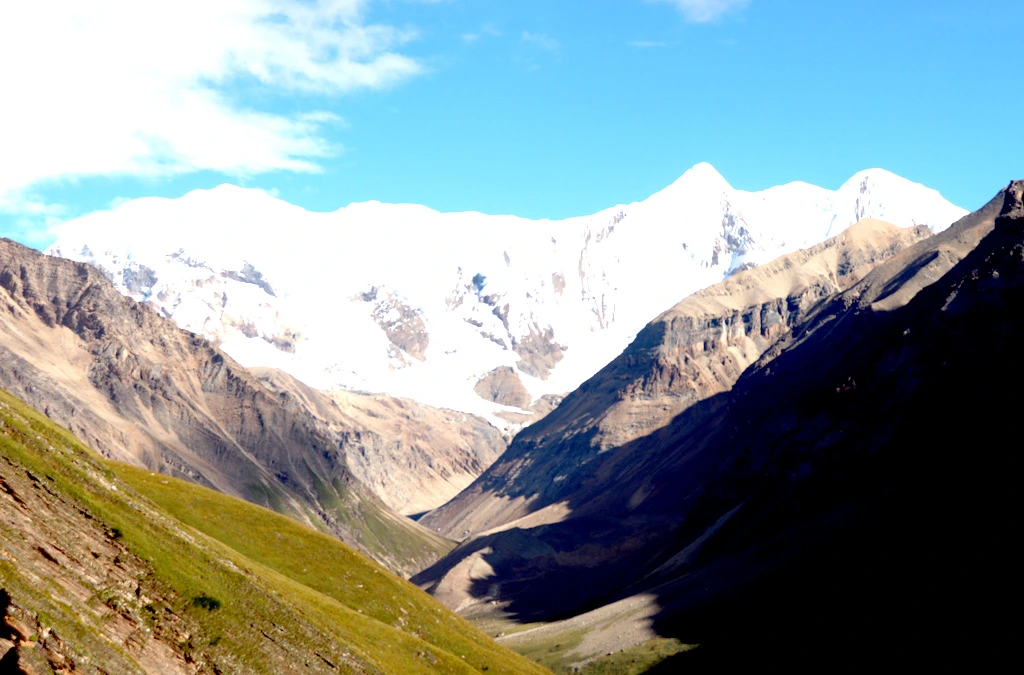
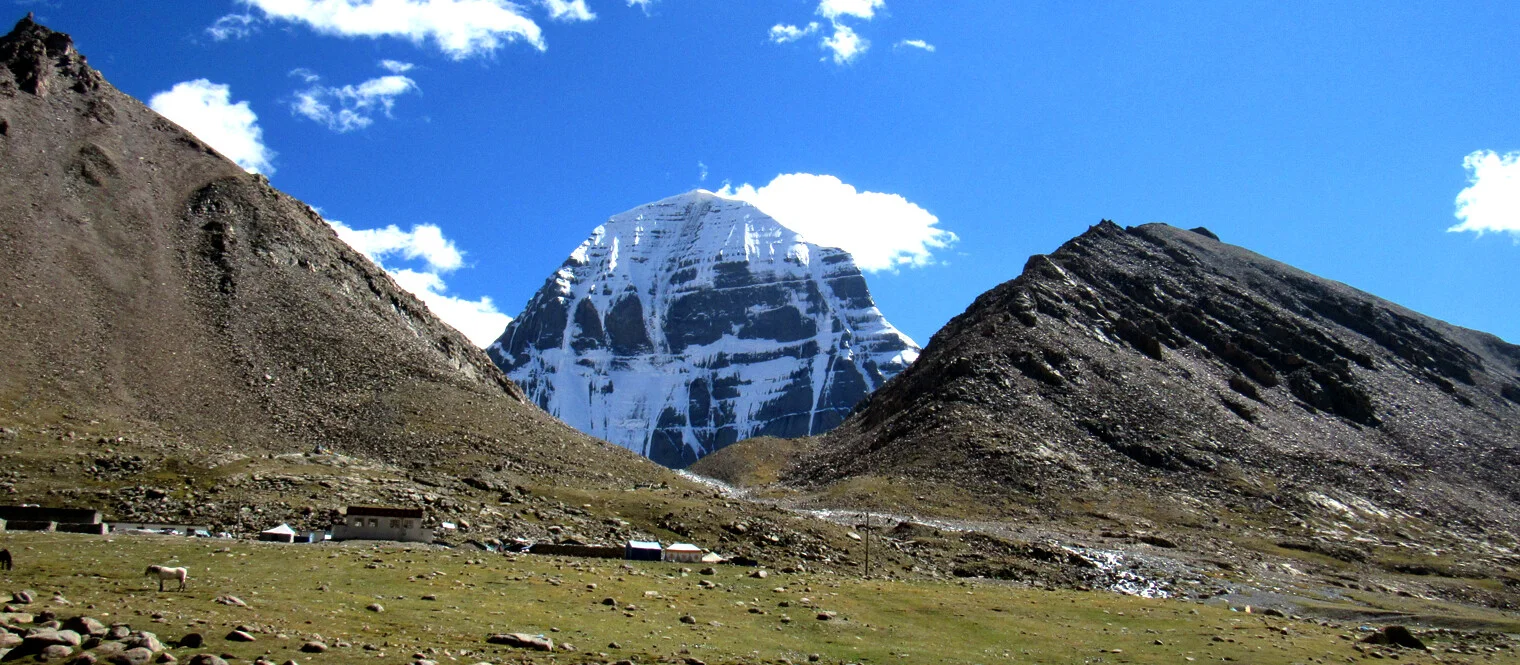
The trek offers stunning vistas of Kanjirowa Himal, Patrasi Himal, and the rugged northern Dolpo landscapes. Jagdulla Lake itself reflects snowy ridgelines and dramatic rock faces, creating a breathtaking alpine panorama. River valleys, deep forests, cliffs, and open meadows add constant visual richness throughout the trek.

Altitude Sickness and Prevention

Altitude sickness can occur as the trail rises above 3,500 meters. Ascend gradually, maintain proper hydration, avoid alcohol, and allow your body time to acclimatize. If symptoms worsen, descending to a lower altitude is the safest action.

Meals and Accommodation

Because this trek passes through extremely remote areas, accommodation will be in tents, supported by an experienced trekking crew. Meals are freshly prepared by your support team, with Nepali staples like dal bhat, soups, vegetable curries, and simple snacks. Although basic, this setup provides a genuine wilderness trekking experience and allows access to regions without permanent teahouses.

Why Choose Jagadamba Holidays for Jagdulla Lake Trek

Jagadamba Holidays specializes in remote trekking routes and ensures your safety, comfort, and cultural immersion. We provide professional guides and porters, manage permits, plan logistics, and organize transportation to and from Dolpa. With strong local knowledge and responsible practices, our team ensures a smooth and enriching trek focused entirely on your experience.

Things You Should Know

The Jagdulla region has limited electricity, no ATMs, and minimal mobile connectivity. Weather in Dolpo can shift quickly, making flexibility important. Respect local customs, dress modestly, and be prepared for simple facilities and long trekking days. Carry extra power banks, warm clothing, and essential personal items.

Best Time to Trek

The ideal seasons are spring (March–June) and autumn (September–November), offering clear skies, stable weather, and comfortable daytime temperatures. Winter brings deep snow and extreme cold, while the monsoon season can make trails muddy and rivers challenging.

Highlights

  • Trekking to the serene and remote Jagdulla Lake in western Nepal
  • Beautiful views of Kanjirowa Himal, Patrasi Himal, and Dolpo highlands
  • Experiencing authentic Magar, Khas, Thakuri, and Tibetan-influenced cultures
  • Walking through pine forests, wild valleys, and untouched alpine meadows
  • Spotting wildlife such as blue sheep, musk deer, Himalayan monal, and rare species

Packing List, Gear, and Equipment

  • Clothing: Base layers, quick-dry shirts, warm fleece, down jacket, waterproof shell, trekking pants, thermal set, gloves, hat
  • Footwear: Strong trekking boots, warm socks, lightweight camp shoes
  • Gear: Sleeping bag (-10°C), 40–50L backpack, daypack, trekking poles
  • Essentials: Headlamp, sunglasses, sunscreen, lip balm, water bottles, purification tablets, first-aid kit, toiletries, power bank, snacks

Jagdulla Lake Trek Cost

Costs typically include a licensed guide, porter support, permits, all meals, tented accommodations, and ground/air transport as per the itinerary. Jagadamba Holidays offers both private and group departures with competitive pricing, high safety standards, and reliable local support.

TRIP HIGHLIGHTS

  • Trek to remote Jagdulla Lake at 4,700 meters with stunning high-mountain scenery. 
  • Walk through pine forests, open grasslands, river valleys, and wild Himalayan ridges.
  • Spot Himalayan wildlife like blue sheep, musk deer, rare birds, and rich natural habitats.
  • Enjoy wide open panoramas of Kanjirowa, Patrasi, and rugged far-west Himalayan peaks. 
  • Experience authentic Magar, Khas, Thakuri, and other traditional highland cultural groups. 
  • Explore remote villages & immerse in local life, deep traditions, rituals, and warm hospitality.
  • Discover crystal-clear streams, waterfalls, canyons, and hidden landscapes of western Nepal. 

Live Weather

Real Tempreture
-10.19 °C
Feels Like
-10.19 °C
Humidity
90%
Cloud
scattered clouds

Travel Itinerary

Arrive in Kathmandu (1,400 m / 4,593 feet), Nepal's vibrant capital, where you'll be warmly welcomed with marigold garlands. After transferring to your hotel, take time to relax and acclimate to the bustling city. Discover vibrant local markets, indulge in traditional Nepali dishes, and delve into Kathmandu's rich cultural tapestry. This initial day is perfect for easing into your journey, setting the stage for the exciting adventures ahead in Eastern Nepal. A representative from Jagadamba Holidays will ensure a smooth and pleasant arrival. 

Optional Evening Activity:
If you wish, you can spend your evening experiencing the Pashupatinath Aarti, a captivating religious ceremony held at the Pashupatinath Temple. The Aarti usually begins around 6:00 PM and lasts for approximately an hour. This ceremony is a mesmerizing display of traditional music and rituals, providing a profound insight into Hindu spiritual practices. Please check the exact time for the Aarti on the day of your visit, as it may vary. This option is not included in the standard itinerary but offers a unique opportunity to immerse yourself in local culture.

Distance : 7 Km
Time : 30 Min
Altitude : 1,400 M
Kathmandu Guest House
None

After a hearty breakfast at your hotel, Kathmandu Guest House in Thamel, Kathmandu (1,400 m / 4,593 ft), proceed to the domestic airport for your scenic 1-hour flight to Nepalgunj (150 m / 492 ft). As the plane ascends, enjoy stunning aerial views of the Kathmandu Valley, rolling hills, and terraced farmland. On clear days, you may spot snow-capped Himalayan peaks including Langtang, Ganesh Himal, Manaslu, and the majestic Dhaulagiri range, along with the distant Dolpo region mountains, offering an early glimpse of the high-altitude adventure ahead.

Upon arrival in Nepalgunj, a vibrant town on the edge of Nepal’s Terai plains, take in its lively markets, bustling streets, and multicultural atmosphere. Known as a gateway to western Nepal, Nepalgunj reflects a blend of Tharu, Nepali, and Muslim cultures, with colorful bazaars and local eateries that provide a taste of the region’s unique lifestyle. Use this leisure time to explore, shop, or sample local delicacies, making it a perfect introduction to the Terai before your trek.

In the evening, return to your accommodation for rest and pre-trek preparation. The Jagadamba Holidays team will assist with all trekking permits and arrangements, while your guide provides a pre-trek briefing, ensuring you are fully prepared, informed, and energized for the journey ahead.

Distance : 9.5 Km
Time : 20 Min
Altitude : 150 M
Kathmandu Guest House
Breakfast

Short Description

Distance : Km
Time : Hr
Altitude : M
Ascending : M
Descending : M
Tented Camps
Breakfast, Lunch, & Dinner

Short Description

Distance : Km
Time : Hr
Altitude : M
Ascending : M
Descending : M
Tented Camps
Breakfast, Lunch, & Dinner

Short Description

Distance : Km
Time : Hr
Altitude : M
Ascending : M
Descending : M
Tented Camps
Breakfast, Lunch, & Dinner

Short Description

Distance : Km
Time : Hr
Altitude : M
Ascending : M
Descending : M
Tented Camps
Breakfast, Lunch, & Dinner

Short Description

Distance : Km
Time : Hr
Altitude : M
Ascending : M
Descending : M
Tented Camps
Breakfast, Lunch, & Dinner

Short Description

Distance : Km
Time : Hr
Altitude : M
Ascending : M
Descending : M
Tented Camps
Breakfast, Lunch, & Dinner

Short Description

Distance : Km
Time : Hr
Altitude : M
Ascending : M
Descending : M
Tented Camps
Breakfast, Lunch, & Dinner

After breakfast, begin your return journey with a scenic morning flight from Jumla Airport to Nepalgunj, enjoying sweeping aerial views of Jumla’s mid-hill landscapes, terraced fields, and traditional villages. This panoramic flight offers a beautiful farewell to the remote wilderness explored during your Jagdulla Lake Trek, highlighting the region’s untouched natural beauty and cultural richness.

Upon arrival in Nepalgunj, proceed to the domestic terminal for your connecting flight to Kathmandu. This short and comfortable journey provides a smooth transition from the warm Terai plains to the vibrant capital city. From above, admire the contrast of fertile lowlands, winding river systems, and distant Himalayan peaks that gradually frame the Kathmandu Valley, creating a scenic end to your Dolpo–Karnali adventure.

Once you land in Kathmandu, transfer to your hotel for rest and relaxation. The remainder of the day allows time to unwind or explore Kathmandu’s cultural attractions, historic sites, and lively streets at your own pace.

This day beautifully combines the tranquillity of remote Jumla with the rich heritage of Kathmandu, offering a memorable and meaningful conclusion to your Jagdulla Lake Trek in Nepal.

Altitude : 1,400 M
Kathmandu Guest House
Breakfast

This contingency day in Kathmandu is built into your trekking itinerary as a safeguard against possible flight delays from Juphal, which are common due to unpredictable Himalayan weather. Including this buffer day provides flexibility, allowing trekkers to manage unforeseen changes without stress and ensuring a smooth journey after trekking in Nepal’s remote regions. By planning extra time, you gain peace of mind and avoid disruption to your international schedule.

If flights operate as scheduled, the buffer day in Kathmandu becomes an excellent chance to unwind after your trek or explore the cultural treasures of the Kathmandu Valley, a UNESCO World Heritage Site. Highlights include Kathmandu Durbar Square, with its palaces, temples, and the Kumari Ghar (home of the living goddess), Swayambhunath Stupa overlooking the city, the sacred Boudhanath Stupa, and Pashupatinath Temple along the Bagmati River. Each site offers unique insight into Nepal’s spiritual and historical heritage.

For a lighter experience, you may stroll through the vibrant streets of Thamel, relax at a spa, or browse the local bazaars for souvenirs. This contingency buffer day not only protects your itinerary from delays but also enriches your Himalayan adventure with options for Kathmandu exploration, cultural tours, or relaxation. Whether adjusting travel schedules or discovering Nepal’s heritage, the day ensures your trek ends on a balanced and memorable note.

Altitude : 1,400 M
Kathmandu Guest House
Breakfast

Concluding Your Journey in Nepal
As your remarkable journey through the Himalayas comes to an end, take a moment to reflect on the awe-inspiring natural beauty, rich cultural heritage, and memorable experiences that have defined your time in Nepal. From the majestic mountain landscapes to the warm hospitality of the local communities, every moment has contributed to an unforgettable adventure.

Airport Transfer by Jagadamba Holidays
To ensure a smooth and timely departure, an official representative from Jagadamba Holidays will collect you from your hotel 3.5 hours prior to your scheduled flight departure. Our team is committed to providing a reliable and comfortable transfer service to Tribhuvan International Airport, allowing you to conclude your journey with peace of mind.

We sincerely appreciate your trust in Jagadamba Holidays and hope to have the pleasure of serving you again on your future journeys.

Distance : 7 Km
Time : 30 Min
Altitude : 1,400 M
None
Breakfast

Have a question? Tap the contact icon to chat with us on WhatsApp. We’re here to help!

 + 9779851082817

Cost Includes Cost Includes

  • All transfers within Nepal are included as per itinerary
  • Any domestic flight of Nepal as per trekking itinerary
  • Trekking accommodation (hotel, lodge and/or tent) as per itinerary
  • Small shared room with shared bathroom during trek in Nepal
  • In Kathmandu and/or Pokhara: Stay at ***Hotel with breakfast
  • Luggage for porters during the trek (12.5 kg/person)
  • 3 meals (Breakfast, Lunch and Dinner) during the trek
  • Unlimited tea or coffee for breakfast during the trek
  • An English speaking guide (trekking/tour) as per Itinerary
  • Travel insurance for trekking staff (guides and porters)
  • All expenses of trekking staff(s) during trekking
  • Conservation/National park entry fees
  • Any special tour/trekking/climbing permits
  • Sightseeing / Wildlife tours if included in the itinerary
  • Farewell dinner in Kathmandu before returning home

Cost Excludes Cost Excludes

  • Single room/single tent surcharge (on request)
  • Round trip/one way international flight ticket to Nepal.
  • Tourist visa for Nepal (30-50 $, depending on length of stay)
  • Personal Insurance (covers: Trip/flight cancellation, helicopter rescue)
  • Meals (lunch, dinner) at hotels in Kathmandu, Pokhara and other cities
  • Gratuity for trekking staff (recommended: 9€ /10$ per traveler per day)
  • Drinks (soft, hot or mineral/boiled water) during the lodge trek
  • Any personal trekking and/climbing equipment for trekking in Nepal
  • Hotel expenses in case of early return from trekking for any reason
  • Costs due to flight cancellations & extra porters/horses during the trek
  • Any additional service and KTM – Lukla helicopter shuttle flight cost
  • Additional costs incurred due to any reason beyond Jagdamba’s control
  • More evidence about pandemics like COVID-19 if needed in the future.
  • Personal expenses during the trek (phone, wifi, shower, charging etc.)
  • Other costs and things that are not mentioned in the service inclusion

Fixed Departure Fixed Departure

# Date Cost Status Action

Route Map Route Map

routemap images

Freqeuntly Asked Questions

The currency of Nepal is officially recognized as the Nepalese Rupee (NPR). Cash is the most commonly used form of payment, especially in remote areas and during treks. ATMs are available in major cities like Kathmandu and Pokhara, but may be limited or unavailable along trekking routes, so it’s best to carry sufficient cash in small denominations when heading into the mountains.

Yes, most visitors from various countries need a visa to enter Nepal. You can obtain a tourist visa upon arrival at Tribhuvan International Airport in Kathmandu or at various land border crossings. Alternatively, you can apply online through Nepal's official immigration website. You can obtain a tourist visa with options for 15, 30, or 90-day stays. Chinese nationals are exempt from the visa fee.

To travel to Nepal, you must have a valid passport with at least six months of remaining validity, a tourist visa (either obtained on arrival or pre-approved), and, in some cases, proof of your travel itinerary. While not mandatory, it is strongly recommended to carry additional supporting documents, such as travel insurance, flight details, hotel bookings, and vaccination records, especially if you're traveling to remote areas or planning trekking activities.

There is no need for mandatory vaccinations to enter Nepal. However, it is advisable to get vaccinated against Hepatitis A and B, Typhoid, Tetanus, and Rabies, especially if you plan to visit remote areas. Additionally, COVID-19 vaccinations may be required based on current regulations, so it is recommended to check the latest travel advisories for Nepal before your departure.

The baggage allowance for domestic flights in Nepal varies depending on the route. For flights to mountain sectors, such as Lukla, Jomsom, and Dolpo, the typical baggage allowance is 10 kg (22 lbs) for checked luggage and 5 kg (11 lbs) for hand luggage. These routes are often used for trekking, so the luggage limits are generally more restrictive. On the other hand, for trunk routes connecting cities like Pokhara, Biratnagar, Bharatpur, Bhadrapur, Nepalgunj, and Janakpur, the allowance is typically higher. These flights allow 20 kg (44 lbs) for checked luggage and 5 kg (11 lbs) for hand luggage. For both types of routes, any excess baggage is subject to an additional charge, which is calculated per kilogram and should be paid directly at the airport.

You will need comprehensive travel insurance that covers high-altitude trekking up to 5,000 meters, including helicopter evacuation. The Jagdulla Lake Trek lies in a remote part of Dolpa District with no road access, so your policy must include emergency medical treatment, search and rescue, repatriation, trip cancellation, and coverage for lost or damaged gear. Choose a provider that clearly states coverage for remote trekking in Nepal. Popular options for high-altitude trekking insurance include World Nomads, Allianz SE, The British Mountaineering Council (BMC), and Cover-More Insurance. Always confirm altitude limits and rescue conditions before purchasing your policy.

Proper preparation is key for a safe and enjoyable trek. Start training physically with cardio, endurance, and practice hikes with a backpack, and break in your trekking boots to avoid blisters. Familiarize yourself with all your gear (backpack, sleeping bag, trekking poles) and test everything. Learn about altitude sickness, stay hydrated, and ascend gradually. Ensure you pack versatile layered clothing, durable waterproof gear, a comprehensive first-aid kit, high-quality sunscreen, a dependable headlamp, and sufficient energy-rich snacks to support long trekking days. For Restricted Areas like Upper Mustang, Manaslu, Tsum Valley, Upper Dolpo, Nar-Phu, Kanchenjunga, or Limi Valley, obtain a Restricted Area Permit (RAP) through a licensed trekking agency, hire a licensed guide, and plan for limited teahouses or camping. Ensure all travel documents and insurance are ready, covering high-altitude trekking, medical emergencies, and evacuation. Carry extra cash and supplies for remote regions. Proper preparation, acclimatization, and awareness of restricted-area rules will make your trek safe, comfortable, and memorable.

Yes, altitude sickness is a common concern for treks above 3,000 meters. To reduce the risk, it is important to ascend slowly, take rest days to allow your body to adjust, drink plenty of water, and avoid alcohol. Your trekking itinerary will typically include rest days to help with acclimatization. Medications like Diamox may help prevent altitude sickness, but it is essential to consult your doctor before traveling to high-altitude destinations or using any medication.

Wild Nepal Treks represent the most remote and untouched trails of the Himalayas—routes that lie beyond the well-known trekking regions of Everest, Annapurna, Langtang, Manaslu, Mustang, Kanchenjunga, Upper Dolpo, Makalu, and Dhaulagiri. These hidden paths capture the raw beauty of Nepal’s wilderness, where nature remains pristine, traditions are deeply rooted, and the spirit of adventure thrives in its purest form. Popular trekking routes in Wild Nepal Treks include some of Nepal’s most remote and less-traveled trails such as the Limi Valley Trek, renowned for its ancient Bonpo culture and sacred landscapes; the Rolwaling Valley Trek, offering dramatic mountain views and spiritual heritage; the Nar Phu Valley Trek, where medieval Tibetan-influenced villages remain hidden beyond the Annapurna range; the Lumba Sumba Pass Trek, connecting the remote Makalu and Kanchenjunga regions through pristine wilderness; the Saribung Pass Trek, a high-altitude adventure linking the isolated valleys of Nar and Mustang; the Terila Pass Trek, an extraordinary route across rugged terrain and untouched trans-Himalayan landscapes; and the Guerilla Trek in mid-western Nepal, which follows historic trails through rural hills and authentic Magar villages. Each of these adventures provides a rare opportunity to experience solitude, cultural depth, and untouched wilderness far beyond Nepal’s mainstream trekking regions. Most of these routes require special permits, camping arrangements, and experienced guides, making them ideal for seasoned trekkers seeking genuine exploration and meaningful cultural encounters. With Jagadamba Holidays, travelers can safely and responsibly explore these uncharted corners of Nepal—embracing the true essence of Wild Nepal Treks.

The best time to trek the Jagdulla Lake Trek is during spring (March–May) and autumn (September–November). These seasons offer stable weather, clear skies, and comfortable temperatures, making the remote Dolpa trails safer and more enjoyable. Trekking in winter brings freezing temperatures and heavy snowfall, while the monsoon season causes rain, muddy trails, and a higher risk of landslides. For the safest and most scenic experience, plan your Jagdulla Lake Trek in spring or autumn.

The Jagdulla Lake Trek is moderate to challenging, mainly because of its remote location, rugged trails, and high altitude of around 4,700 meters. Trekkers should have good fitness and some prior hiking experience. The trek usually takes 10–12 days to complete, depending on your pace, acclimatization, and chosen route.

Temperatures on the Jagdulla Lake Trek vary by season, but high-altitude areas near the lake can drop to -5°C to -10°C at night in spring and autumn. During winter, temperatures can fall below -15°C, especially above 4,000 meters. Daytime temperatures remain milder, but conditions change quickly due to the trek’s remote and windy terrain.

We provide a detailed equipment checklist upon booking your trek. Key essentials include a warm down jacket, thermal layers, a sleeping bag rated to -10°C or lower, trekking boots, headlamp, gloves, hats, trekking poles, and a first aid kit. Many of these items can also be rented or purchased in Kathmandu.

For accurate and reliable maps, Himalayan Map House offers excellent trail maps for all major trekking regions in Nepal. As for guidebooks, "Trekking in the Nepal Himalaya" by Lonely Planet and the Cicerone series of trekking guides are highly recommended. These books provide in-depth route descriptions and valuable cultural context for trekkers.

Most trekking tour packages include an experienced guide, one porter for every two trekkers, necessary permits, domestic flights (such as Kathmandu to Lukla), private land transportation (if applicable), accommodation in teahouses, and three meals per day during the trek. Unlimited tea or coffee is also provided during breakfast. However, drinks (other than tea/coffee at breakfast), bottled water, extra beverages, personal gear, travel insurance, tips, and optional activities are typically not included.

The Jagdulla Lake Trek passes through remote areas, where 3–4 days of trekking toward the lake have no teahouses, requiring tented camps. In the villages along the route, trekkers stay in basic teahouses or lodges offering beds, simple meals, and shared bathrooms. Expect limited facilities, cold nights, and minimal electricity at higher altitudes, making this trek an authentic and immersive Himalayan experience.

During lodge or tented camp trekking in Nepal, trekkers are usually provided with three meals a day. Breakfast and dinner are served at the lodge or teahouse where you stay for the night. Lunch is flexible and can be enjoyed at teahouses or local eateries along the trail, depending on your schedule and what you’ve arranged with your guide.Typical meals include dal bhat (lentils, rice, and vegetables), noodles, pasta, fried rice, soups, eggs, and momos (dumplings). Hot drinks such as tea, coffee, and hot chocolate are widely available throughout the day.In remote areas, such as beyond Hilsa on the Limi Valley Trek, meals may be simpler due to limited supplies, but lodges, homestays, and tented camps still provide warm and nourishing meals. Trekking agencies can usually accommodate special dietary requirements if informed in advance.

Nepalese cuisine is known for its simplicity, freshness, and vibrant flavors. The national dish, dal bhat, consists of lentils, rice, vegetables, and pickles. Other popular dishes include momo (stuffed dumplings), thukpa (noodle soup), sel roti (fried rice doughnut), and a wide range of curries. Vegetarian options are widely available and commonly enjoyed across the country.

Trekkers need a Restricted Area Permit (RAP) for Dolpa District and an entry permit for Shey Phoksundo National Park, as part of the trek passes through the park. Additionally, a Trekkers’ Information Management System (TIMS) Card is required. All permits can be arranged through a licensed trekking agency such as Jagdamba Holidays.

If you are unable to keep up with the group's pace due to fatigue or altitude, your guide will assess the situation and arrange for support, such as walking with an assistant or porter. In more serious cases, the guide may suggest taking rest days, adjusting the route, or, if necessary, organizing an emergency evacuation. The primary concern is your safety and well-being, and your guide will ensure that appropriate steps are taken to address any challenges you may face.

The Jagdulla Lake Trek is a remote and rarely visited route, so you will encounter very few other trekkers along the trail. Most groups are small and travel with local guides. The trek passes through quiet forests, traditional Dolpa villages, and high-altitude meadows, offering a peaceful and immersive Himalayan experience far from the crowded trails of Everest or Annapurna. This solitude allows you to fully enjoy pristine landscapes, panoramic mountain views, and authentic local culture.

On the Jagdulla Lake Trek, trekkers are accompanied by an experienced licensed guide who ensures safety, manages logistics, and provides insights about the local culture, wildlife, and landscapes. Porters are provided to carry personal luggage, usually one porter for every two trekkers. On remote sections, the team may also include assistant guides, cooks, or kitchen helpers to manage tented camps and meals. This support ensures a safe, comfortable, and well-organized trekking experience through the isolated Dolpa region.

The lead guide for the Jagdulla Lake Trek is a licensed professional certified by the Department of Tourism, Nepal. They have completed formal training programs such as the Trekking Guide Training (TGT) offered by institutions like the Nepal Academy of Tourism and Hotel Management (NATHM) or the Nepal Mountain Academy.Their training covers trekking and mountaineering safety, first aid, cultural sensitivity, and environmental awareness. In addition to formal training, lead guides have practical experience, often accumulated over several years of trekking in remote regions of Nepal. They are skilled in managing high-altitude conditions, emergencies, and logistical challenges, ensuring a safe, smooth, and enriching trekking experience in the Limi Valley of Humla.

Guided treks in Nepal usually cost $30–$100 USD per day in non-restricted areas, depending on the level of service, while prices in restricted areas are higher and vary by region, permits, and services booked. Tipping is customary, with around $10 USD per day per trekker being standard, typically split 40% to the guide and 60% among the porters; if more than two porters are hired, the 60% is divided proportionally according to their workload and responsibilities.

To book a trekking tour in Nepal, most agencies require an advance deposit of 10–30% of the total cost. We request a non-refundable deposit of USD 100 per trekker to confirm your booking, along with an additional payment for the required domestic flight ticket (e.g., approximately USD 450 for a round-trip flight to Lukla). This advance deposit secures domestic flights and other necessary logistics. We prefer advance payments via bank transfer, while the final payment can be made in cash, either in convertible currency or foreign currency accepted by Nepal Rastra Bank. Once your booking is confirmed, you will receive a detailed itinerary and a gear checklist to help you prepare for the trek.

Yes, the Jagdulla Lake Trek can be fully customized to match your fitness level, interests, and schedule. You can adjust the trekking pace, extend stays in remote villages, or include cultural visits along the route. Experienced local trekking agencies such as Jagdamba Holidays can design flexible and personalized itineraries, ensuring your journey through the pristine and remote Dolpa region is unique, comfortable, and memorable.

Cancellation and rescheduling policies vary by agency. Jagadamba Holidays offers partial refunds or trip credits for cancellations made in advance. However, permit fees and domestic flight tickets are non-refundable. Rescheduling is possible with prior notice and flexibility on dates. We recommend reviewing our specific cancellation policy before confirming your booking.

Reviews And Rating

How was your experience with us ?