


logo

Jagadamba Holidays is a trusted trekking company in Nepal offering Everest Base Camp and Annapurna treks with expert guides. Plan your adventure today.

Chisapani Nagarkot Dhulikhel Trek

out of 5.0
US$900 US$ 810/pp  
  • 5 Days
  • Nepal
  • Spring and Autumn
  • Hiking
  • 2,215 Meters
  • Easy
  • Jeep / Bus
  • 01-16 People
  • JH#249X

Trip Overview Trip Overview

The Chisapani Nagarkot Dhulikhel Trek is a rewarding short trekking holiday in the eastern hills of the Kathmandu Valley, combining Himalayan mountain views, traditional villages, terraced farmland, forest trails and peaceful countryside. Located within easy reach of Kathmandu, this moderate trek is an excellent choice for travellers who want to experience Nepal's natural beauty and rural lifestyle without travelling to remote mountain regions or undertaking a demanding high-altitude expedition.

The route connects three attractive destinations: Chisapani, Nagarkot and Dhulikhel. Each offers a different experience of the Kathmandu Valley and its surrounding landscapes. From forested hills and quiet mountain settlements to panoramic viewpoints and traditional Newari towns, the journey provides a wonderful introduction to village trekking in Nepal.

Chisapani – Forest Trails and Mountain Scenery

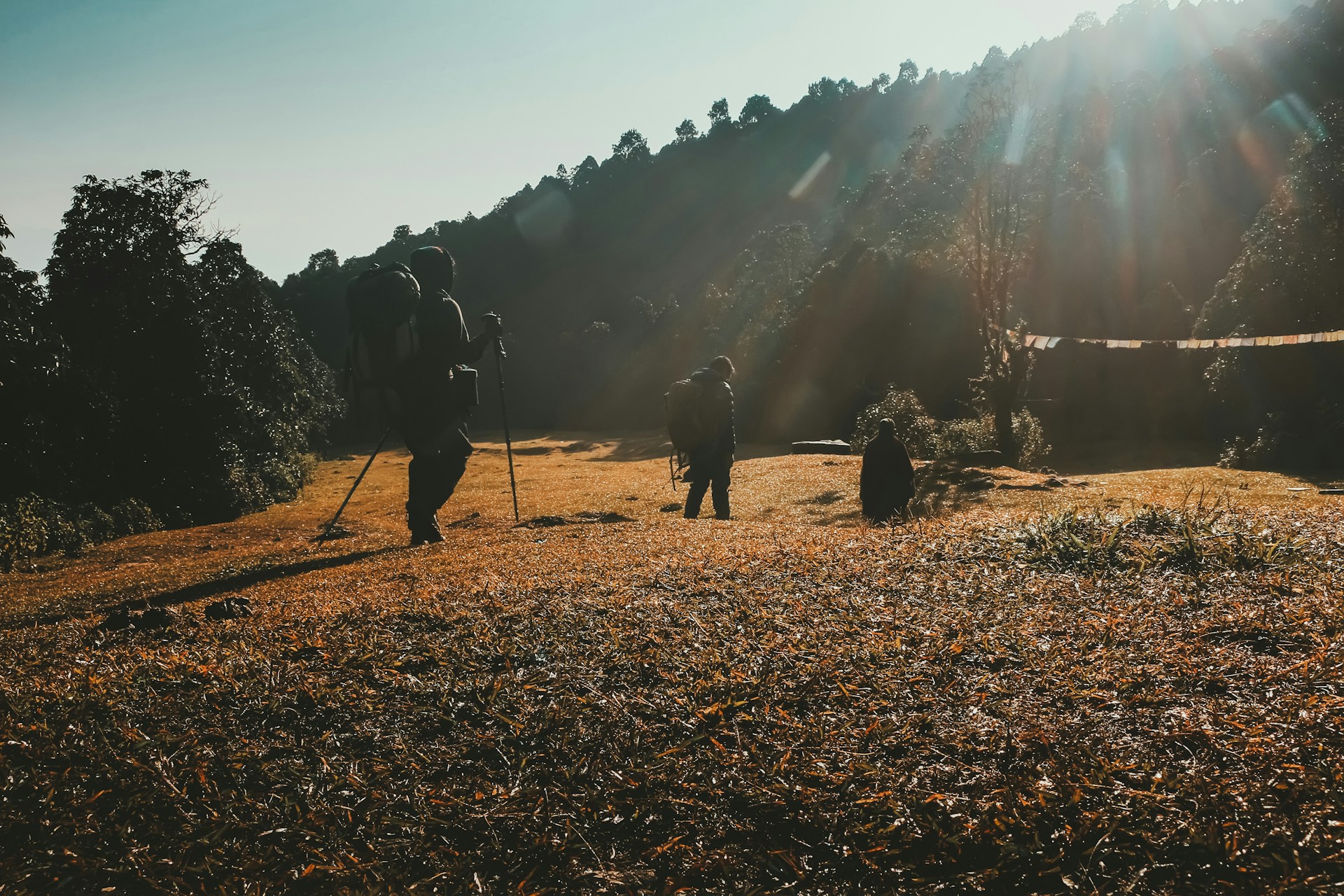
Starting from Sundarijal, on the north-eastern edge of Kathmandu, the walking journey gradually climbs through the Shivapuri area towards Chisapani. The trail passes through forested landscapes, traditional settlements and sections of the Shivapuri watershed. The walking route includes stone steps, natural paths and uphill sections, with occasional openings towards surrounding hills and mountain scenery.

Chisapani is a peaceful hilltop settlement and a pleasant place to spend the night away from the busy city. Its natural surroundings, fresh mountain air and open viewpoints make it a rewarding destination for travellers looking for a short escape into the countryside.

Chisapani to Nagarkot – Scenic Ridge Walking

The walking route from Chisapani towards Nagarkot is one of the highlights of this Kathmandu Valley trekking experience. It combines forest paths, open ridges, village trails and agricultural landscapes. Along the way, walkers pass through traditional settlements, cultivated fields and rural communities where everyday life continues at a relaxed pace.

The changing scenery and mountain viewpoints make this section particularly rewarding for nature lovers, photographers and travellers interested in local culture. The route offers opportunities to enjoy the countryside, observe village life and experience the quieter landscapes surrounding Kathmandu.

Nagarkot – Himalayan Sunrise and Panoramic Views

Nagarkot is one of Nepal's best-known hill stations and a popular destination for Himalayan sunrise and sunset views. Situated on a scenic ridge east of Kathmandu, it offers wide panoramas across the surrounding hills and Himalayan ranges.

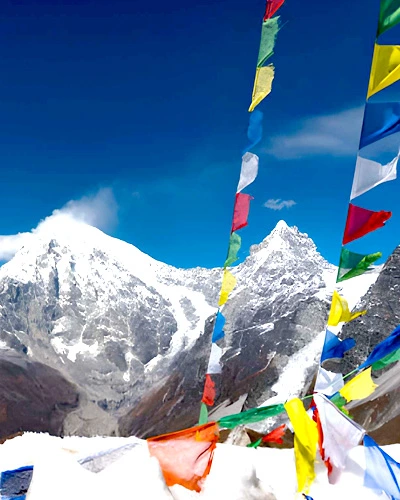
On clear days, visitors may see several mountain peaks, including sections of the Langtang range and other Himalayan landscapes. The peaceful setting, fresh mountain air and spectacular views make Nagarkot an important highlight of this short trekking holiday. Travellers can enjoy a relaxed evening, photograph the surrounding landscapes and experience the beautiful mountain atmosphere.

Nagarkot to Dhulikhel – Countryside and Traditional Villages

From Nagarkot, the journey continues towards Dhulikhel through the eastern countryside of the Kathmandu Valley. Unlike a continuous wilderness trail, this section combines natural walking paths, gravel roads, paved local roads and traditional village routes. The landscape changes between terraced farmland, hillside settlements, open countryside and small rural communities.

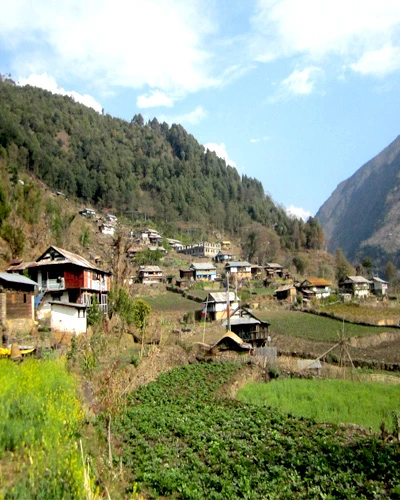
This part of the trek offers a closer look at rural life in Nepal. Travellers can observe traditional houses, local farming activities, cultivated terraces and the daily routines of village communities. The countryside provides a different experience from the busy streets and popular sightseeing areas of Kathmandu.

For visitors interested in photography, village life and cultural encounters, the walking journey towards Dhulikhel offers plenty of opportunities to appreciate the quieter side of the Kathmandu Valley.

Dhulikhel – Newari Heritage and Mountain Views

Dhulikhel is a historic Newari town located on the eastern side of the Kathmandu Valley. Known for its traditional architecture, temples, narrow streets and Himalayan viewpoints, it provides a memorable conclusion to the trekking journey.

Visitors can explore the historic settlement, experience the local atmosphere and appreciate the surrounding mountain scenery. The old town reflects the cultural heritage of the Newar community, with traditional houses, courtyards and religious monuments. It is an ideal place to relax after several days of walking and enjoy the cultural atmosphere of the Kathmandu Valley.

Landscape, Nature and Local Experiences

One of the main attractions of this short trek near Kathmandu is the variety of landscapes within a relatively short distance of the capital. The route passes through forested hills, open ridges, agricultural land, traditional villages and scenic viewpoints. Rather than focusing only on mountain scenery, it combines nature, local culture and everyday rural experiences.

Depending on the season, travellers may encounter flowering vegetation, green agricultural fields, colourful village landscapes and changing countryside scenery. Walking through rural settlements also provides opportunities to observe farming activities, traditional houses, local markets and everyday community life.

Mountain Views and Photography

Mountain scenery is an important attraction along the route. Chisapani and Nagarkot offer attractive viewpoints towards the Himalayan ranges, while the open countryside between Nagarkot and Dhulikhel provides opportunities to photograph traditional villages, terraced farmland and rolling hills.

Nagarkot is especially popular for sunrise and sunset photography. On clear mornings, the mountain panorama can be particularly impressive. Weather and visibility naturally influence the views, so clear mountain scenery cannot be guaranteed throughout the year.

Accommodation and Meals

Accommodation along the route is generally provided in local lodges, guesthouses and available tourist-standard hotels, depending on the overnight location and selected package. Facilities are generally simpler than those found in Kathmandu's city hotels, particularly in smaller trekking settlements.

Meals are available at local accommodation establishments and restaurants. Travellers can enjoy a selection of Nepali and commonly available international dishes, depending on the location. Dal bhat, rice, noodles, vegetables, soups and other locally prepared meals are among the typical choices.

Trekking Difficulty and Fitness

The Chisapani Nagarkot Dhulikhel Trek is considered a moderate walking holiday. It does not involve technical climbing, glaciers or mountaineering equipment. However, some sections require several hours of walking, including uphill and downhill stretches, stone steps and uneven village trails.

Travellers should have a reasonable level of fitness and be comfortable walking for approximately five to six hours on the longer walking days, depending on the itinerary and walking pace. Comfortable trekking shoes with good grip, a small daypack, drinking water and suitable clothing are recommended.

The trek can be enjoyed by couples, families with suitable fitness, small groups and independent travellers. A local trekking guide can help with navigation, local information, cultural interpretation and adjusting the walking pace to suit the group.

Transportation and Accessibility

One of the advantages of this route is its convenient location near Kathmandu. The starting point at Sundarijal can be reached by road from the city, followed by the uphill walking section towards Chisapani. At the end of the trek, Dhulikhel has road connections with Kathmandu, making the return journey convenient.

This accessibility makes the trek suitable for travellers with limited time who want to combine a short trekking experience with a wider Nepal holiday. It can also be arranged before or after longer trekking adventures in the Himalayas.

Best Time to Travel

The Chisapani Nagarkot Dhulikhel Trek is possible throughout the year, with each season offering a different countryside experience.

Spring (March–May): Warmer temperatures, flowering vegetation and green landscapes make this a pleasant season for walking.

Summer and Monsoon (June–September): The countryside becomes lush and green, although rainfall can make some trails muddy and slippery. Cloud cover may also affect mountain visibility.

Autumn (October–November): Generally comfortable walking conditions, pleasant temperatures and excellent mountain visibility make this one of the most popular seasons.

Winter (December–February): Crisp mornings, peaceful trails and clear mountain views on suitable days. Travellers should prepare for colder mornings and evenings, especially in Chisapani.

The trek can be undertaken in all four seasons, although weather conditions, trail surfaces and mountain visibility may vary.

Who Is This Trek Suitable For?

This short trek is ideal for travellers looking for a moderate trekking experience near Kathmandu. It is suitable for visitors who enjoy countryside walks, traditional villages, mountain viewpoints and cultural experiences without committing to a longer Himalayan expedition.

It is also a good choice for first-time visitors to Nepal, couples, families with reasonable walking fitness and travellers wishing to add a few days of outdoor activity to a cultural or sightseeing holiday.

Why Choose This Trek?

The Chisapani Nagarkot Dhulikhel Trek offers a wonderful combination of nature, culture and countryside within easy reach of Nepal's capital. It allows travellers to experience forested hills, open ridges, traditional settlements, Himalayan viewpoints and the historic Newari town of Dhulikhel in one journey.

Whether you are visiting Nepal for the first time, looking for a short trek before or after a longer Himalayan adventure, or simply wishing to explore the quieter countryside around Kathmandu, this route provides a rewarding walking holiday throughout the year.

With its varied landscapes, accessible location and opportunities to experience traditional village life, the Chisapani Nagarkot Dhulikhel Trek is an excellent introduction to trekking in the Kathmandu Valley.

TRIP HIGHLIGHTS

  • Explore the scenic Chisapani Nagarkot Dhulikhel trekking route.
  • Enjoy panoramic Himalayan views from Chisapani and Nagarkot.
  • Walk through peaceful forests, village trails and open ridges.
  • Experience traditional Nepali village life and local hospitality.
  • Witness beautiful Himalayan sunrises and sunsets from Nagarkot.
  • Discover Dhulikhel's historic Newari culture, temples and heritage.
  • Enjoy terraced farmland, green hills and peaceful countryside walks.
  • Experience a moderate short trek near Kathmandu throughout the year.
  • Combine nature, mountain scenery and culture in one Nepal trek.

Live Weather

Real Tempreture
6.11 °C
Feels Like
6.11 °C
Humidity
100%
Cloud
scattered clouds

Travel Itinerary

Arrival in Kathmandu – Airport Pickup and Hotel Transfer

Distance : 7 Km
Time : 45 Min
Altitude : 1,400 M
Kathmandu Guest House
None

Drive to Sundarijal and Trek through Shivapuri National Park to Chisapani
 

10.5

km

Distance

5

h

46

m

Est. time

1,040

m

Elevation gain

290

m

Elevation loss

Distance : 10.5 Km
Time : 5-6 Hr
Altitude : 2,130 M
Ascending : 1,040 M
Descending : 290 M
Hotel Himalayan Vista
Lunch, Dinner & Breakfast

Trek from Chisapani to Nagarkot (2,175 m) through Scenic Village Trails
 

22.9

km

Distance

7

h

4

m

Est. time

680

m

Elevation gain

860

m

Elevation loss

Hard

Difficulty

Distance : 22.9 Km
Time : 7-8 Hr
Altitude : 1,948 M
Ascending : 680 M
Descending : 860 M
Peaceful Cottage & Café du Mont
Lunch, Dinner & Breakfast

Nagarkot to Dhulikhel Trek – Explore the Scenic Dhulikhel Ridge Trails
 

15.4

km

Distance

5

h

5

m

Est. time

550

m

Elevation gain

860

m

Elevation loss

Hard

Difficulty

Distance : 15.4 Km
Time : 5-6 Hr
Altitude : 1,638 M
Ascending : 550 M
Descending : 860 M
Aagantuk Resort
Lunch, Dinner & Breakfast

Drive from Dhulikhel to Kathmandu – Airport Transfer and International Departure
 

25.4

km

Distance

1

h

53

m

Est. time

170

m

Elevation gain

490

m

Elevation loss

Easy

Difficulty

Distance : 25.5 Km
Time : 1.5 -2 Hr
Altitude : 1,400 M
None
Breakfast

Have a question? Tap the contact icon to chat with us on WhatsApp. We’re here to help!

 + 9779851082817

Cost Includes Cost Includes

  • All transfers within Nepal are included as per itinerary
  • Any domestic flight of Nepal as per trekking itinerary
  • Trekking accommodation (hotel, lodge and/or tent) as per itinerary
  • Small shared room with shared bathroom during trek in Nepal
  • In Kathmandu and/or Pokhara: Stay at ***Hotel with breakfast
  • Luggage for porters during the trek (12.5 kg/person)
  • 3 meals (Breakfast, Lunch and Dinner) during the trek
  • Unlimited tea or coffee for breakfast during the trek
  • An English speaking guide (trekking/tour) as per Itinerary
  • Travel insurance for trekking staff (guides and porters)
  • All expenses of trekking staff(s) during trekking
  • Includes all conservation, national park, trekking, and climbing permits
  • Sightseeing / Wildlife tours if included in the itinerary
  • Farewell dinner in Kathmandu before returning home

Cost Excludes Cost Excludes

  • Single room/single tent surcharge (on request)
  • Round trip/one way international flight ticket to Nepal.
  • Tourist visa for Nepal (30-50 $, depending on length of stay)
  • Personal Insurance (covers: Trip/flight cancellation, helicopter rescue)
  • Meals (lunch, dinner) at hotels in Kathmandu, Pokhara and other cities
  • Drinks (soft, hot or mineral/boiled water) during the lodge trek
  • Any personal trekking and/climbing equipment for trekking in Nepal
  • Hotel expenses in case of early return from trekking for any reason
  • Costs due to flight cancellations & extra porters/horses during the trek
  • Additional costs incurred due to any reason beyond Jagdamba’s control
  • More evidence about pandemics like COVID-19 if needed in the future.
  • Personal expenses during the trek (phone, wifi, shower, charging etc.)
  • Other costs and things that are not mentioned in the service inclusion
  • Gratuity for trekking staff (recommended: 9€ /10$ per traveler per day)

Fixed Departure Fixed Departure

# Date Cost Status Action

Route Map Route Map

routemap images

Frequently Asked Questions

The currency of Nepal is officially recognized as the Nepalese Rupee (NPR). Cash is the most commonly used form of payment, especially in remote areas and during treks. ATMs are available in major cities like Kathmandu and Pokhara, but may be limited or unavailable along trekking routes, so it’s best to carry sufficient cash in small denominations when heading into the mountains.

Yes, most visitors from various countries need a visa to enter Nepal. You can obtain a tourist visa upon arrival at Tribhuvan International Airport in Kathmandu or at various land border crossings. Alternatively, you can apply online through Nepal's official immigration website. You can obtain a tourist visa with options for 15, 30, or 90-day stays. Chinese nationals are exempt from the visa fee.

To travel to Nepal, you must have a valid passport with at least six months of remaining validity, a tourist visa (either obtained on arrival or pre-approved), and, in some cases, proof of your travel itinerary. While not mandatory, it is strongly recommended to carry additional supporting documents, such as travel insurance, flight details, hotel bookings, and vaccination records, especially if you're traveling to remote areas or planning trekking activities.

There is no need for mandatory vaccinations to enter Nepal. However, it is advisable to get vaccinated against Hepatitis A and B, Typhoid, Tetanus, and Rabies, especially if you plan to visit remote areas. Additionally, COVID-19 vaccinations may be required based on current regulations, so it is recommended to check the latest travel advisories for Nepal before your departure.

The baggage allowance for domestic flights in Nepal varies depending on the route. For flights to mountain sectors, such as Lukla, Jomsom, and Dolpo, the typical baggage allowance is 10 kg (22 lbs) for checked luggage and 5 kg (11 lbs) for hand luggage. These routes are often used for trekking, so the luggage limits are generally more restrictive. On the other hand, for trunk routes connecting cities like Pokhara, Biratnagar, Bharatpur, Bhadrapur, Nepalgunj, and Janakpur, the allowance is typically higher. These flights allow 20 kg (44 lbs) for checked luggage and 5 kg (11 lbs) for hand luggage. For both types of routes, any excess baggage is subject to an additional charge, which is calculated per kilogram and should be paid directly at the airport.

When trekking to the Langtang Region in Nepal, you need travel insurance that specifically covers high-altitude trekking, up to 5,800 meters. The policy should include emergency medical treatment, helicopter evacuation, search and rescue, and trip cancellations or delays. It’s essential that the insurance covers trekking in remote mountain regions. Top recommended providers include UNIQA Insurance Group, Allianz SE, World Nomads, Cover-More Insurance, and The British Mountaineering Council (BMC). Always confirm that your policy explicitly mentions coverage for high-altitude trekking and helicopter rescue.

Proper preparation is key to ensuring an enjoyable and safe trekking experience. Start by training physically a few weeks in advance, focusing on cardio, endurance, and practicing hiking with a backpack to get used to carrying weight. This will help your body acclimate to the physical demands of the trek. It’s also important to break in your trekking boots before your trip. Wearing them during training hikes will help avoid blisters and discomfort. Familiarize yourself with your trekking gear (backpack, sleeping bag, trekking poles, etc.) and test everything to make sure it’s functional. Educate yourself about altitude sickness and how to prevent it. Learn the symptoms, stay hydrated, and take it slow at higher altitudes to reduce the risk. Make sure you gather the necessary trekking gear, such as layered clothing, waterproof gear, and a first-aid kit. Don’t forget sunscreen and headlamps for the evenings. Lastly, ensure all your travel documents (passport, trekking permits) and insurance are in order. Double-check that your insurance covers high-altitude trekking, medical emergencies, and evacuation.

Yes, altitude sickness is a common concern for treks above 3,000 meters. To reduce the risk, it is important to ascend slowly, take rest days to allow your body to adjust, drink plenty of water, and avoid alcohol. Your trekking itinerary will typically include rest days to help with acclimatization. Medications like Diamox may help prevent altitude sickness, but it is essential to consult your doctor before traveling to high-altitude destinations or using any medication.

The Langtang region offers several scenic and culturally rich trekking routes. The most popular is the Langtang Valley Trek, which takes you through lush forests, traditional Tamang villages, and up to Kyanjin Gompa with stunning mountain views. Other notable routes include the Gosaikunda Trek, leading to sacred alpine lakes, and the Helambu Trek, known for its diverse landscapes and rich Buddhist culture. For a longer adventure, the Langtang-Gosaikunda-Helambu Circuit combines all three routes, offering a comprehensive experience of the region’s natural beauty and cultural heritage.

The best time to trek in the Langtang region is during the spring (March to May) and autumn (September to November) seasons. Spring offers clear skies, pleasant temperatures, and blooming rhododendrons, while autumn provides stable weather, crisp mountain views, and vibrant local festivals. These seasons offer the most comfortable conditions and the best visibility for enjoying the region’s stunning landscapes and cultural highlights.

Ama Yangri Peak Trek Nepal is a short and moderately challenging hike that takes around 3 to 5 days to complete. Reaching a height of 3,771 meters, it offers spectacular views of Langtang, Ganesh Himal, and distant Himalayan peaks. Suitable for trekkers with basic fitness, it requires no prior high-altitude trekking experience and provides a rewarding cultural and scenic escape close to Kathmandu.

Temperatures in the Langtang region vary by season and altitude. During autumn (Sept–Nov) and spring (Mar–May), daytime temperatures range from 10°C to 20°C (50°F to 68°F) at lower elevations, but can drop to -5°C to -10°C (23°F to 14°F) at higher altitudes like Kyanjin Gompa or Tsergo Ri at night. In winter (Dec–Feb), it can get significantly colder, with nighttime temperatures plunging below -15°C (5°F). Proper layering and cold-weather gear are essential, especially if you're trekking above 3,500 meters.

We provide a detailed equipment checklist upon booking your trek. Key essentials include a warm down jacket, thermal layers, a sleeping bag rated to -10°C or lower, trekking boots, headlamp, gloves, hats, trekking poles, and a first aid kit. Many of these items can also be rented or purchased in Kathmandu.

For accurate and reliable maps, Himalayan Map House offers excellent trail maps for all major trekking regions in Nepal. As for guidebooks, "Trekking in the Nepal Himalaya" by Lonely Planet and the Cicerone series of trekking guides are highly recommended. These books provide in-depth route descriptions and valuable cultural context for trekkers.

Most trekking tour packages include an experienced guide, one porter for every two trekkers, necessary permits, domestic flights (such as Kathmandu to Lukla), private land transportation (if applicable), accommodation in teahouses, and three meals per day during the trek. Unlimited tea or coffee is also provided during breakfast. However, drinks (other than tea/coffee at breakfast), bottled water, extra beverages, personal gear, travel insurance, tips, and optional activities are typically not included.

Accommodation on the Langtang trekking routes is primarily in local tea houses—simple lodges run by local families that offer basic rooms, typically with twin beds and shared bathrooms. The facilities improve slightly in popular villages like Syabrubesi, Langtang Village, and Kyanjin Gompa, where some lodges may offer private rooms, attached bathrooms, or even Wi-Fi. While not luxurious, these tea houses provide a warm, welcoming atmosphere, hot meals, and a great chance to connect with local culture and fellow trekkers.

During lodge or teahouse trekking in Nepal, meals are typically provided three times a day. Breakfast and dinner are taken at the teahouse or lodge where you're staying for the night. Common meal options include dal bhat (lentils, rice, and vegetables), noodles, pasta, fried rice, soups, eggs, and momos (dumplings). Tea and coffee are widely available throughout the day. Lunch, however, is flexible. It can be enjoyed at various teahouses or local eateries along the trail, depending on your appetite and what you’ve agreed upon with your guide. If you have any specific dietary restrictions, they can usually be accommodated with prior notice to your trekking agency.

Nepalese cuisine is known for its simplicity, freshness, and vibrant flavors. The national dish, dal bhat, consists of lentils, rice, vegetables, and pickles. Other popular dishes include momo (stuffed dumplings), thukpa (noodle soup), sel roti (fried rice doughnut), and a wide range of curries. Vegetarian options are widely available and commonly enjoyed across the country.

To trek in the Langtang region, you’ll need two essential permits: the Langtang National Park Entry Permit and the Trekker’s Information Management System (TIMS) Card. The Langtang National Park permit is required to enter the protected area and costs around NPR 3,000 (approximately USD 25) per person. The TIMS Card is used to ensure trekker safety and keep track of travelers on the trail. If you're trekking independently, the TIMS Card costs NPR 2,000, but if you’re going with a registered guide or agency, the cost is reduced to NPR 1,000. Both permits can be easily obtained in Kathmandu at the Nepal Tourism Board office or arranged through your trekking agency. It's important to carry these documents with you at all times, as they are checked at various checkpoints along the route.

If you are unable to keep up with the group's pace due to fatigue or altitude, your guide will assess the situation and arrange for support, such as walking with an assistant or porter. In more serious cases, the guide may suggest taking rest days, adjusting the route, or, if necessary, organizing an emergency evacuation. The primary concern is your safety and well-being, and your guide will ensure that appropriate steps are taken to address any challenges you may face.

The Ama Yangri Peak Trek Nepal is notably less crowded than the more popular Langtang Valley Trek, making it ideal for those seeking a quieter and more serene mountain experience. While you may encounter some fellow trekkers during peak seasons like spring and autumn, the trail remains peaceful and uncrowded. Its off-the-beaten-path charm offers the perfect blend of solitude, natural beauty, and cultural richness—without the busyness of more frequented routes.

On the Ama Yangri Peak Trek Nepal, you can expect support staff similar to other major trekking routes in Nepal. This typically includes licensed trekking guides, who provide navigation, cultural insights, and safety support, and porters, who help carry your gear—usually up to 20–25 kg shared between two trekkers. Some organized treks may also include assistant guides for larger groups. Hiring local staff not only enhances your safety and comfort but also supports the local economy and communities along the trail.

The lead guide for the Ama Yangri Peak Trek Nepal is typically a government-licensed trekking guide with extensive experience in the Langtang region. These guides are trained in high-altitude safety, first aid, navigation, and local culture and language, often certified by the Nepal Academy of Tourism and Hotel Management (NATHM) or a similar recognized body. Many have completed multiple treks in the Langtang area and are well-versed in managing acclimatization and emergency situations, ensuring a safe, informative, and enriching trekking experience. If booking through an agency, you can usually request information about your specific guide's background and experience.

Guided treks in Nepal typically cost $30–$100 USD per day, depending on the level of service. Tipping is customary, with $10 USD per day per trekker being a common guideline. Of the total tip, 40% is given to the guide and 60% is shared among the porters. In group treks with more than two porters, this 60% should be divided proportionally based on each porter’s workload and responsibilities.

To book a trekking tour in Nepal, most agencies require an advance deposit of 10–30% of the total cost. We request a non-refundable deposit of USD 100 per trekker to confirm your booking, along with an additional payment for the required domestic flight ticket (e.g., approximately USD 450 for a round-trip flight to Lukla). This advance deposit secures domestic flights and other necessary logistics. We prefer advance payments via bank transfer, while the final payment can be made in cash, either in convertible currency or foreign currency accepted by Nepal Rastra Bank. Once your booking is confirmed, you will receive a detailed itinerary and a gear checklist to help you prepare for the trek.

Yes, it is absolutely possible to customize a Langtang region trekking itinerary to match your preferences, schedule, and fitness level. Whether you want to extend your trek to include Gosaikunda Lakes, Helambu, or additional acclimatization days, most trekking agencies offer flexible options. You can also tailor the trek to include cultural experiences, side hikes like Tsergo Ri, or more relaxed pacing. Custom itineraries are especially useful for families, photographers, or those seeking a more personal trekking experience in the Himalayas.

Cancellation and rescheduling policies vary by agency. Jagadamba Holidays offers partial refunds or trip credits for cancellations made in advance. However, permit fees and domestic flight tickets are non-refundable. Rescheduling is possible with prior notice and flexibility on dates. We recommend reviewing our specific cancellation policy before confirming your booking.

Reviews And Rating

How was your experience with us ?

Related Adventure Trips

Other Himalayan Trips You Might Like